Northern lights in Canada tonight
Yellowknife at 69°N and Churchill at 67°N magnetic latitude sit directly beneath the auroral oval - the same band as Tromsø. Kp 1-2 is enough on a clear night, and Canada's northern territories offer some of the least light-polluted aurora skies on Earth.
How the sky looks right now
Live Kp index from NASA & NOAA, mapped to what it means across Canada.
Low activity expected. Solar conditions are currently quiet. Chances of aurora visibility are low tonight.
How far south the glow reaches
At Kp 1, the auroral oval pushes down to ~76°N - covering every Canada town below.
7-day outlook for Canada
Predicted peak Kp each night, from NOAA's 3-day forecast and the 27-day solar-recurrence model.
Forecasts beyond 3 days are lower confidence - check back nightly as the outlook firms up.
Aurora visibility by town
Each spot lights up at a different Kp threshold thanks to its latitude. It comes down to the clouds.
Yellowknife
69°NAurora capital of North America, on Great Slave Lake.
Dawson City
65°NYukon gold rush town inside the auroral oval.
Churchill
67°NSub-Arctic Manitoba, beneath the auroral oval.
Whitehorse
63°NYukon - dark skies and wilderness lodges.
Edmonton
60°NAlberta - Elk Island Dark Sky Preserve.
Calgary
57°NAlberta - Ghost Reservoir and Kananaskis foothills.
Sudbury
55°NNorthern Ontario - Killarney Provincial Park.
Winnipeg
58°NManitoba prairie capital - Lake Winnipeg dark sky.
Vancouver
54°NBC coast - Golden Ears and Manning Provincial Park.
Thunder Bay
57°NNorthwestern Ontario - Lake Superior north shore.
Nova Scotia
51°NAtlantic Canada - Kejimkujik Dark Sky Preserve.
Quebec City
54°NQuebec - Charlevoix biosphere and Laurentides reserve.
Saint John
52°NNew Brunswick - Fundy Trail Parkway and Fundy National Park.
North Bay
55°NNorthern Ontario - Marten River dark sky, Lake Nipissing.
Banff
58°NRocky Mountains - high-altitude dark sky.
Lake Louise
58°NBanff National Park - Moraine Lake and Icefields Parkway.
Ontario
54°NCanada's most populous province - Killarney and Algonquin dark sky.
Jasper
59°NDark Sky Preserve in the Alberta Rockies.
Prince George
59°NNorthern BC, dark boreal forest.
Tofino
54°NVancouver Island outer coast - Pacific Rim National Park.
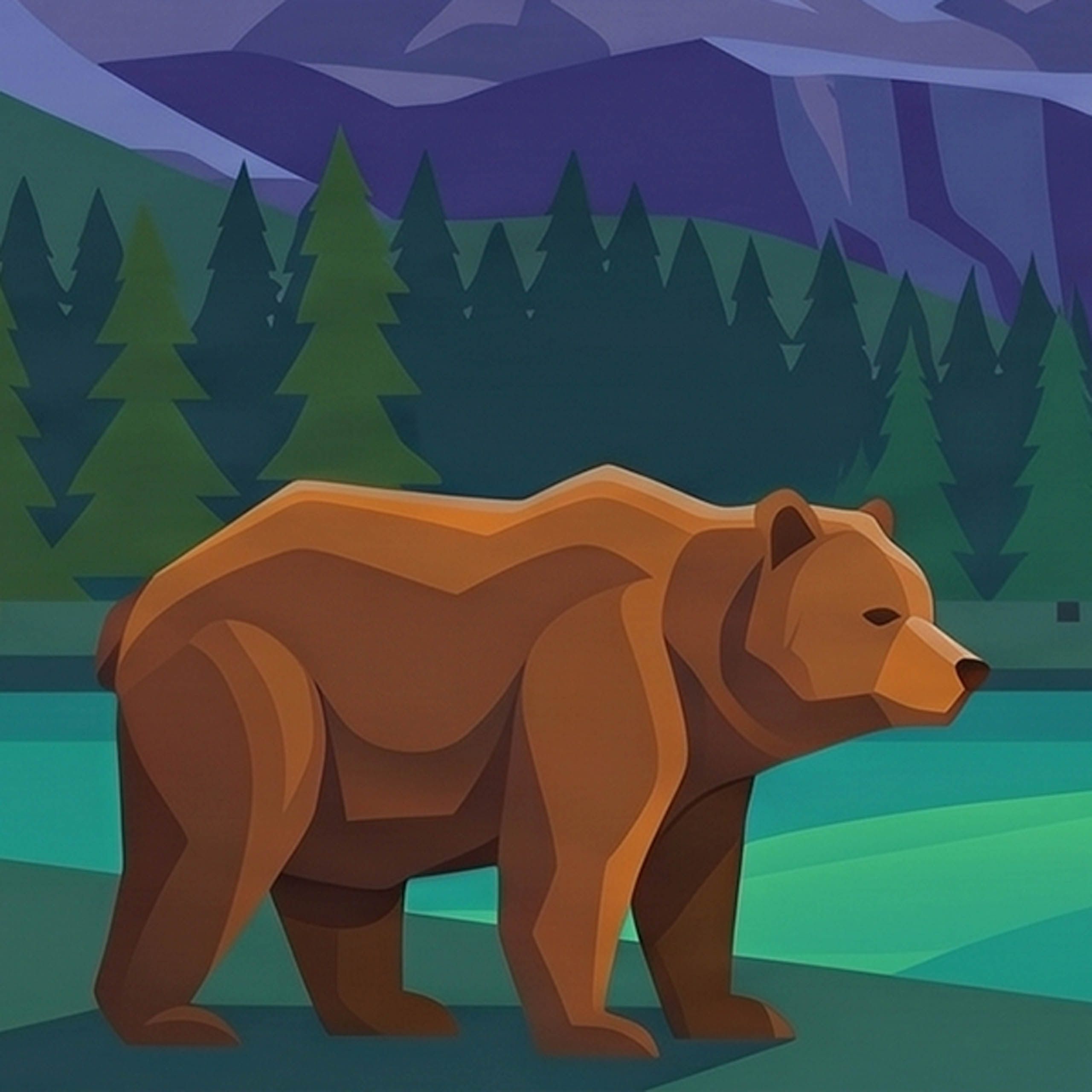
Kodiak the bear's tip: The auroral oval passes directly over the Yukon, Northwest Territories, and Nunavut. On a Kp 2 night, Whitehorse sees aurora overhead. The months to target are September to March - long enough nights combined with the dry, cold air that keeps cloud cover low in the interior.
Three ways to do it
Yellowknife
Sits directly under the auroral oval at 69°N magnetic latitude, on the north shore of Great Slave Lake. Kp 1 produces a display on a clear night, and a well-established lodge industry - heated cabins under the oval - removes most of the guesswork.
Threshold · Kp 1Churchill
A sub-Arctic Manitoba outpost at the same magnetic latitude as Yellowknife, reachable only by rail or air. Aurora season overlaps with polar bear migration in October and November - a pairing found nowhere else.
Threshold · Kp 1Whitehorse
The Yukon capital, set against the St. Elias Mountains, with wilderness lodges positioned away from town lights. The boreal forest and mountain backdrop give a more rugged setting than the flat tundra further east.
Threshold · Kp 2Why Canada stands out
Canada's northern territories sit directly beneath the auroral oval, with Yellowknife at roughly 69°N and Churchill at 67°N magnetic latitude - the same band as Tromsø in Norway. Kp 1-2 is enough for a display on a clear night, among the lowest thresholds anywhere, and the surrounding boreal forest is some of the darkest, least light-polluted land on the planet.
Yellowknife is the benchmark: a city on Great Slave Lake with a mature aurora lodge industry built specifically to put visitors under the oval on heated wilderness sites. Churchill, in Manitoba, shares the same magnetic latitude and adds a season that overlaps with polar bear migration each autumn. The Yukon, reached through Whitehorse, trades some latitude for a more rugged mountain backdrop - the St. Elias range rises behind the boreal forest.
The scale is the real difference from Scandinavia. Canada's wilderness is vastly larger and more remote, with far fewer roads and lodges spread across enormous distances. Inland continental weather in the territories tends to be cold and dry rather than the fast-changing Atlantic systems that bring cloud to Iceland and Norway's coast, which makes clear nights more predictable once you are there.
Compare Canada locations tonight
Pre-filled with Canada's top spots - search 400+ locations worldwide to compare any of them side by side.
Up to 8 locations
How often does the aurora appear in Canada?
Average nights per month the Kp reached Yellowknife's threshold, from 15 years of geomagnetic data (2010–2024).
Counts the Kp threshold only - cloud cover and the brief loss of darkness around midsummer are not included. Continental weather in the territories tends to be more settled than Iceland's Atlantic coast, so clear-sky nights track these counts closely.
Plan your trip to Canada
Best window
The August to April season covers well over 100 potential aurora nights by Kp alone, and the dry continental climate around Yellowknife means a larger share of those nights tend to be clear.
How long to stay
Three or four nights at a dedicated lodge gives a realistic chance of a clear, active night - and most lodges are set up for repeat checks through till dawn.
Related pages
Aurora Locations Worldwide
Global hub for all aurora forecast regions.
Read →Northern Lights Yellowknife Tonight
Yellowknife - aurora capital of North America.
Read →Northern Lights Whitehorse Tonight
Whitehorse - Yukon wilderness lodge aurora.
Read →Northern Lights Alaska
Fairbanks - the closest US equivalent to Yellowknife.
Read →What Is the Kp Index?
How Kp determines aurora visibility at Canadian latitudes.
Read →How to Plan a Northern Lights Trip
Complete planning guide - destination, timing, packing, and expectations.
Read →Northern Lights Canada Guide
Complete travel planning guide - Yellowknife, Yukon, Churchill, and the Rockies.
Read →Aurora photographs from Canada
Real photos sourced from Wikimedia Commons.
 Aurora Borealis - Yellowknife, Canada (5325767130)
  Aurora Borealis - Yellowknife, Canada (5325159067)
  Aurora Borealis - Yellowknife, Canada (5325765642)
  Aurora borealis glowing over La Grande River, Chisasibi, Quebec, Canada (01)
  Aurora borealis glowing over La Grande River, Chisasibi, Quebec, Canada (03)
  Aurora borealis glowing over the boreal forest, Chisasibi, Quebec, Canada (06)
 Guides for visiting Canada
In-depth planning resources for your northern lights trip.
 Travel guide Canada
 Northern Lights Canada Guide
Complete planning - Yellowknife, the Yukon, Churchill, the Rockies, and Kp thresholds.
 Planning All destinations
 How to Plan a Northern Lights Trip
Destination, timing, packing, expectations, and how to read a forecast.
 Science Aurora science
 What Is the Kp Index?
How the planetary index is measured, what the numbers mean, and when to act.
 Travel guide Finland
 Northern Lights Finland Guide
Lapland, glass igloos, timing, and Kp thresholds for a Finnish aurora trip.
 Location Yellowknife
 Northern Lights Yellowknife Tonight
Live forecast for the aurora capital of North America - Kp threshold, cloud, and outlook.
 Travel guide Norway · Iceland
 Northern Lights Cruise Guide
Ship-based aurora viewing from Norway and Iceland - what to expect on board.