Northern lights in UK tonight
The UK sits at 51-61°N magnetic latitude, south of the auroral oval for most of the year. Shetland and Orkney can catch a glow at Kp 2-3, but most of the country needs a moderate to strong storm (Kp 4-7) - and when one arrives, the display can be visible across a much wider stretch of Britain than you would see further north.
How the sky looks right now
Live Kp index from NASA & NOAA, mapped to what it means across UK.
Low activity expected. Solar conditions are currently quiet. Chances of aurora visibility are low tonight.
How far south the glow reaches
At Kp 1, the auroral oval pushes down to ~76°N - covering every UK town below.
7-day outlook for UK
Predicted peak Kp each night, from NOAA's 3-day forecast and the 27-day solar-recurrence model.
Forecasts beyond 3 days are lower confidence - check back nightly as the outlook firms up.
Aurora visibility by town
Each spot lights up at a different Kp threshold thanks to its latitude. It comes down to the clouds.
Shetland Islands
61°NUK's northernmost outpost - closest to the auroral oval.
Orkney Islands
59°NOpen Atlantic horizons and dark, low-lying coastline.
Outer Hebrides
57°NWest-facing beaches with wide sea horizons.
Isle of Lewis
58°NNorthernmost Hebridean island, dark moorland skies.
Ullapool
58°NNorthwest Highlands fishing port, dark sea-loch views.
Inverness
58°NHighland capital, gateway to the Moray Firth coast.
Isle of Skye
57°NDramatic coastline and dark northern headlands.
Fort William
57°NFoot of Ben Nevis, deep glens and loch-side darkness.
Cairngorms
57°NUK Dark Sky Park - Britain's largest national park.
Aberdeen
57°NNortheast coast city, easy access to dark countryside.
Aviemore
57°NCairngorms resort town, low light pollution nearby.
Edinburgh
56°NCapital city - head to the Pentland Hills for dark sky.
Glasgow
55°NScotland's largest city, Galloway Forest within reach.
Galloway Forest
55°NUK's first Dark Sky Park, Bortle Class 2 conditions.
Northern Ireland
54°NAntrim coast and Lough Neagh dark sky sites.
Northumberland
55°NEngland's largest Dark Sky Park, open moorland.
Lake District
54°NFells and lakes - Buttermere and Ennerdale are darkest.
Newcastle
54°NNortheast England, Northumberland coast nearby.
Yorkshire Dales
54°NDark Sky Reserve, limestone valleys and open fells.
Manchester
53°NNorthwest England - Peak District for darker skies.
Snowdonia
53°NEryri Dark Sky Reserve, mountain and coastal views.
London
51°NOnly the strongest storms reach the capital.
Three ways to do it
Shetland Islands
The UK's northernmost inhabited islands, at around 61°N magnetic latitude - closer to the auroral oval than anywhere else in Britain. On nights with a moderate storm (Kp 3-4), Shetland often catches a glow low on the northern horizon when the rest of the country sees nothing.
Threshold · Kp 2-3Scottish Highlands
Inverness and the Cairngorms put you within striking distance of dark moorland and loch-side viewpoints inside an hour's drive. The Cairngorms is a designated Dark Sky Park, and the Moray Firth coast gives open views north over the sea.
Threshold · Kp 3Orkney Islands
Low, treeless landscape and wide Atlantic horizons make Orkney one of the darkest parts of the UK. Its position north of the Scottish mainland gives it a meaningful edge over Highland sites when a storm is forecast.
Threshold · Kp 3Why the UK stands out
The UK sits south of the auroral oval for most of the year, at roughly 51-61°N magnetic latitude depending on where you are. That means aurora here is an occasional treat rather than a nightly event - Kp 4-7 is the realistic range for most of the country, and only Shetland and Orkney regularly get away with Kp 2-3. When a strong geomagnetic storm does arrive, though, the display can be visible across a much wider stretch of the country than anywhere in the Arctic, simply because so many more people are underneath the oval at once.
Scotland is the UK's strongest region for aurora. The Highlands, Hebrides, Orkney and Shetland combine the country's highest magnetic latitudes with some of its darkest skies - the Cairngorms and Galloway Forest are both designated Dark Sky Parks. Northern England and Northern Ireland need a step up in storm strength (Kp 5 or so), but during the G3-G5 storms of May and October 2024, aurora was reported as far south as Cornwall and Kent.
Cloud is the main obstacle. The UK's Atlantic-facing weather brings frequent overcast, especially in the west, and a forecast can change within hours. The practical approach is to watch the Kp forecast for a storm, then check the short-range cloud cover for your nearest dark site - rather than planning a trip purely around the calendar.
Compare UK locations tonight
Pre-filled with UK's top spots - search 400+ locations worldwide to compare any of them side by side.
Up to 8 locations
How often does the aurora appear in UK?
Average nights per month the Kp reached Shetland Islands's threshold, from 15 years of geomagnetic data (2010–2024).
Counts the Kp threshold only at Shetland's latitude - cloud cover, which is frequent across the UK's Atlantic-facing coasts, is not included. Further south, usable nights are fewer still and depend on stronger storms reaching lower latitudes.
Plan your trip to UK
Best window
September to April covers the dark months, but a usable display still depends on a moderate to strong storm arriving on a clear night - there is no guaranteed season here the way there is in the Arctic.
How long to stay
If you live in the UK, there is no need to travel specially - watch the Kp forecast and head to your nearest dark site when a storm is active. Visitors should treat any sighting as a bonus on a wider trip, not the main reason to come.
Related pages
Scotland Aurora Hub
Scotland overview - Shetland to Galloway, live forecast and dark sky guides.
Read →Northern Lights Scotland Tonight
Aurora forecast for Scotland with dark sky sites and current Kp status.
Read →Northern Lights Edinburgh Tonight
Live aurora visibility for Edinburgh and the best nearby dark sites.
Read →Northern Lights Northern Ireland Tonight
Aurora forecast for Northern Ireland with local visibility threshold and dark sites.
Read →Best Time to See Northern Lights UK
Which months, times, and conditions give the best odds across the UK.
Read →What Is the Kp Index?
How Kp determines how far south the aurora reaches.
Read →Aurora photographs from UK
Real photos sourced from Wikimedia Commons.
 Aurora Borealis (geograph 3865407)
  Aurora borealis over Baltasound - geograph.org.uk - 2621033
  Aurora borealis over Baltasound - geograph.org.uk - 2621045
  Aurora borealis over Norwick - geograph.org.uk - 2850421
  Aurora borealis over Hermaness - geograph.org.uk - 3178468
  Aurora borealis over Baltasound - geograph.org.uk - 3624306
 Guides for visiting UK
In-depth planning resources for your northern lights trip.
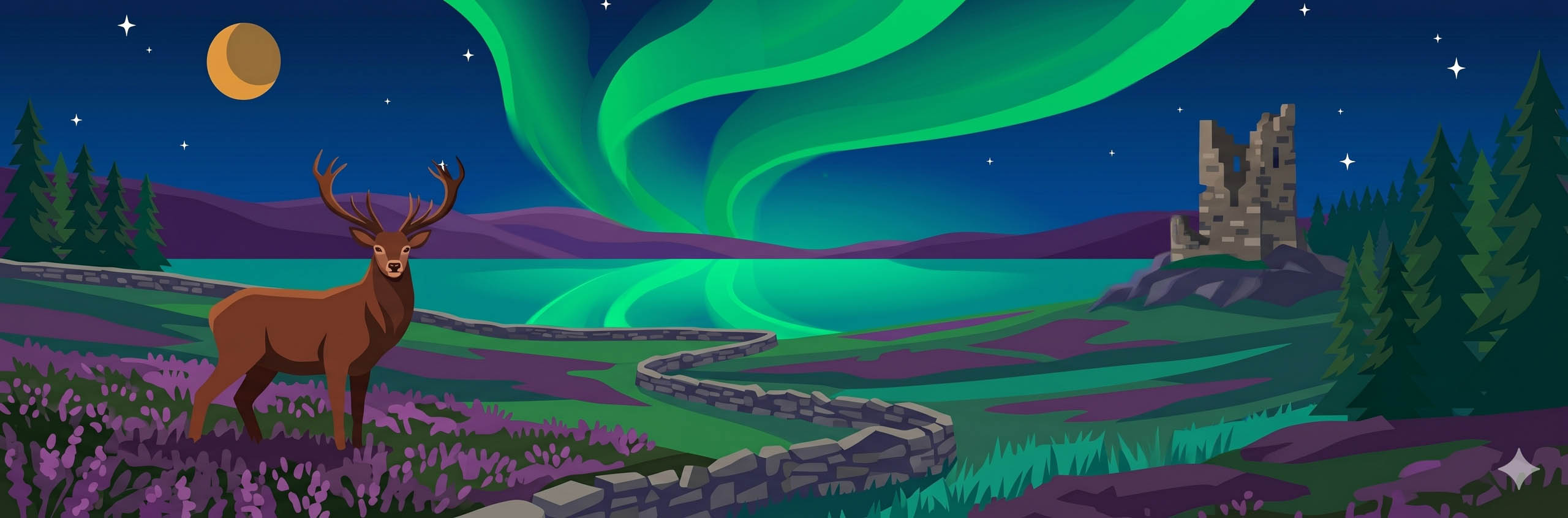 Travel guide Scotland
 Northern Lights Scotland - Complete Travel Guide
Where to go, when to go, and the Kp thresholds for the Highlands and islands.
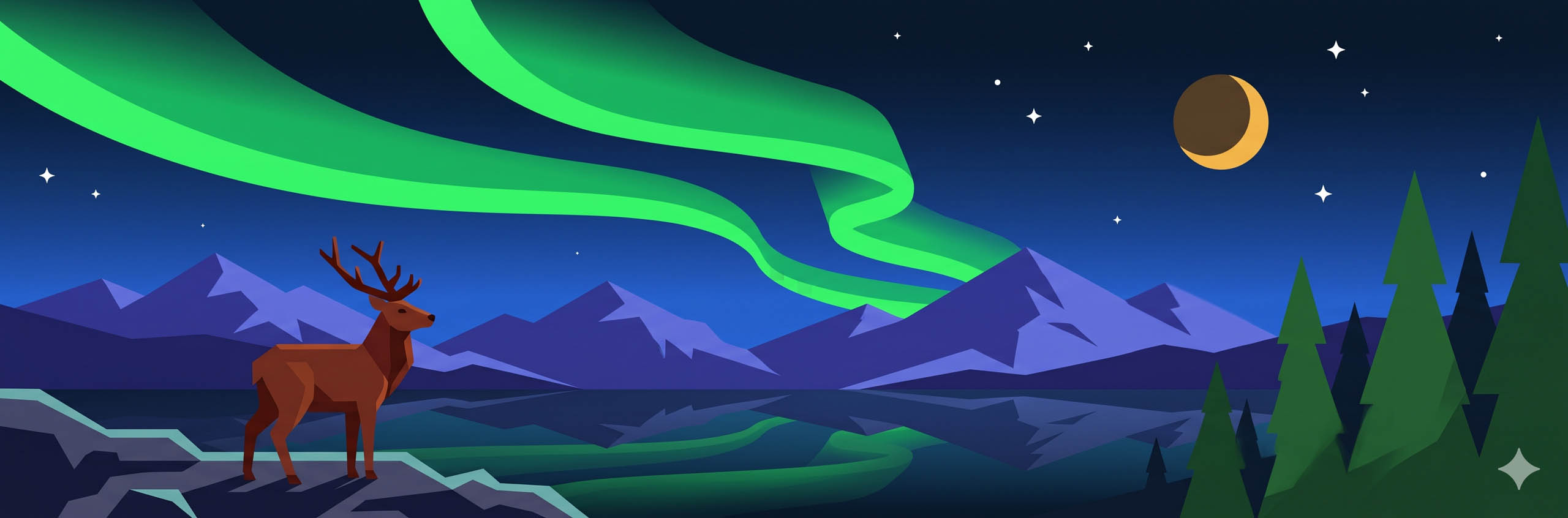 Planning UK
 Best Time to See the Northern Lights in the UK
Months, timing, and the conditions that give the best odds across Britain.
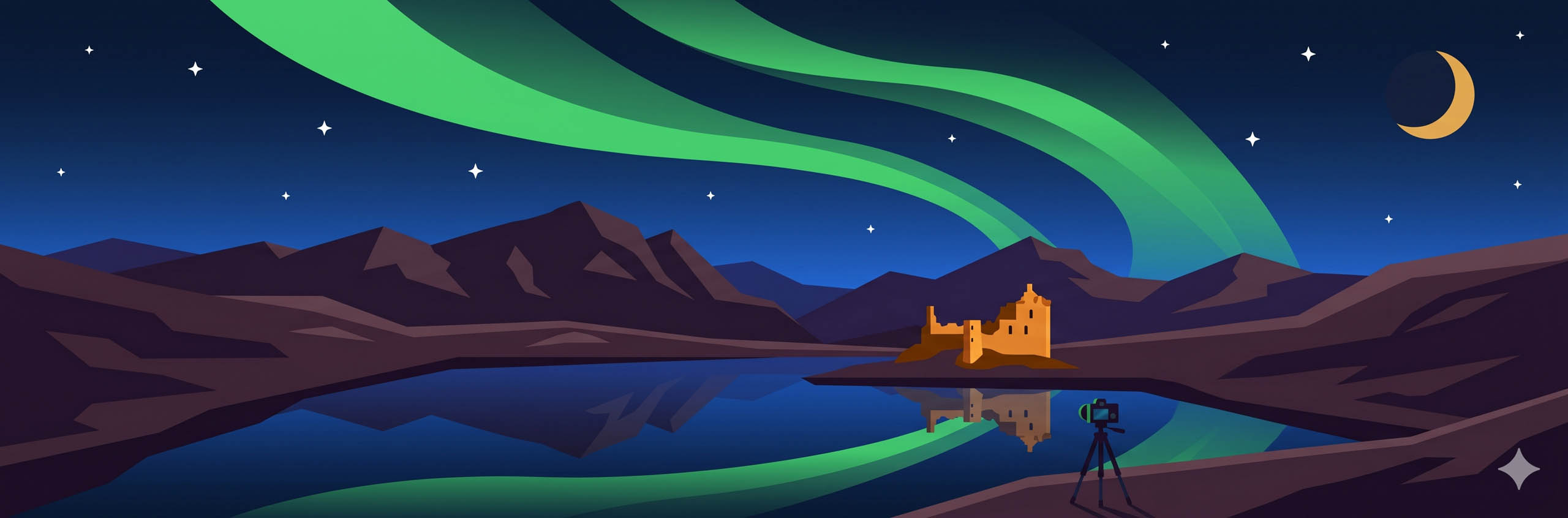 Photography Scotland
 Northern Lights Scotland - Photography Guide
Camera settings and locations for capturing aurora at UK latitudes.
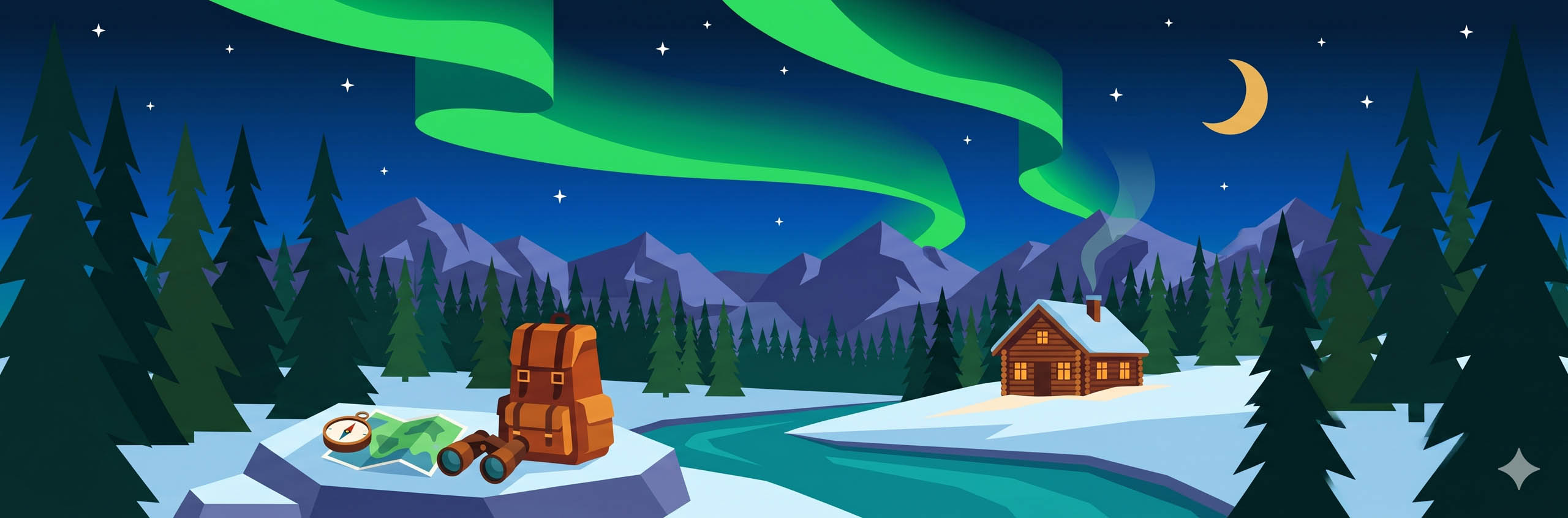 Planning All destinations
 How to Plan a Northern Lights Trip
Destination, timing, packing, expectations, and how to read a forecast.
 Science Aurora science
 What Is the Kp Index?
How the planetary index is measured, what the numbers mean, and when to act.
 Location Inverness
 Northern Lights Inverness Tonight
Live forecast for the Highland capital - Kp threshold, cloud, and outlook.