The four things you need
Kp high enough for your location
Aurora does not reach every latitude during every storm. Scotland needs Kp 3-4. Northern England needs around Kp 5-6. London needs Kp 6+. Check the current Kp on this site before you go anywhere.
Clear sky
Cloud is the single most common reason for a missed aurora. The UK has notoriously variable weather. Check a sky-specific forecast - ClearOutside or Meteoblue are good options - for your specific location, not just the general weather.
Dark site away from light pollution
Light pollution raises the background sky brightness and reduces contrast. Get at least 20-30 minutes by road from any large town. Face north, away from any streetlights. Hilltops, open coastlines, and high moorland all work well.
The right time of night
Between 10 pm and 2 am is the prime window for UK longitudes. This aligns roughly with magnetic midnight - when Earth's geometry is most favourable for auroral activity at your position.
Dark sky sites in the UK
The UK has several officially designated dark sky areas. These are the most reliable locations for aurora watching, combined with low Bortle class skies.
Galloway Forest Park Dark Sky Park
South ScotlandThe UK's first Dark Sky Park. Excellent Bortle 2-3 conditions across a large area, accessible from the central belt and northern England.
Northumberland National Park & Dark Sky Park
Northern EnglandOne of the largest dark sky areas in Europe. Low population density, north-facing moorland, and officially Gold Tier certified by the International Dark-Sky Association.
Snowdonia (Eryri) Dark Sky Reserve
WalesDesignated Dark Sky Reserve covering the whole national park. Good northern horizons from the higher peaks and open valleys.
Brecon Beacons (Bannau Brycheiniog) Dark Sky Reserve
WalesInternational Dark-Sky Reserve. The open moorland plateau gives a clear northern view. Best for Kp 7+ events from Wales.
Exmoor National Park Dark Sky Reserve
South EnglandThe southernmost significant dark sky area in the UK. Only viable during major storms (Kp 8+), but the dark skies are genuine.
Cairngorms National Park
ScotlandNot formally designated but vast, dark, and at the right latitude. Accessible viewpoints on the A9 corridor and north-facing glens give good conditions from Kp 3 upwards.
What to look for
From UK latitudes during moderate activity (Kp 5-6), aurora typically appears as a pale green or whitish arc low on the northern horizon. To the naked eye it often resembles a subtle brightening of the sky rather than the vivid curtains seen in photographs from higher latitudes.
Your eyes dark-adapt after 20-30 minutes away from bright light. During this adaptation, the green-sensitive rod cells in your retina become more active. Aurora that initially seems invisible can become clearly visible after your eyes have adjusted.
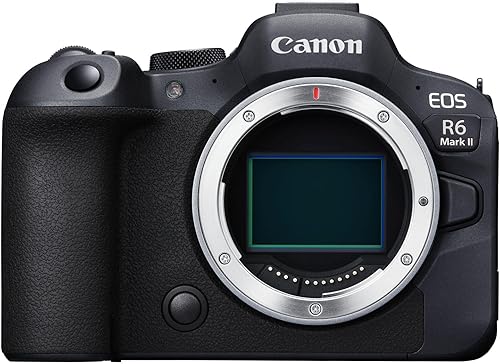
If you are unsure whether what you can see is aurora, take a 10-second exposure with a camera or smartphone. The camera will show clearly whether green is present on the northern horizon. If it does not show on the camera, it is not aurora.
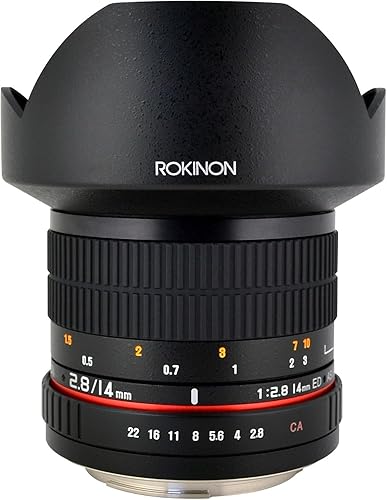
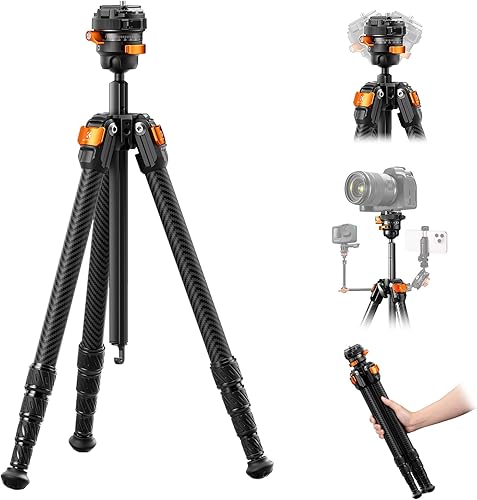
This page contains affiliate links to tour operators and products on Amazon. If you book or buy through one of these links, I may earn a small commission at no extra cost to you. This doesn't influence which operators or products are featured, or what the forecast shows.
Before you go
For a trip abroad, guided tours in Tromsø, Iceland, and Finnish Lapland handle dark sky transport and cloud-chasing by vehicle. Browse aurora tours on Klook to compare operators and rebooking policies before committing to dates.
Useful kit