Aurora australis in New Zealand tonight
The South Island sits at roughly 48-54°S magnetic latitude, among the best-positioned land in the world for aurora australis. Kp 3 is enough from Stewart Island and Kp 4 from Invercargill on a clear night - face south across the open ocean and watch the horizon glow.
How the sky looks right now
Live Kp index from NASA & NOAA, mapped to what it means across New Zealand.
Low activity expected. Solar conditions are currently quiet. Chances of aurora visibility are low tonight.
How far the glow reaches
At Kp 1, the auroral oval reaches ~76°S - covering every New Zealand town within range.
7-day outlook for New Zealand
Tonight shows the live Kp reading. The nights after it show the Kp expected from any coronal mass ejection DONKI predicts will arrive that day, and a quiet baseline of Kp 2 where no arrival is forecast, so tonight's activity does not carry forward. For a longer-range view based on solar rotation, see NOAA's 27-day outlook.
Forecasts beyond 3 days are lower confidence - check back nightly as the outlook firms up.
Aurora visibility by town
Each spot lights up at a different Kp threshold thanks to its latitude. It comes down to the clouds.
Stewart Island
59°SRakiura - NZ's southernmost inhabited island.
Fiordland
53°SMilford Sound, Doubtful Sound, Te Anau.
Lake Tekapo
51°SAoraki Mackenzie Dark Sky Reserve.
Aoraki/Mount Cook Village
51°SNZ's highest peak, Dark Sky Reserve core zone.
Queenstown
53°SRemarkables range - dark sky south of town.
Dunedin
53°SOtago Peninsula south coast.
Wānaka
52°SLone willow tree, Lake Wānaka.
Christchurch
50°SLake Tekapo Dark Sky Reserve nearby.
Invercargill
58°SNZ's southernmost city - Oreti Beach, Bluff.
The Catlins
54°SNugget Point, Curio Bay, Slope Point - rural south coast.
Gore
54°SSouthland - Dolamore Park, Hokonui Hills dark sky.
Te Anau
53°SFiordland gateway - Lake Manapouri, Bortle Class 1-2.
Milford Sound
52°SFiordland - Piopiotahi, Mirror Lakes, Homer Tunnel.
Oamaru
52°SWaitaki Valley - Elephant Rocks, Aoraki Mackenzie DSR.
Timaru
51°SSouth Canterbury - Caroline Bay, Pareora Gorge dark sky.
Kaikōura
49°SMarlborough coast - Ohau Point, Kaikōura Peninsula.
Westport
49°SWest Coast - Cape Foulwind, Punakaiki, Paparoa NP.
Nelson
48°STop of the South - Nelson Lakes NP, Murchison dark sky.
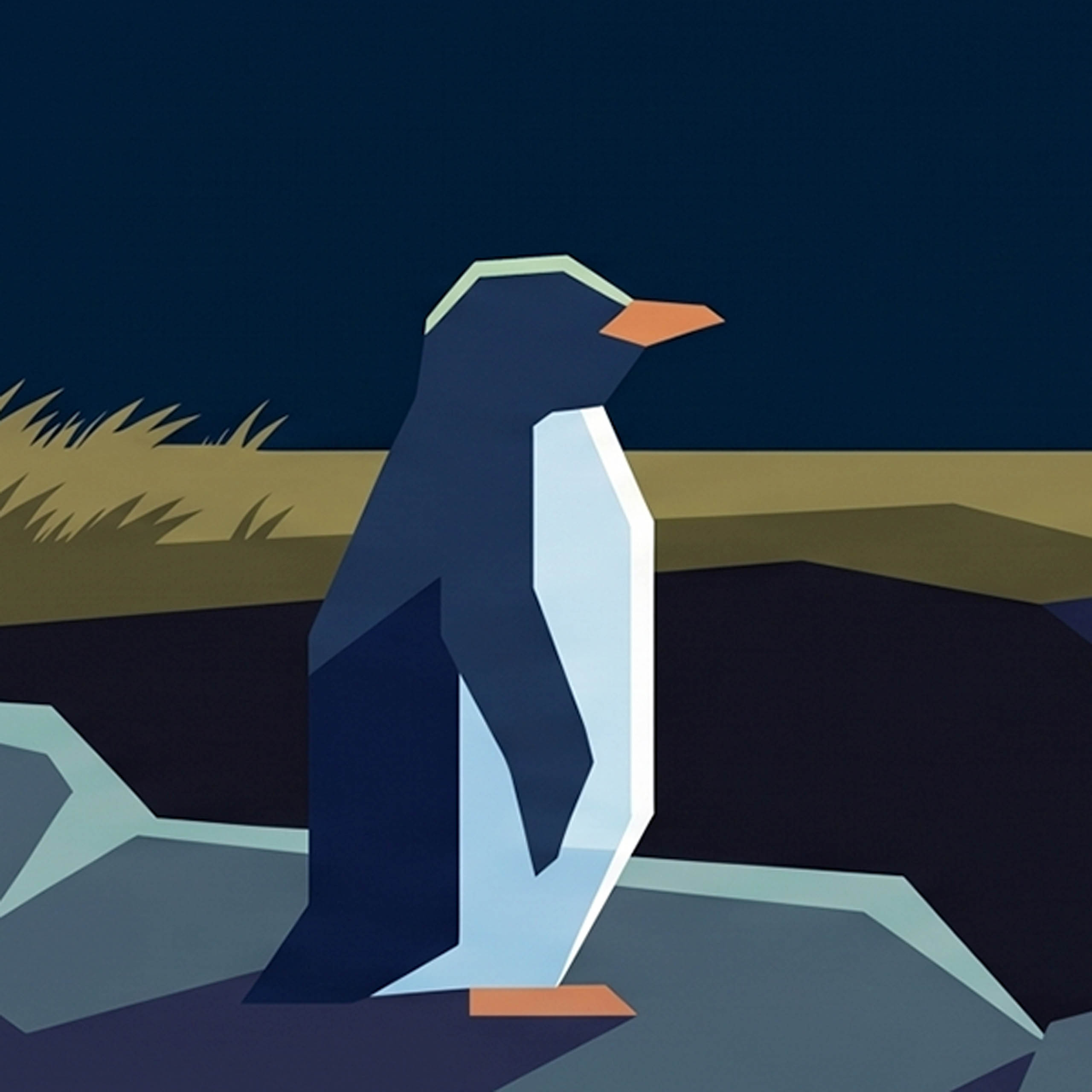
Hemi the penguin's tip: The aurora australis is visible from New Zealand's South Island during G3 storms and above - typically Kp 7 or higher. The Otago Peninsula and Stewart Island are the best locations. Autumn (March to May) brings the longest dark nights, and the equinoctial increase in geomagnetic activity makes March one of the most active months of the year.
Best months for New Zealand (Stewart Island)
September, March and October average the most aurora nights. This latitude keeps usable darkness in every month, so no month counts zero, but the midwinter figures still sit below the equinox peaks. The southern seasons run opposite to the northern calendar. Stewart Island sits far enough south that even the summer nights stay usable, though the West Coast and Fiordland see more cloud than the eastern Otago coast.
Three ways to do it
Stewart Island
Rakiura, New Zealand's southernmost inhabited island, sits at 59°S magnetic latitude - the lowest aurora threshold anywhere in the country. South-facing beaches with almost no light pollution put the island among the most accessible aurora australis spots on Earth.
Threshold · Kp 3Invercargill
New Zealand's southernmost city, with Oreti Beach and Bluff giving open ocean horizons to the south within a short drive. At 54°S magnetic latitude, Invercargill needs only Kp 4 - making it a practical base for repeat attempts.
Threshold · Kp 3Dunedin
The Otago Peninsula's south coast faces the Southern Ocean with minimal urban glow nearby, and Dunedin combines a 53°S magnetic latitude with the comforts of a city base - good food, easy flights, and a short drive to a dark horizon.
Threshold · Kp 4Why the South Island stands out
Aurora australis follows the same rules as its northern counterpart, just centred on the south magnetic pole rather than the north. The display expands outward from that pole as geomagnetic activity rises, and the Kp index - a 0-9 scale of that activity, updated every three hours - sets how far north it reaches. New Zealand's South Island sits at 48-54°S magnetic latitude, which makes it one of the most accessible places on the planet to see the southern lights: Stewart Island needs only Kp 3 and Invercargill Kp 4, a threshold reached several times a month even in a quiet solar year.
Stewart Island, reached by ferry or short flight from Invercargill, has open south-facing beaches and almost no artificial light. Dunedin and the Otago Peninsula combine a low threshold with city comforts - a dark horizon is a short drive away. Lake Tekapo, inside the Aoraki Mackenzie International Dark Sky Reserve, offers some of the darkest skies in the southern hemisphere at a latitude where aurora is genuinely possible, though its higher 56°S threshold means it needs a stronger storm than the far south.
The one habit to unlearn if you are used to chasing the northern lights: look south, not north. Everything else - the Kp scale, the three-hour update cycle, the storm classifications from G1 to G5 - works exactly the same. The season is also reversed from the European aurora calendar: New Zealand's long, dark nights run from roughly May through September, the southern autumn and winter, not the northern hemisphere's October-to-March window.
Compare New Zealand locations tonight
Pre-filled with New Zealand's top spots - search 369 countries and towns worldwide to compare any of them side by side.
Up to 8 locations
How often does the aurora appear in New Zealand?
Average nights per month the Kp reached Stewart Island's threshold, from 15 years of geomagnetic data (2010–2024).
Counts the Kp threshold only at Stewart Island's latitude - cloud cover is not included, and the West Coast and Fiordland see more cloud than the eastern Otago coast. Stewart Island sits far enough south to keep usable darkness all year, so every month counts; March and September lead on geomagnetic activity.
Plan your trip to New Zealand
Best window
May to September covers the dark-night season on the South Island - by Kp 3 alone that is well over 70 potential aurora nights at Stewart Island, the highest count of any destination this site covers.
How long to stay
Stewart Island and the Otago coast see more cloud-free nights than Iceland or Norway in their respective seasons, but allow at least three nights to give a clear, active night the chance to line up.
Related pages
Aurora Australis
What aurora australis is and how to see it.
Read →Aurora Locations Worldwide
Global hub for all aurora forecast regions.
Read →Aurora Australis Stewart Island
Stewart Island - NZ's lowest Kp threshold at 59°S.
Read →Aurora Australis Queenstown
Queenstown - Remarkables dark sky, Kp 5.
Read →What Is the Kp Index?
How the Kp scale works and why it applies to aurora australis.
Read →New Zealand Aurora Australis Guide
Lake Tekapo, Fiordland, Stewart Island, and Wānaka - where to see aurora australis in New Zealand.
Read →Aurora photographs from New Zealand
Real photos sourced from Wikimedia Commons.
 Aurora Australis south of Australia
  Aurora australis from Auckland 20240511 205854
  Aurora australis from Titirangi 20240511 234948
  May 2024 Aurora Australis in Wellington
  Aurora in Auckland, New Zealand 11 May 2024
  Aurora in Auckland New Zealand 11 May 2024 (53719165192)
 Guides for visiting New Zealand
In-depth planning resources for your northern lights trip.
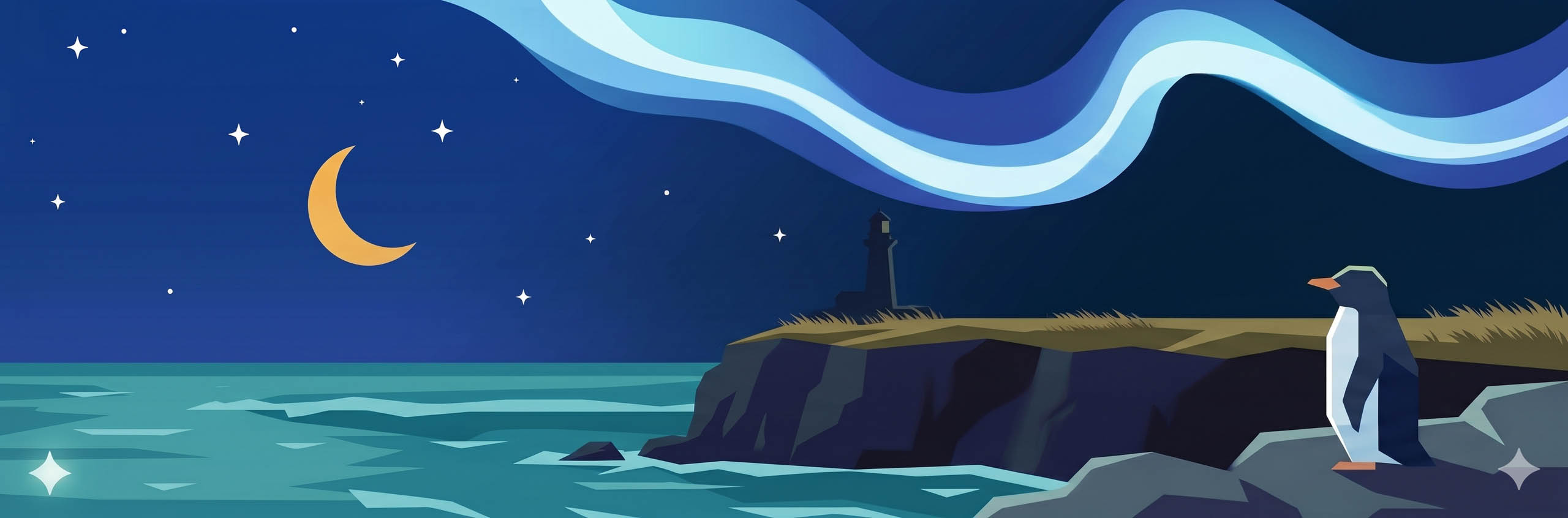 Travel guide New Zealand
 New Zealand Aurora Australis Guide
Lake Tekapo, Fiordland, Stewart Island, and Wānaka - where to see aurora australis in New Zealand.
 Comparison Aurora science
 Aurora Australis vs Aurora Borealis
How the southern lights differ from their northern counterpart - and what stays the same.
 Planning All destinations
 How to Plan a Northern Lights Trip
Destination, timing, packing, expectations, and how to read a forecast.
 Science Aurora science
 What Is the Kp Index?
How the planetary index is measured, what the numbers mean, and when to act.
 Location Stewart Island
 Aurora Australis Stewart Island Tonight
Live forecast for Rakiura - New Zealand's lowest aurora threshold, Kp threshold, cloud, and outlook.
 Travel guide Australia
 Aurora Australis in Australia - Where to See It
Tasmania leads for aurora australis - Cradle Mountain, Hobart, and the south coast.