Northern lights in Australia tonight
Tasmania sits at roughly 54°S magnetic latitude, Australia's best-placed region for aurora australis. Kp 5 is enough from Hobart and the south coast on a clear night - face south across the Southern Ocean and the display builds low on the horizon.
How the sky looks right now
Live Kp index from NASA & NOAA, mapped to what it means across Australia.
Low activity expected. Solar conditions are currently quiet. Chances of aurora visibility are low tonight.
How far south the glow reaches
At Kp 1, the auroral oval pushes down to ~76°N - covering every Australia town below.
7-day outlook for Australia
Predicted peak Kp each night, from NOAA's 3-day forecast and the 27-day solar-recurrence model.
Forecasts beyond 3 days are lower confidence - check back nightly as the outlook firms up.
Aurora visibility by town
Each spot lights up at a different Kp threshold thanks to its latitude. It comes down to the clouds.
Tasmania
54°NState hub - Hobart, Cradle Mountain, Launceston.
Victoria
50°NState hub - Wilsons Promontory, Great Ocean Road, Alps.
South Australia
49°NState hub - Coorong, Limestone Coast, Fleurieu Peninsula.
Western Australia
47°NState hub - Albany, Esperance, Fitzgerald River NP.
New South Wales
45°NState hub - Eden, Sapphire Coast, Kosciuszko.
Hobart
54°NTasmania - South Arm, Bruny Island, Cockle Creek.
Cradle Mountain
54°NDove Lake, Tasmanian Wilderness World Heritage Area.
Launceston
52°NNorthern Tasmania - Ben Lomond alpine dark sky.
Devonport
52°NNorth Tasmania - Cradle Mountain 90 minutes away, Leven Canyon.
Strahan
53°NWest Tasmania - Ocean Beach, Bortle Class 1-2.
St Helens
52°NNortheast Tasmania - Bay of Fires, Mount William NP.
Bruny Island
53°NTasmania - Cloudy Bay, Cape Bruny, Southern Ocean.
Dover
53°NSouthernmost Tasmania - Cockle Creek, Bortle Class 1.
Mount Gambier
51°NSouth Australia - Canunda NP south coast.
Falls Creek
50°NVictorian Alps - Bogong High Plains at 1600 m.
Kangaroo Island
42°NSouth Australia - Remarkable Rocks, south coast dark sky.
Melbourne
48°NPoint Nepean and Wilson's Promontory.
Ballarat
46°NVictoria - Creswick and Pyrenees dark sky.
Warrnambool
47°NVictoria - Cape Otway lighthouse, Twelve Apostles.
Bairnsdale
46°NEast Gippsland - Croajingolong NP, Mallacoota.
Albany
48°NWA - Torndirrup NP, Bald Head, Southern Ocean.
Esperance
48°NWA - Cape Le Grand NP, Lucky Bay, Bortle Class 2.
Port Lincoln
47°NSA - Lincoln NP, Coffin Bay, Eyre Peninsula.
Ceduna
47°NSA - Nullarbor Plain, Head of Bight, Bortle Class 1-2.
Sydney
42°NNSW - Royal National Park coast, Kp 7+ needed.
Adelaide
47°NSA - Fleurieu Peninsula and Kangaroo Island, Kp 6+.
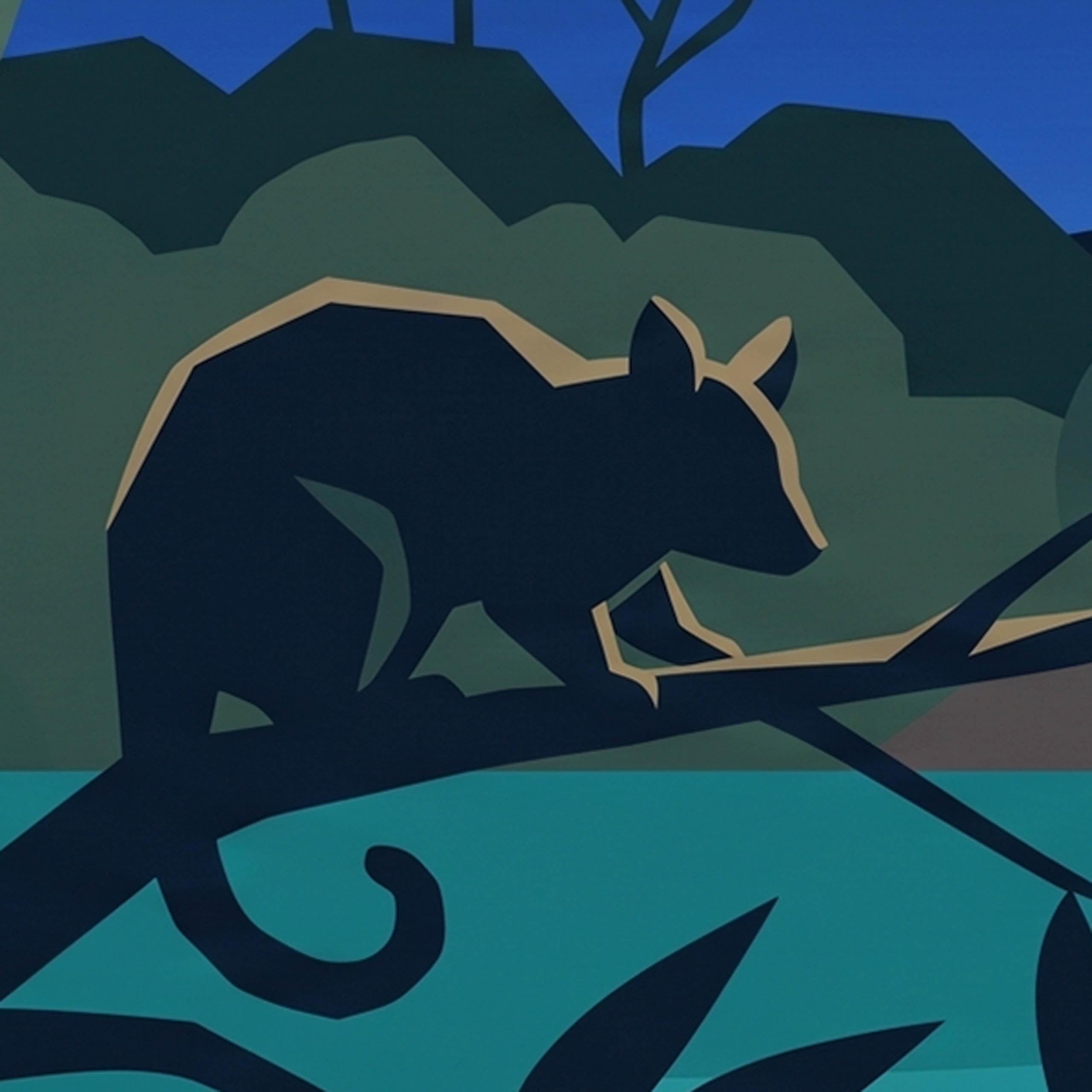
Banjo the possum's tip: From mainland Australia, only the far south - Tasmania and coastal Victoria - sees the aurora australis with any regularity. You need a G3 storm or stronger, which means Kp 7 or above. Tasmania's Cockle Creek and Cape Bruny face south with minimal light pollution and are worth knowing. Arrivals of X-class solar flares followed by CME impacts 1-3 days later are the events to watch for.
Best months for Australia
Australia's aurora season runs opposite to the northern lights calendar: the long, dark nights fall from April to September - the southern autumn, winter and spring - with September's equinox and the June-July midwinter darkness giving the strongest combination of activity and night length.
Three ways to do it
Hobart
At 54°S magnetic latitude, Hobart has the lowest aurora threshold of any Australian city - on par with Christchurch in New Zealand. South Arm Peninsula and Bruny Island, both a short drive from the city, give south-facing dark sky over the Southern Ocean.
Threshold · Kp 5Bruny Island
A short ferry ride from Kettering, Bruny Island's south coast faces directly across open ocean toward Antarctica with almost no light pollution. Cloudy Bay and Cape Bruny are the spots locals head to when a storm is forecast.
Threshold · Kp 3Dover
Australia's southernmost town, with Cockle Creek and the Southern Ocean coastline beyond it giving Bortle Class 1 skies. Being further south than Hobart, Dover has the country's best-positioned magnetic latitude for aurora australis.
Threshold · Kp 3Why Tasmania stands out
Aurora australis works on the same physics as the northern lights, just mirrored at the opposite end of the planet. The display forms in a ring around the south magnetic pole, and how far that ring expands northward depends on the Kp index - a 0-9 scale of geomagnetic activity. Because most of mainland Australia sits a long way from the south magnetic pole, the Kp threshold here is higher than in Norway or Iceland. Tasmania, at 54°S magnetic latitude, needs Kp 5 - the lowest bar anywhere in the country.
Hobart and the south coast of Tasmania - South Arm, Bruny Island, Cockle Creek - face the Southern Ocean with an open horizon toward Antarctica and minimal light pollution. On the mainland, Wilson's Promontory in Victoria is the southernmost point and the best-placed dark site, though it still needs Kp 6-7. Melbourne and Sydney only see aurora during the rare G4-G5 storms, as happened in May 2024 when the display was photographed across Tasmania, southern Victoria and even from Sydney's outskirts.
The season here runs opposite to what visitors from the northern hemisphere expect. Australia's long, dark nights fall in autumn through spring (April to September), while December to February - the southern summer - has nights too short for useful darkness at these latitudes. Plan a Tasmania trip for the cooler months and face south, not north.
Compare Australia locations tonight
Pre-filled with Australia's top spots - search 400+ locations worldwide to compare any of them side by side.
Up to 8 locations
How often does the aurora appear in Australia?
Average nights per month the Kp reached Hobart's threshold, from 15 years of geomagnetic data (2010–2024).
Counts the Kp threshold only at Hobart's latitude - cloud cover is not included, and Tasmania's exposed south coast sees more changeable weather than these counts alone suggest. Southern hemisphere summer (December-February) brings short nights and almost no useful darkness.
Plan your trip to Australia
Best window
April to September covers the dark-night season in Tasmania - by Kp alone that is around 60 potential aurora nights, though Southern Ocean cloud will reduce the realistic, clear-sky total.
How long to stay
Kp 5 storms are less frequent than the Kp 2-3 events that light up Iceland or Norway, so allow at least three or four nights in Tasmania to improve your odds of catching an active night with clear skies.
Related pages
Aurora Australis
Southern lights hub - Kp forecast and all southern hemisphere locations.
Read →Aurora Australis New Zealand
New Zealand aurora hub - lower thresholds than mainland Australia.
Read →Aurora Australis Hobart Tonight
Hobart, Tasmania - Australia's lowest aurora threshold at 54°S.
Read →What Is the Kp Index?
How the Kp scale works and why latitude sets the threshold.
Read →Aurora Locations Worldwide
Global aurora forecast hub.
Read →Aurora Australis in Australia - Where to See It
Tasmania leads for aurora australis - Cradle Mountain, Hobart, and the south coast.
Read →Aurora photographs from Australia
Real photos sourced from Wikimedia Commons.
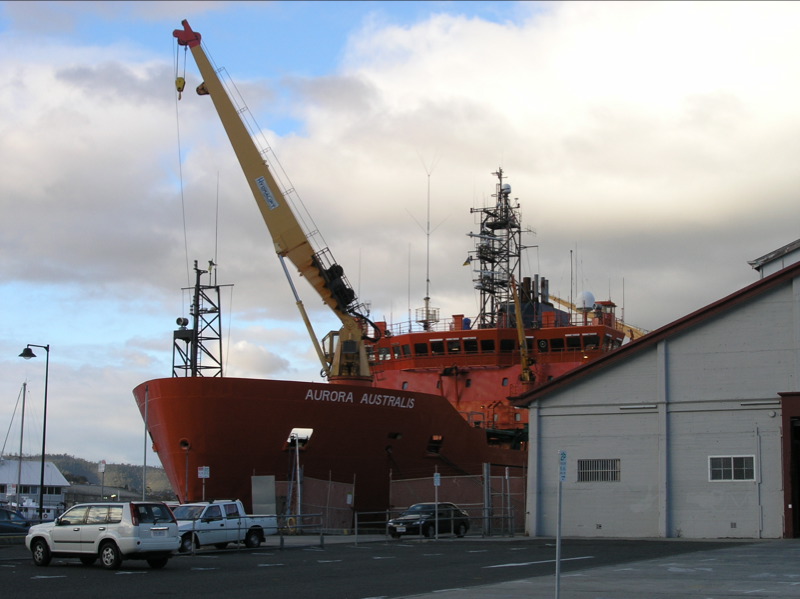 Aurora Australis - Australian Antarctic Supply vessel - Hobart
 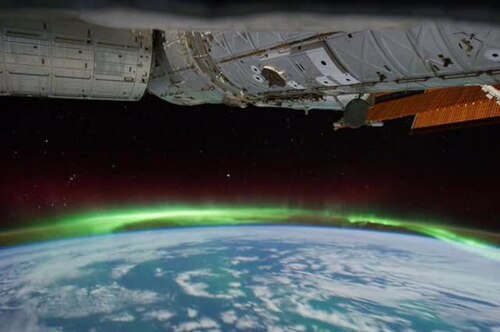 Aurora Australis south of Australia
 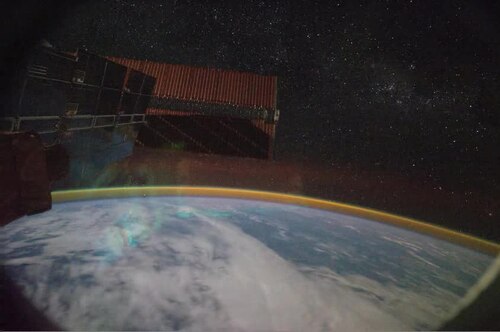 Aurora Australis from ISS 2011 - 2
 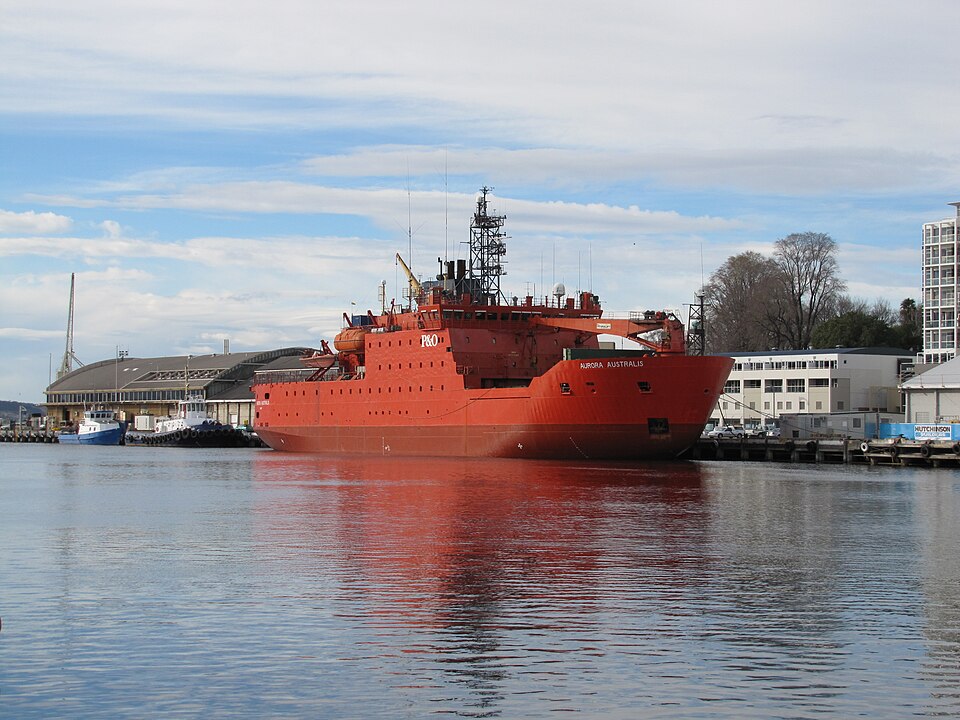 Aurora Australis (2)
 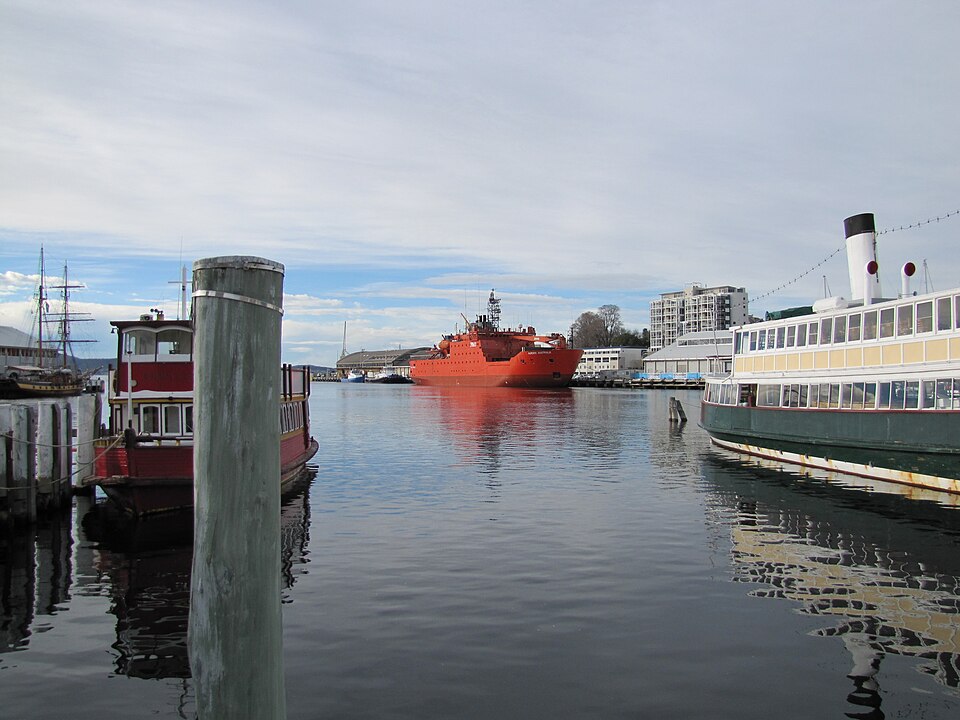 Aurora Australis in Hobart
 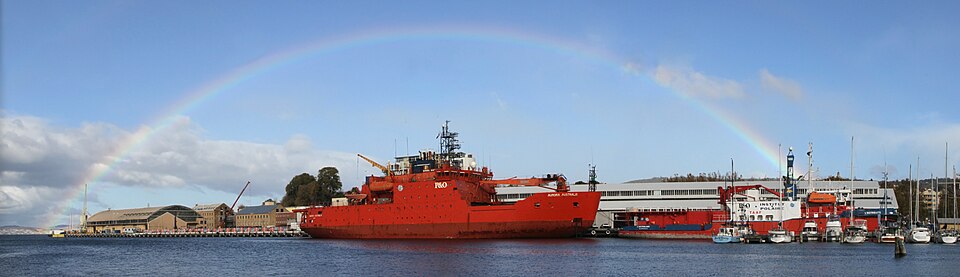 Aurora Australis (icebreaker) berthed in Hobart under a rainbow
 Guides for visiting Australia
In-depth planning resources for your northern lights trip.
 Travel guide Australia
 Aurora Australis in Australia - Where to See It
Tasmania leads for aurora australis - Cradle Mountain, Hobart, and the south coast.
 Comparison Aurora science
 Aurora Australis vs Aurora Borealis
How the southern lights differ from their northern counterpart - and what stays the same.
 Planning All destinations
 How to Plan a Northern Lights Trip
Destination, timing, packing, expectations, and how to read a forecast.
 Science Aurora science
 What Is the Kp Index?
How the planetary index is measured, what the numbers mean, and when to act.
 Location Hobart
 Aurora Australis Hobart Tonight
Live forecast for Tasmania's capital - Kp threshold, cloud, and outlook.
 Travel guide New Zealand
 New Zealand Aurora Australis Guide
Lake Tekapo, Fiordland, Stewart Island, and Wānaka - where to see aurora australis in New Zealand.