Travel guide
Northern lights Finland - complete travel guide
Finland has built an entire tourism infrastructure around watching aurora from a heated bed. Glass igloos, aurora cabins, and thermal-dome suites exist nowhere else in quite the same density. Finnish Lapland also sits deep inside the auroral oval - Saariselkä at 68°N needs Kp 1-2, meaning aurora on most clear nights during active solar periods.
Why Finland is different
Every Nordic country offers aurora watching. Finland's distinguishing feature is the accommodation. The glass igloo concept - a heated cabin with a thermally treated glass ceiling, designed specifically so guests can watch aurora while lying in bed - started at Kakslauttanen resort near Saariselkä in the 1970s and has since spread across Finnish Lapland. Today there are dozens of properties offering variations on the theme, from budget cabins with small glass panels to full-dome luxury suites where the entire ceiling and walls are curved glass.
No other country has scaled this concept in the same way. Norway has excellent guided aurora tours and dramatic coastal scenery. Iceland combines aurora with geothermal landscapes. But the experience of watching green and white aurora arc overhead from a warm bed, without leaving your room, exists at scale only in Finnish Lapland.
The location reinforces the concept. Finnish Lapland is flat and forested, not fjord-cut - the open sky above a clearing or fell is wide and unobstructed. Cloud cover is lower here than on Norway's Atlantic coast in many months. The combination of infrastructure, latitude, and open horizons gives Finland a distinct position in the aurora travel market.
Finnish Lapland's aurora position
Saariselkä and Ivalo sit at 68-69°N, placing them well inside the auroral oval - the ring-shaped zone around the geomagnetic pole where aurora occurs most frequently. At this latitude, Kp 1-2 is sufficient for overhead aurora on a clear night. During the current solar maximum, Kp 1-2 conditions occur on most nights.
Between September and April, Finnish Lapland experiences genuinely dark nights suitable for aurora viewing. September has about five hours of astronomical darkness per night and the equinox effect boosts geomagnetic activity. By December, darkness lasts 20+ hours at Saariselkä. March is statistically one of the most productive aurora months globally.
Aurora occurs on most clear nights here during active solar periods - not just during major storms. That is the key practical difference from watching aurora in Scotland or Scandinavia's southern cities: you do not need a G3+ event. A quiet active night at Kp 2 will produce visible aurora from Saariselkä.
Best locations in Finnish Lapland
Saariselkä
Saariselkä is the purpose-built aurora capital of Finnish Lapland. The village sits at the southern edge of Urho Kekkonen National Park - 2,550 square kilometres of treeline fell, river valley, and subarctic wilderness with almost no artificial light. Sky quality is Bortle 2-3 immediately outside the resort. The national park's open fells give wide northern horizons that work well for photography. Most glass igloo properties in the area sit within walking distance of the park boundary.
Ivalo
Ivalo is Finland's northernmost main town, 25 km north of Saariselkä on the E75 highway. Ivalo Airport operates direct charter flights from the UK, Germany, and the Netherlands during the aurora season - useful for travellers who want to fly direct rather than route through Helsinki. Aurora threshold is Kp 1-2. The town itself has more services than Saariselkä but less of the purpose-built aurora infrastructure.
Levi
Levi is a ski resort at 67.8°N with direct scheduled flights to Helsinki and seasonal charter routes from several European cities. It has a well-developed glass igloo offering, ski infrastructure, and a wider range of hotels than the smaller destinations. Being a ski resort means more light pollution than Saariselkä, but dedicated aurora cabins are positioned away from the main slope lighting.
Ylläs
Ylläs is home to Finland's highest fell at 718 metres. The resort is quieter than Levi and slightly darker. The fell itself gives elevated dark sky viewing with open sightlines in all directions - on a clear night with Kp 2+, aurora is visible on three or four sides of the horizon simultaneously. Ylläs tends to attract visitors who want a lower-key experience than Levi's ski-resort atmosphere.
Luosto
Luosto is a purpose-built aurora resort at 67.1°N with a particular draw beyond the lights: an active amethyst mine where visitors can dig for stones. The resort is small - a couple of hotels, a cluster of aurora cabins, and a spa - which keeps light pollution low. The fell above the resort is the primary viewing spot.
Kittilä
Kittilä has an international airport - the most northerly in Finland with regular international connections - making it the main gateway for Levi and Ylläs. The town itself is a functional transit point rather than an aurora destination, but properties nearby and along the road north sit at 67.7°N with Kp 1-2 thresholds.
Rovaniemi
Rovaniemi at 66°N sits just inside the Arctic Circle and is the main transport hub for Finnish Lapland - direct flights from a wide range of European cities, a large selection of hotels, and established aurora tour operators. It needs Kp 2 from dark sites outside the city. For a trip combining aurora with other Lapland experiences and convenient access, Rovaniemi is the sensible base. For maximising aurora probability, push 150-200 km further north to Saariselkä or Ivalo.
The glass igloo experience - realistic expectations
The photographs look extraordinary. The experience is good, with some caveats worth knowing before you book.
The best igloos use electrically heated thermal glass that keeps frost off the exterior and resists condensation. At temperatures above -20°C, these work well. Below -25°C - which happens regularly in January and February - condensation can form on the interior surface, reducing visibility until the heating catches up. The cheapest glass igloo products use thinner glass and less sophisticated heating; condensation is a more frequent issue.
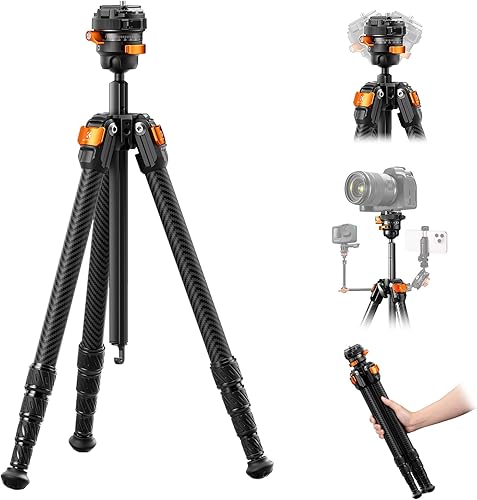
From inside a heated igloo, you are watching aurora through glass at roughly 18-20°C. You will not see stars or faint aurora as well as you would outside in clear, cold air. Photographers should plan time outside with a tripod - the glass introduces reflections and slightly reduces contrast. Aurora that is clearly visible from outside will look good through quality igloo glass; very faint aurora may not register through it.
Booking lead times for peak dates are long. Christmas Eve and New Year suites at the top properties book 12 months ahead. Many resorts open bookings on a fixed annual date and the best rooms go within hours. For budget or mid-range cabins, 3-6 months is typically sufficient for November, February, or March dates. The pricing range is wide: basic glass-roof cabins start around €200-300 per night; full-dome luxury suites with private saunas run €800-1,500.
Polar night (kaamos)
Finnish Lapland experiences polar night - kaamos in Finnish - from late November to mid-January. At Saariselkä, the sun does not rise for approximately 50 days. This produces 24 hours of usable darkness, which sounds ideal for aurora.
The reality is more nuanced. Polar night provides maximum darkness, but geomagnetic activity does not peak in winter - it peaks near the equinoxes. The September and March equinoxes consistently produce more geomagnetic storms than December or January. December and January aurora does happen, and frequently, but the statistical probability per clear night is lower than in September or March.
The main practical benefit of polar night is flexibility: you can watch aurora at 2 pm as easily as at 2 am. You are not constrained to waiting until after midnight for full darkness. For travellers with children or those who prefer structured evenings, this is a genuine advantage. For aurora maximisers, September and March remain the optimum.
Combining aurora with other activities
A Finnish Lapland trip works well as a package. Most properties and tour operators offer a standard menu of daytime and evening activities that fit naturally around aurora watching.
Husky safaris run in the morning and early afternoon, when aurora watching is not possible. Reindeer sledding and snowmobile tours run throughout the day. Ice fishing on frozen lakes is quiet and slow - a good contrast to the faster activities. Most resorts offer sauna facilities as a standard evening activity before heading out to watch the sky.
Guide companies run dedicated aurora tours by snowmobile or snowshoe, moving away from resort lighting to properly dark sites. These are worth booking even if your accommodation is in a dark location - a guide who monitors the forecast and knows the terrain can take you to the best available position when activity starts. Several operators in Saariselkä and Levi specialise in this, running tours that head onto the national park fells specifically for photography.
When to go
The aurora season in Finnish Lapland runs September to April. August is too bright - the sky never gets dark enough at these latitudes in late summer. May and beyond are similarly unviable for aurora.
September is a strong month: the equinox effect lifts geomagnetic activity, temperatures are manageable (-5°C to -10°C at night), and the birch trees still carry some colour. The nights are not yet fully dark until mid-September, so the second half of the month is better. October brings reliable darkness, colder temperatures (-10°C to -20°C), and the first snow. Glass igloo season typically opens in October.
November through January covers polar night, with the coldest temperatures of the year in January (regularly -25°C to -35°C at night). Aurora occurs frequently but statistically less so than at the equinoxes. February warms slightly and activity picks up. March is the second equinox peak - statistically excellent for aurora, with temperatures that are cold but more manageable than January (-15°C to -20°C at night).
April is a transition month. Nights remain dark enough for aurora in early April, temperatures are milder, and there is still good snow cover. Mid to late April is marginal. Glass igloo season generally closes by end of March or early April.
Finland vs Norway vs Iceland
Each destination has a distinct character. Finland's strength is the accommodation experience. Glass igloos, thermal aurora cabins, and purpose-built resort infrastructure are genuinely better developed here than anywhere else. If the idea of watching aurora from a warm bed is central to your trip, Finnish Lapland is the right choice.
Norway has a more developed guided tour market - particularly in Tromsø, which has dozens of specialist aurora operators, boat tours, and photography guides. The Norwegian coastline also offers dramatic fjord scenery that Finnish Lapland's flat fell landscape does not match. For a dedicated aurora-photography trip with experienced guides, Norway is strong.
Iceland combines aurora with geothermal activity, waterfalls, and a wider range of non-aurora sightseeing. It works well as a complete travel destination for people who want aurora as one part of a broader trip. The full head-to-head comparison is in the Norway vs Iceland guide.
Related pages
Finland Aurora Forecast
Live Kp and cloud cover for Saariselkä, Levi, Rovaniemi, and more.
Northern Lights Norway Guide
Compare with Norway - Tromsø, Lofoten, and Svalbard.
Norway vs Iceland for Northern Lights
The two most popular aurora destinations compared.
What Is the Kp Index?
Understanding Kp thresholds for Finnish Lapland.
Best Time to See the Northern Lights
Month-by-month aurora season guide.
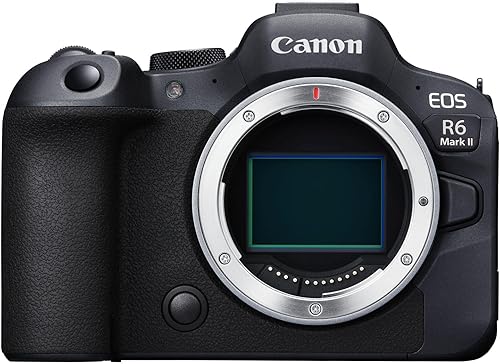
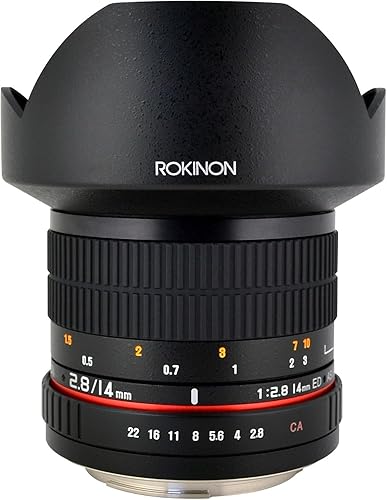
Aurora Photography Gear
What to bring for photographing the northern lights in Finland.
Common questions
Planning your Finnish Lapland aurora trip - timing, booking, and what to expect.