Where to go
Scotland has a spread of good aurora locations across different landscapes. These are the most reliable.
Galloway Forest Park Dark Sky Park
South ScotlandThe UK's first dark sky park. Low light pollution across a large area. Not as far north as the Highlands but the dark skies are among the best in the UK. Good foreground options including lochs and moorland.
Cairngorms National Park
Central HighlandsWide open plateaus, north-facing glens, and minimal light pollution once you get off the main A9 corridor. Balmoral Estate, Loch Morlich, and the Cairn Gorm ski road all offer good shooting positions. Strong winds at altitude - a solid tripod is essential.
Isle of Skye
Northwest HighlandsThe Quiraing, Neist Point lighthouse, and Fairy Pools all offer strong foreground options. The west coast gets more rainfall than the east - check cloud cover carefully. The Trotternish peninsula faces north.
Orkney Islands
Northern IslesAt 59°N, Orkney sits well within the auroral oval during moderate activity (Kp 3+). Low population, flat landscape, and north-facing coastlines. The Neolithic sites at Ring of Brodgar and Skara Brae add foreground interest.
Shetland Islands
Northern IslesThe northernmost part of the UK at 60°N. Visible aurora more nights per year than anywhere else in Britain. Persistent wind - a heavy or pegged-down tripod is necessary. Lerwick has good access and some dark-sky areas nearby.
Northumberland
Northern England borderNot Scotland, but worth noting as the southernmost reliable dark sky area accessible from the central belt. Kp 5+ from Northumberland is achievable. Good for those driving from Edinburgh or Newcastle.
Check the live forecast for Scotland at Aurora Tonight - UK Forecast and the specific Scotland aurora forecast. Browse guided Scotland aurora experiences on Tiqets for operators who include dark sky transport.
This page contains affiliate links to tour operators and products on Amazon. If you book or buy through one of these links, I may earn a small commission at no extra cost to you. This doesn't influence which operators or products are featured, or what the forecast shows.
Timing
The aurora season runs from late September through March. October and March are historically the most active months due to the equinox effect on geomagnetic activity. The nights are long enough for extended shoots and the equinox geometry produces more storms from the same solar wind conditions.
Winter (November through February) has the longest nights but more cloud on average, particularly on the west coast. The east Highlands - Cairngorms, Deeside - see more clear nights in winter than Skye or Galloway.
You need Kp 3 or above from the far north of Scotland. From Edinburgh, aim for Kp 5+. Check this site's forecast before you plan a trip. Search flights to Inverness on Aviasales - direct services from London, Birmingham, and Bristol put you within 45 minutes of the Cairngorms.
Gear for Scottish conditions
Scotland is wet, cold, and often windy. That affects your gear choices in several ways.
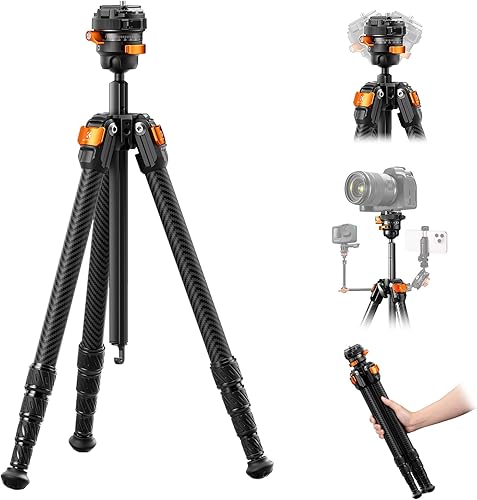
Wind is the biggest practical problem for tripod shooting. Carbon fibre legs are stiffer than aluminium at the same weight and less likely to flex in gusts. Hanging your camera bag from the centre column adds ballast on exposed hillsides. At Cairn Gorm summit or the Shetland coast, 30-40 mph gusts are common even on otherwise clear nights.
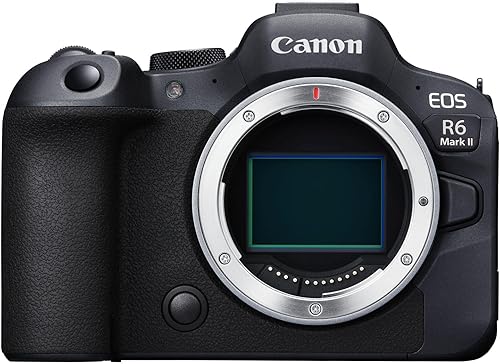
Rain happens without much warning, particularly on the west coast. A weather-sealed camera body and lens is a genuine advantage. If your kit is not weather-sealed, carry a lightweight rain cover.
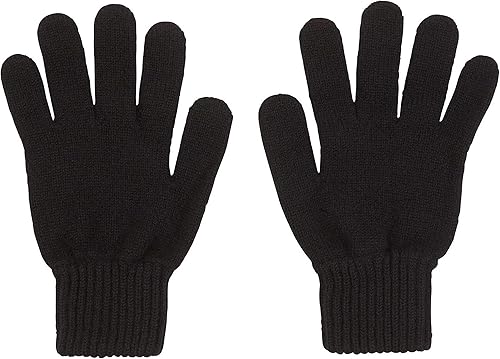
Temperatures drop to -5°C to -10°C regularly in the Highlands from November onwards. Mittens with a removable inner liner let you keep hands warm and still adjust controls when needed.


Before you head out
For late-night arrivals into Inverness, book an airport transfer on Kiwitaxi rather than collecting a hire car after a long travel day - transfers drop you at your accommodation while hire car pickup can wait until morning.