Layering
Three layers cover most conditions from September through March in the UK.
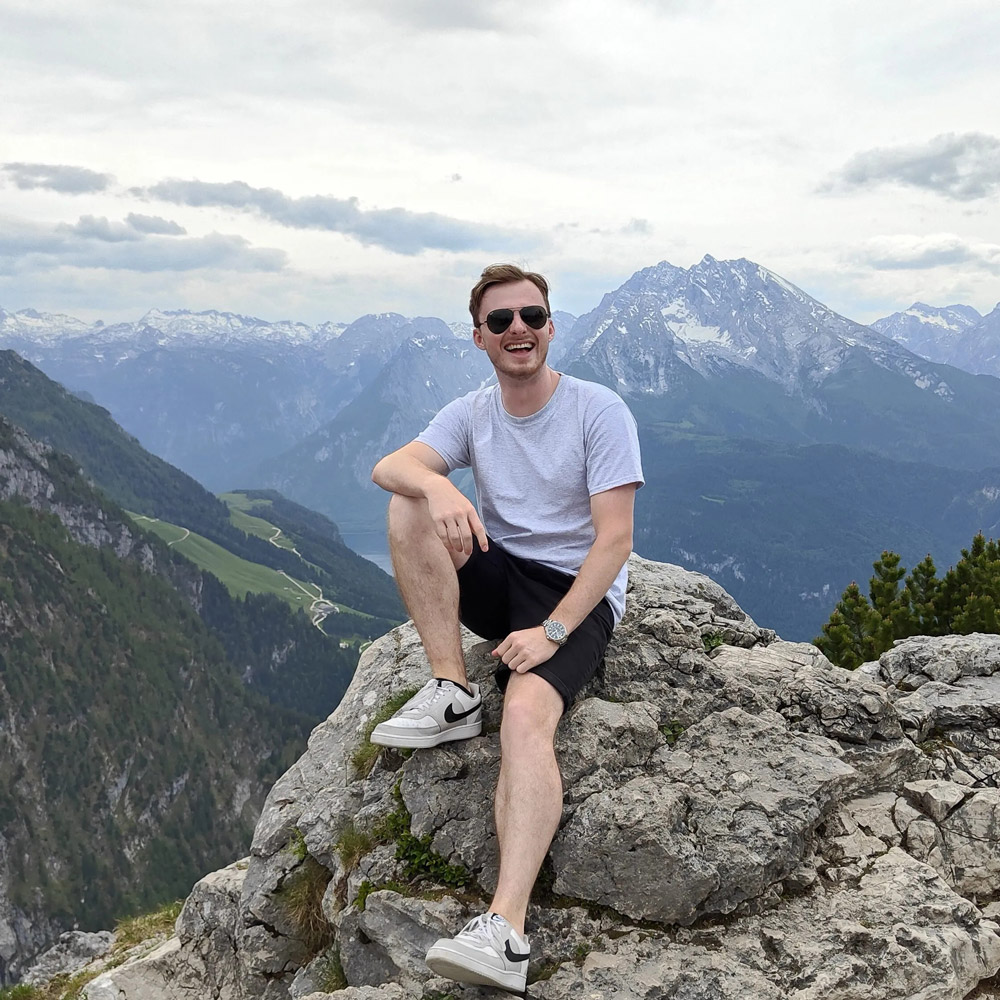
The base layer sits against your skin and manages moisture. Merino wool or synthetic thermal fabric works better than cotton, which stays wet. The mid layer provides insulation - a fleece or down jacket. The outer layer is waterproof and windproof. On the west coast of Scotland or Shetland, a waterproof outer is not optional.
The mistake most people make is bringing a single thick coat rather than separable layers. Separate layers let you adjust to changing conditions and pack more efficiently.
Hands
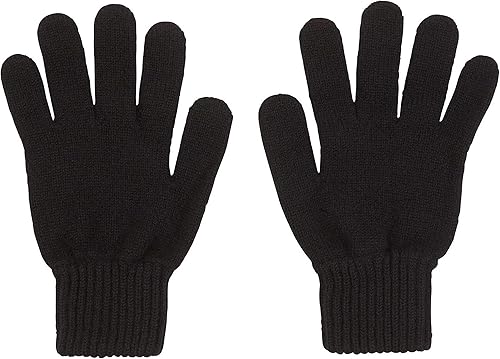
Cold hands end a shoot. Ordinary gloves let you adjust camera controls but provide almost no insulation once the temperature drops below freezing. Ordinary mittens keep hands warm but make it impossible to change settings.
The practical solution is mittens with a removable inner liner. The outer mitten provides the insulation; you flip it back or remove the liner to adjust controls, then put it back. This approach keeps hands functional without sacrificing warmth.
Head torch
A head torch serves two purposes on a night shoot: navigating to and from your location, and adjusting gear without using your phone screen.
The second purpose matters more than most people realise. White light destroys night vision. Your eyes take around 20 minutes to dark-adapt - during that time, the sensitivity of your rod cells increases dramatically, and you become able to detect far fainter light from the aurora. Looking at a white phone screen resets that process immediately.
A head torch with a red mode solves this. Red light does not trigger the same photochemical response in the eye. Use white light to walk to your spot, then switch to red for everything after that.

Feet and legs
Waterproof boots rated to -10°C or below are the practical choice for night watching in the UK from October through February. Wellies work for wet ground but provide little insulation. Walking boots with a waterproof membrane (Gore-Tex or similar) and a thermal insole are more versatile.
Standing still on wet ground or frozen grass transfers cold upward quickly. Thermal socks help, but insulation in the boot is the primary defence. If you are shooting from a fixed position for more than an hour, stamping your feet periodically keeps circulation going.