This page contains affiliate links. As an Amazon Associate I earn from qualifying purchases.
What You Need to Photograph the Aurora
Aurora photography is night photography under difficult conditions - low light, freezing temperatures, and a subject that can vanish in minutes. The gear you use determines whether you come home with sharp, well-exposed frames or nothing. Below is what matters in each category and the specific products worth buying.
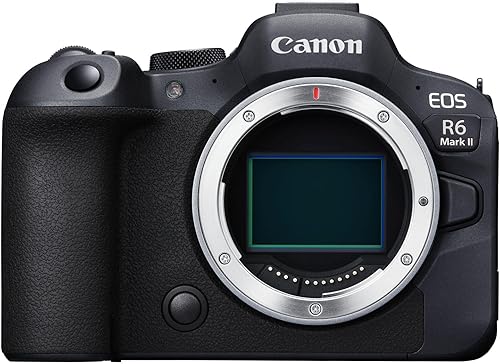
Cameras
Full-frame mirrorless cameras produce cleaner images at ISO 3200-6400, which is where you will be shooting most of the time. The larger sensor gathers more light per pixel and handles noise better at high sensitivity. APS-C bodies are lighter and cheaper, and work well paired with a fast prime. Weather sealing is worth having if you are shooting in rain, snow, or coastal wind.



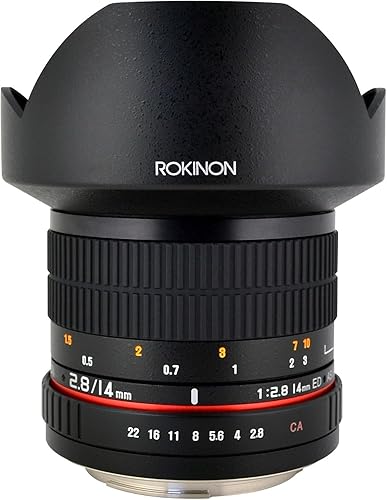
Lenses
Go wide and fast. A focal length between 14mm and 24mm (full-frame equivalent) at f/2.8 or wider lets you keep exposures short enough to freeze star movement. At f/1.4 or f/1.8 you can drop the ISO or shutter time further, which gives cleaner images and sharper detail when the aurora is moving fast. Manual focus lenses are cheaper and work fine - at night you will be focused at infinity most of the time.

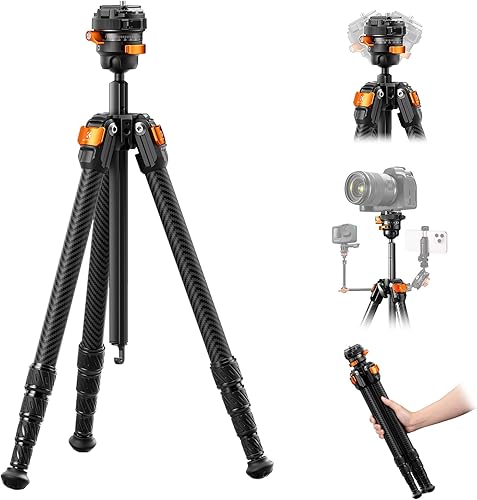
Tripods
You are shooting multi-second exposures. Any movement ruins the frame. Carbon fibre legs cost more than aluminium but do not conduct cold the same way, which makes a noticeable difference when you are handling the legs bare-handed at -10°C. Look for a ball head with a separate pan lock - it makes framing adjustments faster in the dark.
Accessories
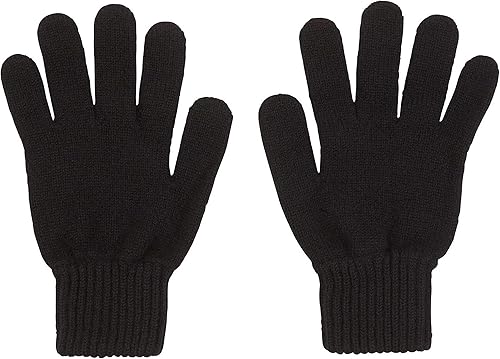
Cold drains batteries fast. Carry at least two and keep the spare in an inside pocket until you need it. A wireless shutter remote removes the vibration you get from pressing the button directly. Mittens with a removable inner liner keep your hands warm while still letting you adjust settings when you need to. A head torch with a red mode preserves your night vision - white light destroys it immediately and it takes around 20 minutes to recover.



This page contains affiliate links to tour operators and products on Amazon. If you book or buy through one of these links, I may earn a small commission at no extra cost to you. This doesn't influence which operators or products are featured, or what the forecast shows.
Once the gear is sorted, the location matters as much as the kit. Guided aurora tours in Norway, Iceland, and Finland put you in the right position at the right time - browse operators and departure dates on Klook.