This page contains affiliate links to tour operators and products on Amazon. If you book or buy through one of these links, I may earn a small commission at no extra cost to you. This doesn't influence which operators or products are featured, or what the forecast shows.
Scotland's photography advantage
Scotland offers aurora photography within reach of any UK-based photographer. Kp 3-4 from the Scottish Highlands puts aurora on the horizon several times per year, and during the current solar maximum (2024-2026), Kp 5-6 events that cover Scotland fully have become routine. The frequency of opportunities is meaningfully higher than it was a decade ago.
The landscape is the main differentiator. Few aurora destinations match Scotland's variety of foregrounds: Neolithic standing stones, medieval castles, sea lochs, peat moorland, and mountain plateau, all within a country the size of a single Norwegian county. Most major dark sky sites are within two hours of a Scottish airport. Search flights to Inverness on Aviasales - direct services from London, Birmingham, and Bristol give the fastest road access to the Cairngorms and north coast. For transfers from Inverness Airport to remote lodges, book through Kiwitaxi rather than collecting a hire car on a late-night arrival.
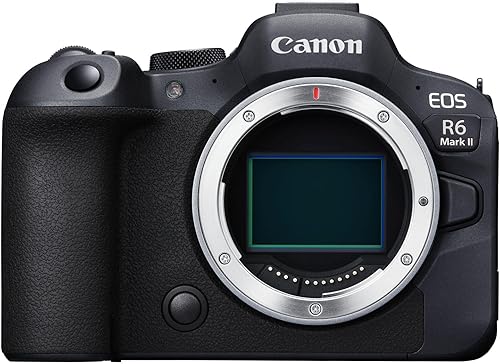
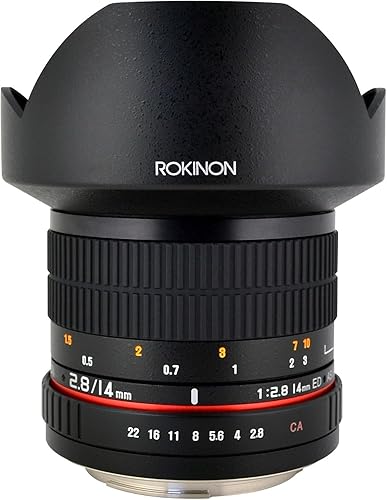
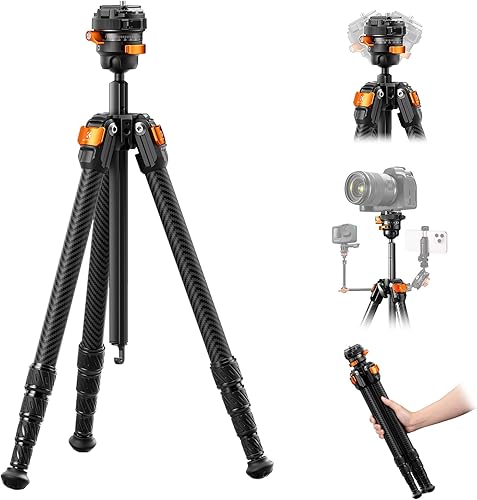
For technique and camera settings, the dedicated northern lights photography guide covers exposures, ISO, focus, and RAW processing in detail. For gear recommendations - cameras, lenses, tripods, and cold-weather accessories - see aurora photography gear. This page focuses on locations: where to go, what you will find there, and the specific compositions each spot offers.
Top photography locations
Callanish Standing Stones, Isle of Lewis
Callanish is the strongest single aurora photography location in Scotland. The megalithic circle dates to approximately 3000 BCE and sits on the west coast of the Isle of Lewis at 58°N, with no significant light pollution for 40 kilometres in any direction. The stones are up to 5 metres tall and catch aurora light on their west faces. The site looks north-west across the Outer Hebrides coastline with a clean horizon.
Park at the visitor centre and walk 200 metres to the stones. The most productive composition shoots from the south end of the central avenue looking north - the tallest stone at the centre frames the sky above it. Best orientation: north-northwest. Access is by road from Stornoway; reach Lewis by CalMac ferry from Ullapool (2 hours 45 minutes) or by flight from Edinburgh or Glasgow into Stornoway.
Eilean Donan Castle, Loch Duich
The most photographed castle in Scotland sits at the junction of three sea lochs on the A87, close to the turning for the Isle of Skye. The castle is floodlit, which adds slight light pollution - but the reflection on Loch Duich at low water compensates. The combination of castle, water, and mountains behind creates strong compositional depth when aurora appears above.
The classic angle is from the road bridge to the east. A longer focal length (50-70mm) isolates the castle against the aurora without including too much of the road. Arrive before midnight: the floodlights are usually switched off then, which reduces the light contamination significantly and brings out the aurora colour in the sky behind the tower.
Glencoe, Highland
Glencoe is one of Scotland's most dramatic valleys, running roughly east-west between high quartzite ridges. The north-facing slopes of the glen give a clear northern horizon, and Loch Achtriochtan in the valley floor reflects aurora when conditions allow. The rock faces of Aonach Eagach - the narrowest ridge in mainland Scotland - provide strong vertical structure if aurora rises high enough to fill that section of sky.
Park at the Clachaig Inn layby or the Three Sisters viewpoint on the A82, then walk 100 metres north of the road towards the loch. The valley floor is boggy in wet conditions; waterproof boots matter. Midges are a consideration from May to September on calm evenings.
Galloway Forest Park
Galloway Forest Park holds Gold Tier status from the International Dark-Sky Association - the highest certification for a public dark sky site, and the UK's first designated International Dark Sky Park. The core area reaches Bortle Class 2. At 55°N geographic, a Kp of 4-5 is needed, so Galloway is productive during moderate geomagnetic storms rather than quiet nights. When a storm does arrive, the sky quality here is exceptional for the latitude.
Clatteringshaws Loch provides a flat water foreground with a clear northern outlook. The Raiders Road forest drive around the loch gives multiple pull-offs facing north. Drive the route in daylight first to identify composition angles - several bends offer water, treeline, and open sky in the same frame. Best in early autumn before deciduous trees lose the foliage that would otherwise block parts of the northern horizon from lower viewpoints.
Cairngorms - Loch Morlich
Loch Morlich near Aviemore is the most accessible aurora photography spot in the Cairngorms National Park, which holds the title of largest dark sky park in the UK. The loch sits at 340 metres with Caledonian pines on the south shore and a clear north-facing water surface. The 1,000-metre peaks of the Cairngorm plateau rise behind. At Kp 3-4, the combination of dark sky and mountain backdrop makes this a strong location for both visual aurora and long-exposure photography.
The Loch Morlich car park is free and open overnight. Compose from the south shore looking north, with the Caledonian pines framing left or right of the sky. When valley cloud forms - a common autumn pattern - drive up to the Cairngorm ski car park at 640 metres, which often sits above the cloud layer entirely. The views from the plateau car park on a clear night are among the best in mainland Scotland.
North Coast 500 - Smoo Cave and Durness
The north coast of Sutherland runs at 58-58.5°N with an unobstructed north-facing Atlantic horizon. Smoo Cave at Durness, a sea cave accessible at low tide, provides a dramatic coastal foreground. The headlands around Cape Wrath - accessible by ferry and minibus during summer months only - give the furthest north position on mainland Scotland.
The coast faces directly north-northwest, which is the optimal orientation for capturing aurora in the lower sky. Check tide times before visiting Smoo Cave: the sea cave interior is accessible on foot at low tide and gives a sheltered shooting position looking back out through the cave mouth towards the north horizon. On non-cave nights, the cliff-top above Smoo gives a wide-field composition facing north.
Shetland Islands
Shetland at 59°N magnetic needs Kp 2-3 - lower than anywhere else in Scotland, and lower than most of Iceland's accessible locations. The islands are surrounded by sea with no inland horizon obstruction in any direction. There are no trees and almost no artificial lighting outside Lerwick. Shetland photographers have more aurora attempts per year than anywhere else in Scotland simply because the Kp threshold is reached more often.
Sumburgh Head lighthouse at the southern tip is accessible by car and gives a lighthouse foreground with direct sea views to the north. Eshaness cliffs on the west coast, with their dramatic red sandstone stacks and Atlantic swell, make a striking foreground for wide-angle compositions. Both require Kp 2-3. Loganair operates regular flights from Edinburgh, Aberdeen, and Inverness to Sumburgh Airport.
Orkney Islands - Ring of Brodgar
Orkney at 58°N magnetic needs Kp 3. The Ring of Brodgar - a Neolithic stone circle dating to around 3000 BCE - is the Orkney equivalent of Callanish: a foreground that adds several thousand years of human history to a long-exposure photograph. The ring sits on a peninsula between Harray Loch and Stenness Loch, giving water reflection on the south side. The stones are 4-5 metres tall.
Hoy island, accessible by ferry from Stromness, gives additional remote dark sky sites with no settlement and spectacular coastal scenery. The Old Man of Hoy - a 137-metre sea stack on the west coast - is one of Scotland's most dramatic landforms and provides a foreground during strong aurora events when the display is broad enough to fill the sky above the cliffs.
Isle of Skye
Skye is Scotland's most visited island and more light-polluted than the outer islands, but its landscape is exceptional and worth the trade-off during strong events. The Storr rock formation, Quiraing, and Neist Point lighthouse each provide distinctive foregrounds. Neist Point faces north-west from the western tip of the island, with a white lighthouse and sheer basalt cliffs. Drive to the end of the B884 and walk 15 minutes to the lighthouse promontory.
Cloud cover is higher on Skye than on the east coast or the outer islands due to the Atlantic weather patterns that hit the island first. For Skye photography sessions, have Loch Morlich or a North Coast 500 location as a fallback if cloud closes in, and be prepared to drive east.
Practical tips specific to Scotland
Single-track roads: most of the best locations in the Highlands and islands involve single-track roads at some point. Pull into passing places when meeting oncoming traffic - do not stop at random points on the road, even if a composition looks tempting. Reversing on a dark Highland road at 2 am is a straightforward way to damage a vehicle or block the road for hours.
Midges: active from late April to September, especially on calm, overcast evenings near woodland and water. The ideal aurora photography night - still air, no wind - is also the ideal midge night. A midge head net weighs almost nothing and completely solves the problem. Smidge and Avon Skin So Soft are the most effective repellents for Scottish midges specifically.
Weather strategy: Scotland's weather changes fast and is highly localised. Cloud cover on the west coast bears little relation to conditions 60 kilometres east. Always plan two locations for each session - a primary and a backup - and be willing to drive 30-60 minutes to find a clear gap. The Met Office cloud radar and the Clear Outside app both give suitable localised forecasts. Check them immediately before leaving, not the night before.
Waterproofs and layering: even in summer, temperatures on a Scottish coastal headland after midnight are low. A windproof and waterproof outer layer is necessary regardless of the forecast. Conditions that feel mild in town feel entirely different standing on Eshaness cliffs at 1 am in a north-westerly wind.
Tides at coastal locations: Smoo Cave, Neist Point, and several Orkney sites involve tide-dependent access. Check tide times before the session and allow extra time at the location to cover both low and rising-tide compositions.
Best months for Scotland photography
March and October are the strongest combination of geomagnetic activity and photographic conditions. March in particular often has better atmospheric transparency than September - less residual summer moisture means cleaner skies and more accurate colour in long exposures. The spring equinox drives elevated geomagnetic storm frequency, and temperatures, while cold, are manageable for extended outdoor sessions. For detailed month-by-month analysis, the Scotland northern lights guide covers timing in full.
April remains viable through to late month and is often overlooked. Days are getting longer but nights above 57°N are still dark enough well into April. Temperatures are milder than March, which matters for battery life and comfort during three-hour sessions outdoors.
Browse guided aurora experiences in Scotland on Tiqets to compare operators who include transport to dark sky sites.
October is the best single month for combining aurora probability with autumn landscape interest - bracken on the Cairngorms turns rust-red, and the low-angle light before dusk gives warm foreground tones for early evening compositions before the aurora session begins. The trade-off is higher cloud frequency compared to spring. September is the first viable month of autumn, though nights are shorter than October and the equinox boost is less reliable than in March.