Travel guide

Northern lights Norway - complete travel guide

Norway stretches from 58°N to 78°N, covering more aurora latitude than any other European country. Whether you want the low-threshold skies of Svalbard, the guided tour ecosystem of Tromsø, or the dramatic fjord scenery of Lofoten, Norway has an option that fits.

Why Norway

Norway has built the most mature aurora tourism market in the world. That matters practically: there are direct flights from London, Manchester, Edinburgh, and a dozen other European cities to Tromsø. Accommodation ranges from budget hostels to dedicated aurora cabins with glass ceilings. Guided tour operators have refined cloud-chasing by vehicle into a reliable science. Infrastructure that took other destinations decades to develop exists here already.

The latitude range is the other reason. Oslo at 59°N needs a significant geomagnetic storm. Tromsø at 70°N needs almost nothing - a quiet aurora night is enough. Svalbard at 78°N sits inside the auroral oval permanently. No other country accessible from Western Europe offers this range in a single destination.

Scenery rounds out the case. The combination of fjords, mountains, and Arctic light - the deep blue of polar twilight in midwinter, the orange glow before sunrise - means the trip has value independent of what happens at night.

Norway's aurora latitude ladder

The further north you go in Norway, the lower the Kp threshold and the more reliable the aurora. Here is how the country stacks up from south to north.

Svalbard - 78°N

The most extreme option. Svalbard sits inside the auroral oval year-round, meaning aurora is possible at Kp 1 - the minimum detectable level. Polar night runs from late October to mid-February, giving 24-hour darkness. Logistically more demanding and more expensive than mainland Norway, but the experience is without parallel for those who want aurora from the high Arctic.

Tromsø / Alta / Senja - 69-70°N

The most productive zone for guided tours. A Kp 1-2 threshold, direct flights from the UK and Europe, and the highest concentration of aurora tour operators anywhere in the world. Polar night runs from late November to mid-January. The infrastructure here - chase vehicles, aurora cabins, airport transfers - is what makes Tromsø the benchmark against which every other aurora destination is measured.

Lofoten / Bodø - 67-68°N

Kp 1-2. Lofoten's dramatic mountain-sea scenery makes it the most photogenic aurora destination in Norway. Jagged peaks drop directly into the sea, fishing villages dot the shoreline, and dark sky access is straightforward from the main island road. Bodø has direct domestic flights from Oslo. Slightly south of Tromsø, but the threshold is comparable and the scenery is more varied.

Ålesund / Bergen - 60-62°N

Kp 3-4. Both cities are accessible from the UK on short flights, which makes them convenient for a weekend trip during a strong event. Bergen is one of the cloudiest cities in Europe, so the practical success rate is low. Ålesund is somewhat drier and more accessible by dark sky spots. Worth monitoring during solar maximum, but not worth visiting primarily for aurora.

Oslo - 59°N

Kp 4-5 needed for any realistic chance. Aurora appears low on the horizon during moderate storms and overhead during major events. During solar maximum, Kp 5 events reach Oslo multiple times per year. Not a dedicated aurora destination, but worth stepping outside during a Kp 5+ warning if you are already there.

Best locations in depth

Four locations deserve a closer look for planning purposes.

Tromsø

The benchmark aurora destination globally. Tromsø sits at 69.7°N inside the auroral oval. The guided tour market is the most developed in the world - multiple operators compete on cloud-chasing capability, vehicle quality, and photographer services. Aurora appears on most clear nights here, not just during events. Accommodation covers all budgets. Book 4-8 weeks ahead for October to February.

Lofoten Islands

The best choice for photography. Lofoten's threshold (Kp 1-2) sits at the same level as Tromsø, but the foreground options are more dramatic. The E10 road running the length of the islands passes dozens of viewpoints with mountain, sea, and traditional fishing village compositions. Weather comes from the west, so moving to the eastern side of the islands often finds clearer sky.

Svalbard

For those who want the most extreme version. The polar night period - when the sun does not rise at all - runs from late October to mid-February. Aurora at Kp 1 is theoretically visible every clear night. All activities outside Longyearbyen require a guide because of polar bear presence, which adds cost but also ensures access to remote dark sites. Flights from Oslo with Norwegian or SAS, typically 3 hours.

Senja

Senja is often described as "Lofoten without the crowds", and the comparison is fair. The island sits at 69°N, comparable to Tromsø, with a dramatic coastline and mountain scenery that rivals Lofoten. Fewer tour operators base themselves here, which makes it quieter but also means self-drive suits it better. An underrated choice for photographers who want space.

When to go

The season in Norway runs October to March. Polar night - the period when the sun stays below the horizon all day north of the Arctic Circle - runs from late November to mid-January at 70°N. During polar night, any hour of day offers potential aurora time, not just midnight. This is useful: you can eat dinner at 6pm, go to bed at 10pm, set an alarm for 2am, and check conditions without needing to stay up all night.

The equinox effect pushes October and March above the midwinter months in statistical aurora activity. September is too bright in the south of Norway but works in the far north. April retains useful darkness north of the Arctic Circle until late in the month.

Cloud cover patterns matter. Western Norway - Bergen, Ålesund - receives Atlantic weather systems and is among the cloudiest regions in Europe. Northern Norway from Tromsø upwards is drier, particularly in winter when the jet stream pushes precipitation further south. For the highest ratio of clear nights, the north is the right choice.

Tromsø - what to know before you book

Tromsø dominates the aurora tourism market because it solved the cloud problem. Guides here do not stand outside a lodge and hope for clear sky - they drive. A typical guided tour departs the city at around 6pm with a met briefing, travels to a position with a clear forecast, and waits for up to three hours before either returning or chasing a gap elsewhere. The guides operate nightly throughout the winter and accumulate local knowledge that no forecasting app can replicate.

Booking advice: choose a tour operator with a clear rebooking policy for cloudy nights. Several offer free rebooking on subsequent nights if aurora was obscured. This policy is worth more than any other feature when choosing between operators.

Self-drive in Tromsø is entirely viable with a rental car. The E8 north and south of the city, and the Tromsø bridge leading to Kvaløya island, give access to good dark sky spots within 30 minutes. After one guided tour to learn the local geography, self-drive on subsequent nights is a reasonable strategy.

Getting to Norway

Direct flights to Tromsø from the UK operate from London Gatwick and London Stansted on Norwegian, and from several European hubs on SAS. Flight time is approximately 2.5 hours from London. Oslo is the main hub for connections across Norway, with domestic flights to Tromsø, Bodø, and Longyearbyen (Svalbard) taking 1.5-3 hours.

The Hurtigruten coastal ferry runs the length of the Norwegian coastline from Bergen to Kirkenes and passes through Tromsø and the Lofoten area. A northbound voyage from Bergen takes around 4 days. It is not a fast option, but the journey through the fjords and the chance to see aurora from the open deck of a ship is a different kind of experience entirely.

Within Norway, the domestic air network is extensive and reasonably priced when booked in advance. Norwegian and Widerøe cover all major northern airports. Car hire is available at all airports, and driving conditions in northern Norway in winter are manageable with appropriate tyres - studded tyres are standard on all winter hire cars.

Norway vs Iceland

Norway's north offers the more developed guided tour infrastructure and, at Tromsø and above, marginally higher latitude than most of Iceland. Iceland has stronger landscape variety for self-drive travellers and a slightly lower threshold from its rural dark sky locations. The choice comes down to whether you want the reassurance of professional cloud-chasing guides (Norway) or the freedom of a rental car and an open road (Iceland). A full comparison is in the Norway vs Iceland guide.

Common questions

Timing, locations, guided tours, and Kp thresholds for aurora in Norway.

What is the best month to visit Norway for northern lights?
October and March are the strongest months statistically. October gives long nights and reasonable temperatures; March combines good aurora probability with the return of some daylight for enjoying the scenery. November to January has the longest nights but geomagnetic activity is slightly lower than at the equinoxes. Any month from October to March in Tromsø or Lofoten gives a realistic chance of a sighting on a 5-7 night trip.
Is Tromsø worth it for northern lights?
Yes, for most visitors. Tromsø sits at 69.7°N, inside the auroral oval, with a Kp 1 threshold. The guided tour infrastructure is the most developed of any aurora destination - multiple operators run nightly tours with chase vehicles that drive 50-150 km to find clear sky. The airport has direct connections from several UK and European cities. It is the most reliable aurora destination for first-time visitors who want to maximise their chances with limited nights.
Do I need a guided tour in Norway?
In Tromsø, book at least one guided tour - the cloud-chasing by vehicle is a genuine capability that significantly raises your success rate. Guides know which direction weather systems are moving and have local knowledge of accessible dark sky positions. After one guided night, self-drive on subsequent evenings using what you learned. In Lofoten, self-drive is practical - the island road gives access to numerous dark locations and the community is small enough that forecast reading is straightforward.
Can you see aurora in Bergen?
Occasionally, but Bergen is not a reliable aurora destination. At 60.4°N, it needs Kp 4-5 for visible aurora, and it is one of the cloudiest cities in Europe - over 230 rain days per year. Strong events during solar maximum do reach Bergen, and when conditions align it is worth stepping outside, but do not visit Bergen specifically for aurora. Tromsø is 1,800 km further north and far more productive.
What Kp is needed for Tromsø?
Tromsø sits inside the auroral oval at 69.7°N, which means aurora is possible at Kp 1 under clear skies. In practice, Kp 2 produces a clearly visible display with some structure and movement. Kp 3 gives a bright display that is obvious overhead. At Kp 5+, aurora fills the sky and colour is visible to the naked eye without camera enhancement. The low threshold is why Tromsø guides can find aurora on nights when the rest of Europe sees nothing.

Photograph the Aurora - Recommended Gear

This page contains affiliate links. As an Amazon Associate I earn from qualifying purchases.

Sony Alpha 7 III Mirrorless Camera
Camera

Sony Alpha 7 III Mirrorless Camera

View on Amazon
Nikon Z6 II Mirrorless Camera Kit
Camera

Nikon Z6 II Mirrorless Camera Kit

View on Amazon
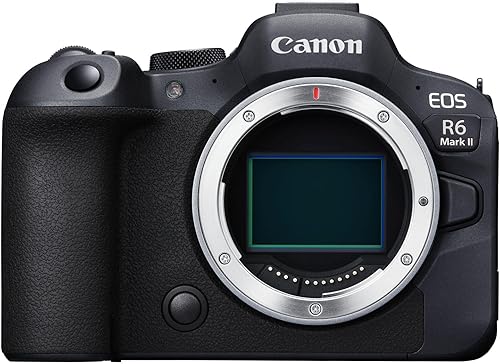
Canon EOS R6 Mark II
Camera

Canon EOS R6 Mark II

View on Amazon
Nikon Z 50II Body
Camera

Nikon Z 50II Body

View on Amazon
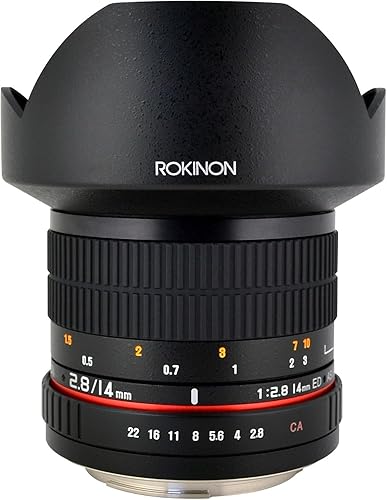
Rokinon 14mm F2.8 Ultra Wide Lens
Lens

Rokinon 14mm F2.8 Ultra Wide Lens

View on Amazon
Sigma 16mm f1.4 DC DN Contemporary
Lens

Sigma 16mm f1.4 DC DN Contemporary

View on Amazon
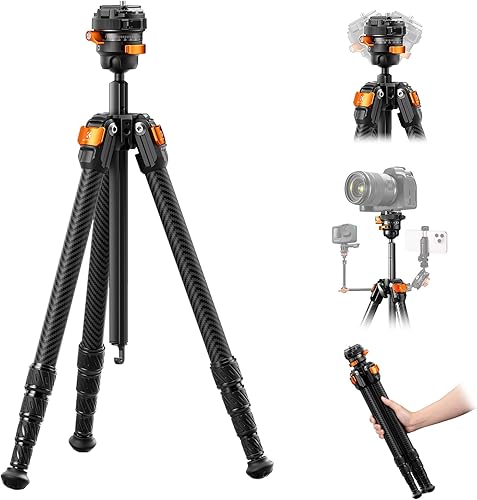
K&F Concept 60" Carbon Fibre Tripod
Tripod

K&F Concept 60" Carbon Fibre Tripod

View on Amazon
AODELAN Wireless Camera Remote (Nikon)
Accessory

AODELAN Wireless Camera Remote (Nikon)

View on Amazon
K&F LP-E17 3-pack Battery & Charger (Canon)
Accessory

K&F LP-E17 3-pack Battery & Charger (Canon)

View on Amazon
Winter Mittens Gloves
Accessory

Winter Mittens Gloves

View on Amazon
BORUIT LED Head Torch
Accessory

BORUIT LED Head Torch

View on Amazon