Travel guide
Northern lights Canada - complete travel guide
Canada sits directly under the auroral oval across much of its northern territory. From Yellowknife and Churchill in the north to the Rockies in the south, the country offers a wider range of aurora experiences than almost any other destination - from sub-Arctic wilderness to mountain-backed skies.
Why Canada is a world-class aurora destination
Canada's aurora advantage starts with geography. The auroral oval - the ring-shaped zone of maximum aurora activity that encircles the geomagnetic pole - passes directly over the country's northern territories. Yellowknife in the Northwest Territories and Churchill in northern Manitoba both sit at magnetic latitudes equivalent to Tromsø in northern Norway. At those positions, aurora is active at Kp 1-2: the minimum threshold, meaning displays occur on most clear nights during active solar periods.
The country also spans an enormous latitude range. Banff in Alberta sits at 52°N geographic - productive during moderate geomagnetic storms - while Dawson City in the Yukon pushes above 65°N geographic. That range means Canada offers aurora experiences for travellers who want both wilderness solitude and mountain scenery as a foreground.
The territory is vast and largely uninhabited. Outside a small number of towns, genuinely dark skies are essentially guaranteed across most of northern Canada. There are no cities for hundreds of kilometres north of Yellowknife. The boreal forest is Bortle 2 - the second-darkest classification on the scale. That combination of magnetic latitude and sky darkness puts Canada in the same category as Scandinavia's aurora belt, with the added advantage of a stronger infrastructure of English-speaking aurora lodges and guides.
Canada's aurora zones by region
The regions below are ordered by magnetic latitude, from highest (best threshold) to lowest. The Kp index measures geomagnetic activity on a scale of 0-9; the number listed is the minimum Kp required to see aurora from a dark site in that region.
Directly under the auroral oval. The benchmark Canadian destination and the most developed aurora tourism hub in the country.
Inside the auroral oval. Less developed for tourism than Yellowknife but exceptional dark skies and wilderness scenery. Whitehorse has scheduled flights from Vancouver.
Extremely remote - accessible only by air or rail. The only place where aurora and polar bear migration overlap in October and November.
Productive during moderate geomagnetic storms. Within reach of major airports and useful for travellers who cannot get further north.
Yellowknife - the benchmark
Yellowknife sits at 62°N geographic on the north shore of Great Slave Lake, one of the deepest lakes in North America. Its magnetic latitude of 69°N puts it directly under the auroral oval - the same band as Tromsø and Churchill - and aurora is active on approximately 240 nights per year. On a clear night with even minimal geomagnetic activity, the probability of seeing something is high.
The surrounding boreal forest delivers Bortle 2 conditions with no major cities for hundreds of kilometres in any direction. Aurora lodges outside the city - Blachford Lake Lodge, Aurora Village, and Frontier Lodge among others - position guests away from the town's modest light pollution and often include aurora wake-up call services so guests are not staring at the sky all night.
Access is straightforward by Canadian standards. Air Canada and Canadian North operate direct or single-connection flights from Toronto, Calgary, and Edmonton. Most aurora lodges provide transfers. The city itself - population around 20,000 - has hotels, restaurants, and an established tourism infrastructure built around aurora visitors.
Book 3-6 months ahead for February and March. Those months combine long darkness, statistically elevated geomagnetic activity around the spring equinox, and temperatures that - while still well below freezing - are less extreme than January. Lodge availability in peak season is limited and fills fast.
The Yukon - solitude and dark skies
Whitehorse and Dawson City offer aurora comparable to Yellowknife, but with a more rugged, less tourism-developed experience. Whitehorse at 67°N magnetic has regular scheduled flights from Vancouver on Air North and WestJet, making it the most accessible Yukon entry point. The city is smaller than Yellowknife and has fewer dedicated aurora facilities, but dark sky is minutes from the town centre.
Dawson City, at the confluence of the Yukon and Klondike rivers, sits inside the auroral oval at 65°N magnetic. The population is under 2,000 and minimal artificial lighting makes it one of the darkest inhabited places in Canada. The Klondike gold rush heritage gives it a strong sense of place beyond its aurora credentials.
Roads between Whitehorse and Dawson City are open year-round, though winter driving on the North Klondike Highway requires appropriate tyres and preparation. For travellers who want solitude alongside aurora - and are comfortable with self-sufficient travel - the Yukon is the better choice over Yellowknife. The absence of tour groups, the emptiness of the highway, and the scale of the wilderness are a different experience to the lodge-based tourism of the Northwest Territories.
Churchill - aurora and polar bears
Churchill in northern Manitoba occupies a position that is unique in the world. At 59°N geographic and 69°N magnetic, it sits inside the auroral oval with the same low Kp threshold as Yellowknife. The aurora season runs October to April. But Churchill adds something no other aurora destination offers: in October and November, polar bears migrate through the tundra south of town on their way to the Hudson Bay ice. The same week you might watch aurora can include a morning tundra buggy trip through a polar bear congregation.
Access is the sticking point. Churchill has no road connection to the rest of Canada's highway network. Getting there means a flight from Winnipeg (roughly 2 hours) or the VIA Rail train from Winnipeg, which takes approximately 40 hours. Both are more expensive than flying to Yellowknife, and accommodation costs are higher due to the remoteness. Budget significantly more per night than you would in Yellowknife.
Beluga whale season runs July to August, outside the aurora season. Birding during spring migration is exceptional. Churchill is a destination that rewards repeat visits in different seasons - but for aurora specifically, the October-November overlap with polar bears is the reason most travellers make the journey.
Canadian Rockies - Jasper and Banff
Jasper National Park holds International Dark Sky Preserve status - a UNESCO-recognised designation covering the entire park. At 52°N geographic and 53°N magnetic, Jasper needs Kp 4-5 to see aurora, so it is productive during moderate geomagnetic storms rather than quiet nights. But when conditions align, the foreground is unmatched: jagged peaks, the Columbia Icefield, and Maligne Lake provide visual structure that sub-Arctic tundra cannot match.
Banff is more accessible from Calgary (90 minutes by road) but sits at 58°N magnetic and requires Kp 3-4. Both parks strictly control artificial lighting within their boundaries, which gives genuinely dark conditions for their latitudes. Lake Minnewanka near Banff and the Icefields Parkway between Banff and Jasper are the primary aurora photography locations.
The Rockies are a different category of aurora experience from the north. You will not see aurora on most clear nights - you need to monitor the Kp forecast actively and have flexibility to change plans when a storm arrives. For travellers who are combining a Rockies holiday with opportunistic aurora watching, Jasper in particular can deliver exceptional results. For travellers whose sole purpose is aurora, the northern destinations are more reliable.
When to go
The Canadian aurora season runs from August to April. The equinox months - September and March - produce the most frequent geomagnetic storms, a pattern that holds across aurora destinations globally. More solar wind hits Earth's magnetosphere around the equinoxes due to the orientation of the geomagnetic field relative to the sun. Both months are statistically more active than deep winter. See the full month-by-month guide for the data.
January and February have the longest hours of darkness in Yellowknife - nearly 17 hours of night at the winter solstice - but temperatures routinely drop to -35°C or below. That is manageable with correct gear, but it adds preparation time and shortens how long you can comfortably stand outside. March offers a compromise: darkness extends well past midnight, geomagnetic activity is high around the equinox, and average temperatures in Yellowknife rise to around -15°C, with -25°C nights rather than -40°C.
September is the best autumn option. Darkness returns after the summer white nights, aurora probability picks up sharply after the equinox, and temperatures in Yellowknife are still above -10°C. The disadvantage is that September sees more cloud and precipitation than February or March. October is a strong compromise in the Yukon and Northwest Territories, and the only month that also works for polar bears in Churchill.
Practical considerations
Cold gear is non-negotiable: -30°C is standard in Yellowknife; -40°C is possible. A base layer of merino wool or synthetic thermal fabric, a mid-layer of down or fleece, and a windproof outer shell are the minimum. Boots must be rated to at least -40°C. Mittens over liner gloves. A balaclava to cover exposed facial skin. Spending three hours outdoors at -35°C is achievable with the right kit and miserable without it.
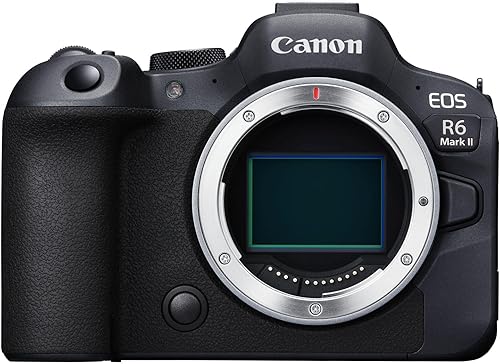
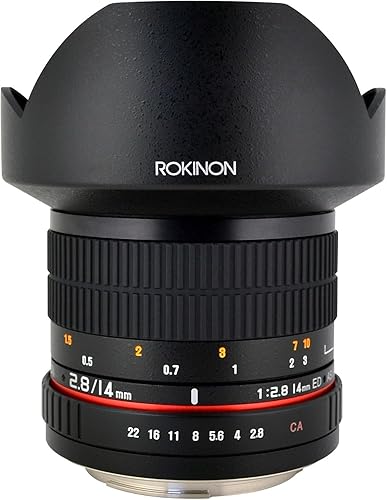
Electronics in extreme cold: camera batteries discharge to 20-30% of their normal capacity at -30°C. Carry multiple spare batteries and keep them inside your jacket until needed. Phone batteries die faster still - use a hand-warmer pouch to keep your phone functional. Lens condensation is a problem when moving between cold outside and warm inside: allow gear to warm slowly in a bag before opening cases indoors.
Book in advance: aurora lodges outside Yellowknife, particularly Blachford Lake, fill 3-6 months ahead for February and March. Churchill accommodation for the October polar bear and aurora overlap books even earlier. Do not plan these trips on short notice.
Winter driving: renting a vehicle in the Yukon or driving to dark sky sites requires winter tyres. Most Canadian rental agencies provide them in winter as standard in northern regions, but confirm when booking. Some Yukon routes include ice roads - check conditions with local authorities before setting out. Driving at night in the Northwest Territories means watching for bison on the highway; they are dark-coloured and difficult to see at speed.
Travel insurance: remote medical evacuation from Yellowknife to Edmonton or Winnipeg is expensive. From Churchill, the costs are higher still. Ensure your travel insurance explicitly covers extreme-cold activities and medical evacuation from remote locations. Standard travel policies sometimes exclude sub-zero outdoor activities.
Related pages
Canada Aurora Forecast
Live Kp and cloud cover for Yellowknife, Churchill, Whitehorse, and more.
Northern Lights Yellowknife Tonight
Canada's aurora capital - live forecast and conditions.
How to Plan a Northern Lights Trip
Complete planning guide covering booking, packing, and expectations.
Best Time to See the Northern Lights
Month-by-month aurora season guide.
What Is the Kp Index?
Understanding Kp thresholds for Canadian locations.
Aurora Photography Gear
Equipment for aurora photography in extreme cold.
Common questions
Planning your Canada aurora trip - locations, timing, and what to expect.