Northern lights in Lake Tekapo tonight
Mackenzie Basin, South Island, New Zealand · 56° magnetic latitude · Kp 3–4 threshold
Kp 1 is well below the Kp 3–4 threshold needed for aurora to be visible from Lake Tekapo.
7-day outlook for Lake Tekapo
Based on CME arrival predictions from NASA DONKI. Arrival times ±6 hours.
auroratonight.space
What Kp is needed here?
Lake Tekapo sits at a magnetic latitude of approximately 56°S. The Kp index - a global measure of geomagnetic activity on a scale from 0 (quiet) to 9 (extreme storm), updated every 3 hours - needs to reach Kp 3–4 before the auroral oval expands far enough north to be visible from here.
At Kp 3–4, visibility is possible from Lake Tekapo but skies need to be clear and dark. Cloud cover and light pollution remain the main obstacles even when Kp is high enough.
Best dark sky sites near Lake Tekapo
Light pollution is the biggest obstacle after cloud cover. These sites give you the best dark southern horizon within reach.
Church of the Good Shepherd lakefront
Get directions ↗The stone church on the southern shore of Lake Tekapo faces south across the lake. The building silhouette, the dark lake, and the open southern sky beyond are among the most reproduced aurora australis images in New Zealand. The reserve's dark sky designation keeps artificial light to the minimum required for safety. The lakefront here is Bortle Class 1-2 - comparable to the best observatory sites. The church is publicly accessible at all hours.
Mount John Observatory
Get directions ↗University of Canterbury's research observatory at 1,029 m on the summit above the lake. Commercial dark sky tours are available through Earth and Sky New Zealand. The summit gives a 360° view with no nearby settlement lights - Bortle Class 1 from most directions. The southern horizon extends over the Mackenzie Basin to the distant Southern Alps. Star parties run by the observatory include aurora watch sessions during active periods.
Mackenzie Basin farmland
Get directions ↗The flat tussock farmland south of the lake towards Twizel gives a completely unobstructed southern horizon. The basin floor at 700 m is above valley haze and the high, dry air (rain shadow of the Southern Alps) gives clear conditions more nights per week than almost anywhere in New Zealand. Pulling off the road onto a farm track gives a flat 360° dark sky with the Southern Alps lit on the horizon. One of the simplest dark sky positions accessible from Tekapo.
Best time to see the aurora australis in Lake Tekapo
Lake Tekapo's aurora australis season runs from April through August, centred on the southern winter when nights are longest and darkest. The equinox months of March and September bring a boost in geomagnetic activity. Summer months bring too much twilight for aurora to show at this latitude.
Activity peaks around the March and September equinoxes, when Earth's magnetic field geometry is most favourable for coupling with the solar wind. These windows produce the strongest aurora australis events of the year for observers at this latitude.
October through February brings persistent twilight that washes out the aurora australis. Strong events during these months remain invisible because the sky never gets dark enough.
Other New Zealand aurora forecasts
Up to 8 locations
How often does the aurora appear in Lake Tekapo?
Average nights per month the Kp reached Lake Tekapo's threshold of 3+, from 15 years of geomagnetic data (2010–2024).
Counts the Kp 3+ threshold only - cloud cover and local darkness are not included.
Kp data: GFZ German Research Centre for Geosciences, CC BY 4.0
Plan your trip to Lake Tekapo
Best window
The August to October window averages 38 aurora nights - the strongest consecutive stretch of the year.
How long to stay
For your best chance in March, plan at least 3 nights.
Aurora activity peaks at the March and September equinoxes in both hemispheres. This is driven by the angle of Earth's magnetic field relative to the solar wind, not by local seasons. Winter months at this latitude offer longer dark nights for observing, but March and September average the highest number of aurora nights in the historical data.
Related pages
Aurora Australis New Zealand
New Zealand aurora hub with current Kp status.
Read →Aurora Australis Queenstown Tonight
Queenstown - Remarkables dark sky, 90 minutes south.
Read →Aurora Australis Wānaka Tonight
Wānaka - Lake Wānaka and the lone willow foreground.
Read →What Is the Kp Index?
How Kp 3-4 produces aurora australis at 56°S.
Read →Northern Lights Photography
Camera settings for Church of the Good Shepherd aurora.
Read →Aurora photographs from Lake Tekapo
Real photos sourced from Wikimedia Commons.
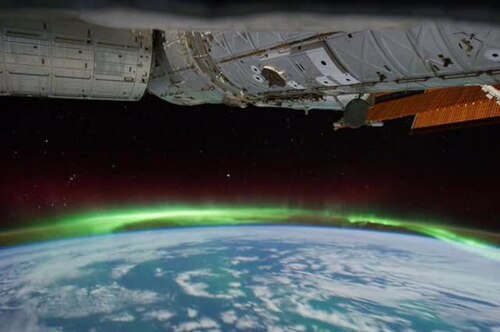 Aurora over Lake Tekapo
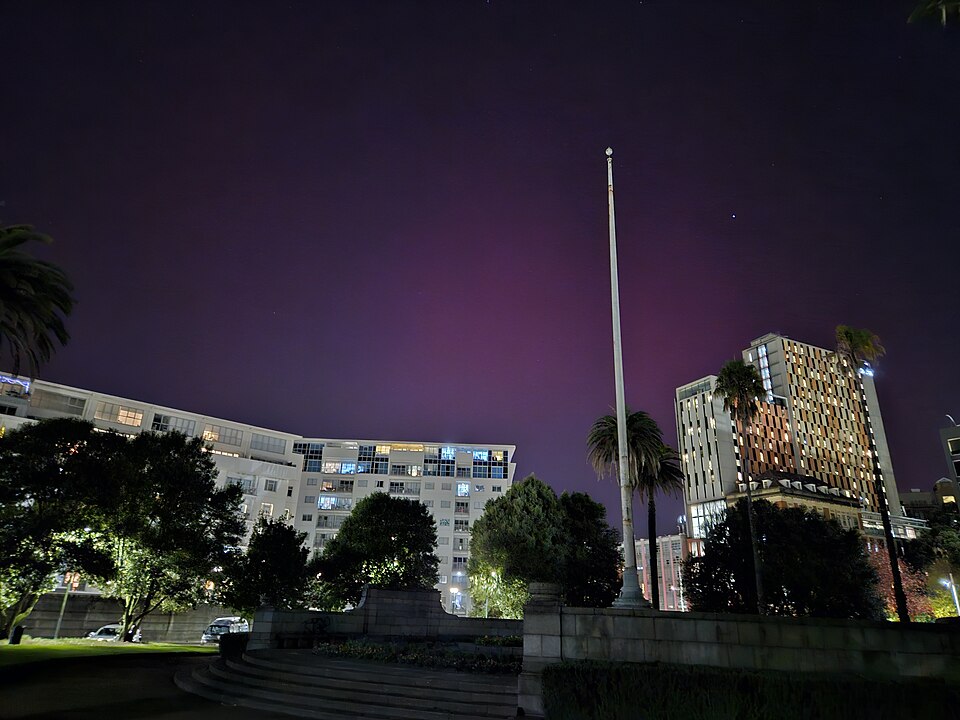 Aurora over Lake Tekapo
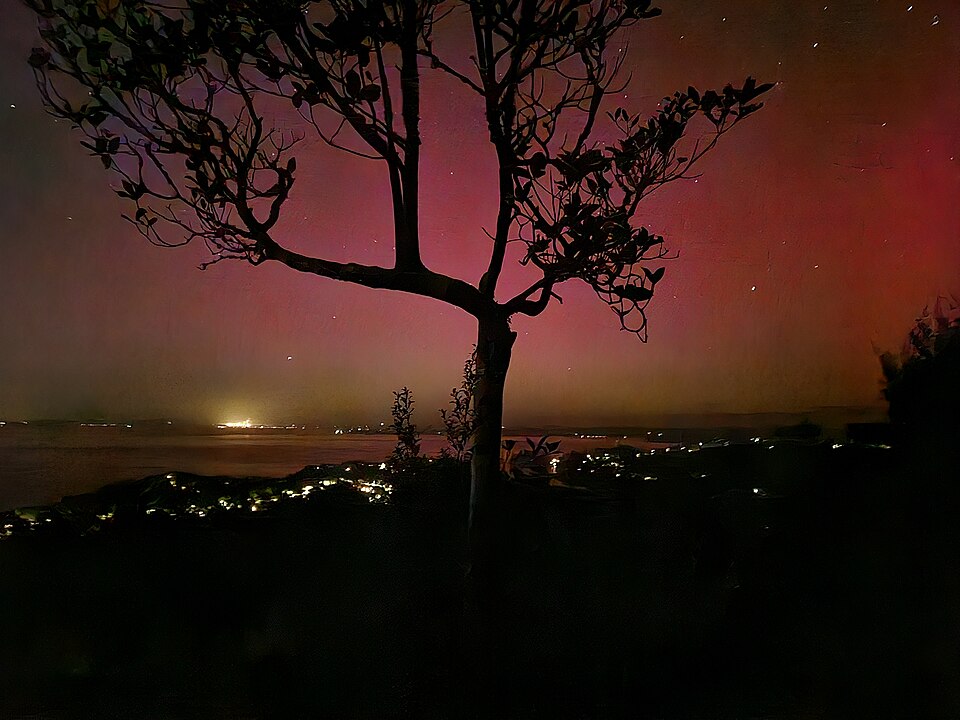 Aurora over Lake Tekapo
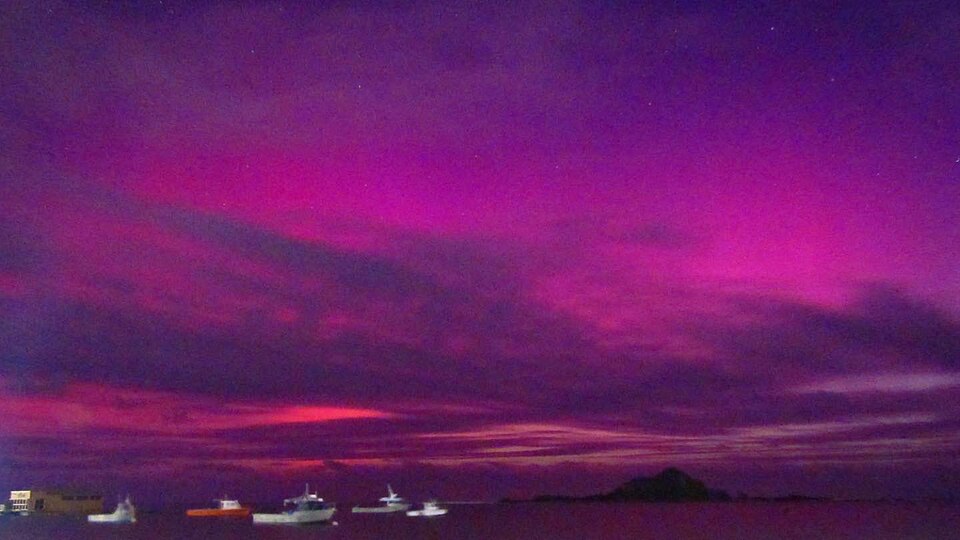 Aurora over Lake Tekapo
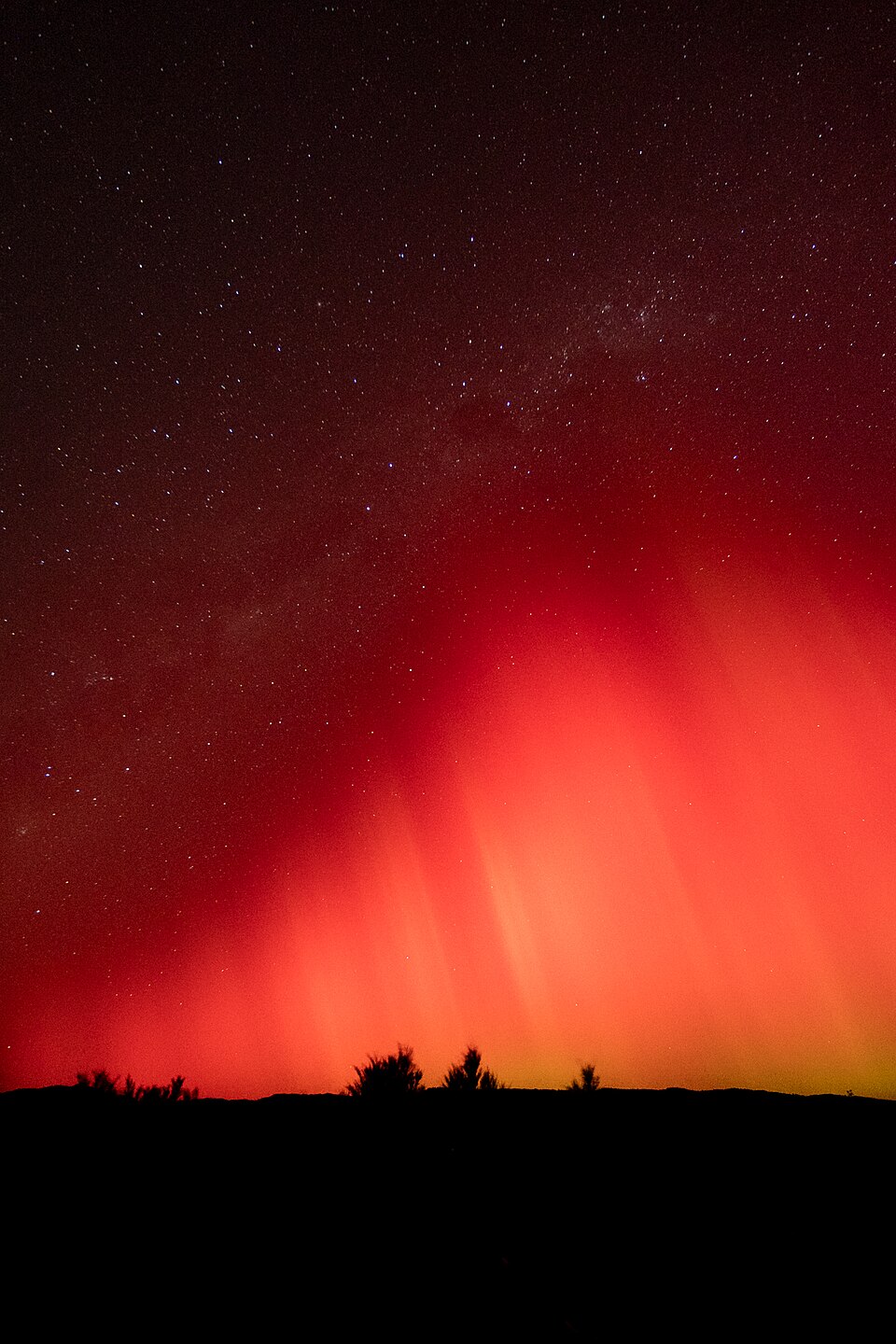 Aurora over Lake Tekapo
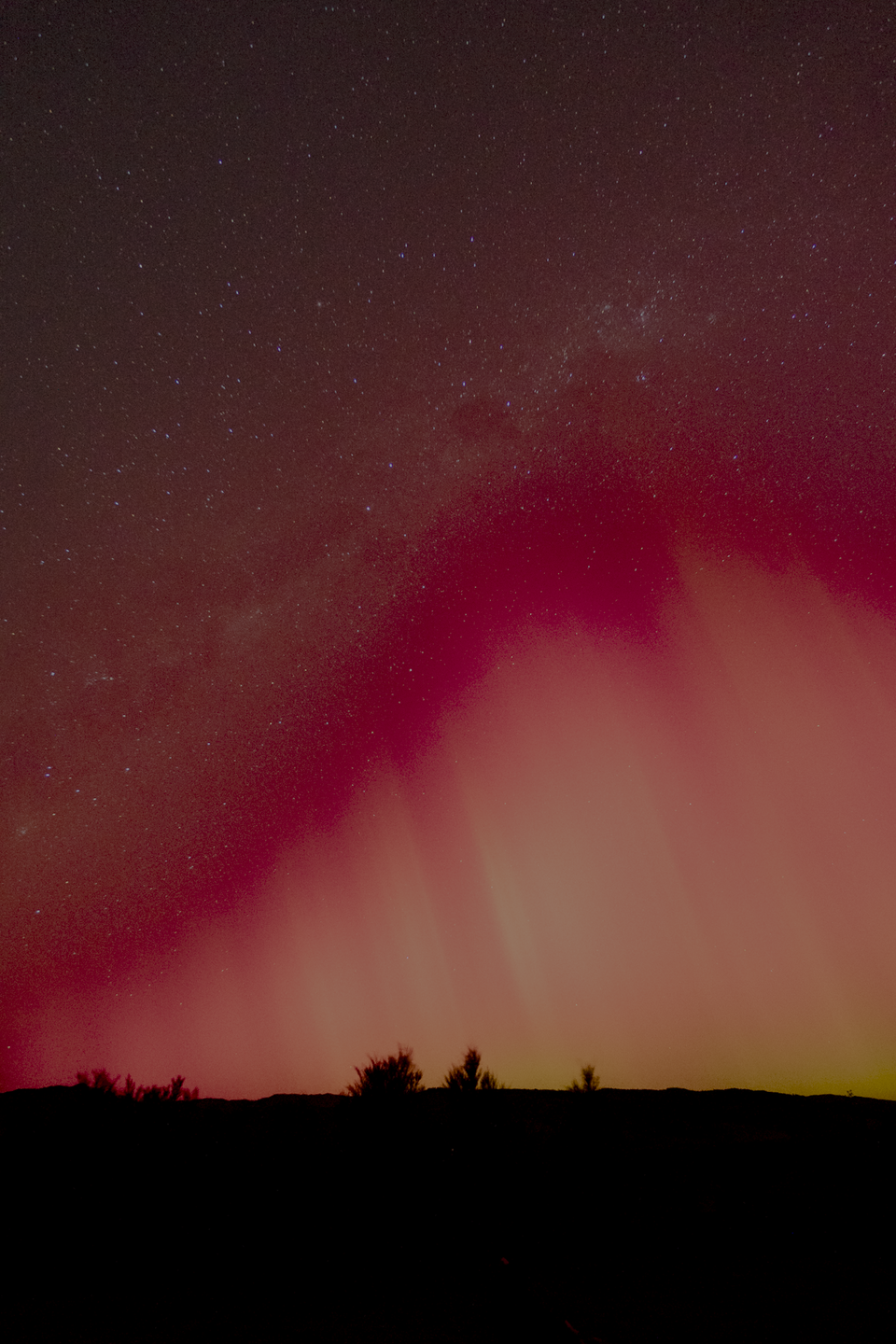 Aurora over Lake Tekapo
Planning your aurora trip
In-depth guides to help you plan a trip to see the northern lights.
 Travel GuideNew Zealand
New Zealand Aurora Australis Guide Best Locations
Lake Tekapo, Fiordland, Stewart Island, and Wanaka - where to see aurora australis in New Zealand and what Kp you need.
 Travel GuideAll destinations
How to Plan a Northern Lights Trip
Destination, timing, accommodation, app setup, and how to read a space weather forecast.
 PlanningAll destinations
Best Time to See the Northern Lights
Month-by-month breakdown of aurora probability, darkness windows, and weather patterns.