Set realistic expectations first
This is the most important section. Aurora depends on two factors outside your control: geomagnetic activity (the Kp index) and cloud cover. Both need to cooperate simultaneously. A week in Tromsø during October does not guarantee a sighting - but it gives you a good probability.
A realistic 5-night trip to northern Norway in October looks like this: perhaps 3-4 nights with Kp at or above the threshold for visible aurora; of those, 1-3 might have acceptable cloud cover; of those, the aurora may be faint on one night and genuinely bright on another. One strong display in five nights is a success. Two is a strong trip.
This is not pessimism - during the solar maximum (2024-2026), Kp events are more frequent than average and the windows are longer. But cloud cover is what it is. Plan the trip so that it has value even if aurora does not appear, and treat any display as the reward for good planning rather than something owed.
Choosing your destination
Want maximum aurora probability
Tromsø, Yellowknife, or Abisko. All sit at 67-70°N, inside or very close to the auroral oval, with Kp 2 thresholds. Tromsø has the best guided tour infrastructure. Yellowknife has the most reliably clear skies of the three. Abisko has the microclimate advantage.
Want other activities alongside aurora
Iceland or the Lofoten Islands. Both have dramatic non-aurora landscapes and activities that justify the trip independently. Iceland's south coast, glacier lagoons, and geothermal features fill a week regardless of space weather - compare hire prices on GetRentacar for the 4WD required in winter.
Want guaranteed polar darkness
Finnish Lapland (Saariselkä, Levi, Luosto) during polar night. The glass igloo and aurora cabin experience works best here. Kp 2 threshold. November to January gives 24-hour darkness.
Budget-conscious, UK-based
Scotland. No flights required. Drive to a dark site in the Highlands, Orkney, or Shetland. The Kp threshold is higher (Kp 3-4 for the mainland) but during solar maximum, events that reach Scotland happen dozens of times per year.
Adventure seeker
Svalbard or Ilulissat, Greenland. Extreme environments, logistics requiring more planning, and aurora from inside the auroral oval at Kp 1. Not for first-time Arctic travellers.
The full comparison of the two most popular destinations is in the Norway vs Iceland guide.
When should you book?
The aurora season runs September to April. The strongest months are September, October, February, and March - when geomagnetic activity peaks around the equinoxes. November to January gives the longest nights but slightly lower statistical aurora probability.
Glass igloo cabins and dedicated aurora lodges in Finnish Lapland book out 6-12 months ahead for peak weeks (Christmas, New Year, February half-term). Guided tours in Tromsø can be booked 2-4 weeks ahead outside peak school holidays, but prices rise as dates approach. For Iceland and Scotland self-drive trips, 4-6 weeks ahead is usually sufficient outside peak season. Search flights to Reykjavik on Aviasales early to compare prices across UK airports.
Book trip insurance that covers weather-related disappointment if aurora is important to you. Some specialist aurora tour operators offer partial refunds or rebooking credits if conditions are poor - worth checking before committing.
How to monitor the aurora forecast
The live forecast on this site shows the current Kp, the 7-day outlook from NASA DONKI, and incoming coronal mass ejections. Check it daily in the week before your trip and every few hours during the trip itself.
NOAA Space Weather Center: the authoritative source for geomagnetic storm watches and warnings. Sign up for email alerts at threshold Kp values.
Cloud cover: use the local Met Office, yr.no (Norway), or the Clear Outside app. Aurora and cloud cover need to be checked separately - they are entirely independent factors.
Timing: Kp peaks and aurora activity are often concentrated in the hours around local midnight. Check the forecast again when you get back from dinner, not just in the morning.
Real-time magnetometer data: during active events, live magnetometer readings (available from several apps) give faster updates than the 3-hour Kp average.
What to pack
Standing still outdoors at -5 to -20°C for 90 minutes is significantly colder than walking. Pack accordingly. The full list is at the what to wear guide, but the essentials are:
Thermal base layers
Top and bottom. Merino or synthetic - avoid cotton.
Insulating mid-layer
Down or fleece jacket. A lightweight down jacket packs small.
Waterproof outer shell
Wind and water resistant. Not needed in dry conditions but worth having.
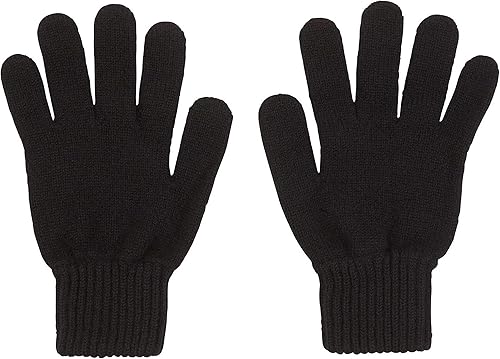
Warm gloves
Proper winter gloves, not fashion gloves. Thin liner gloves underneath for camera use.
Hat and neck gaiter
Covering ears is essential. A balaclava for temperatures below -10°C.
Thermal socks and boots
Feet get cold fastest when stationary. Insulated, waterproof boots.
Hand warmers
Chemical warmers for pockets and camera battery bag. Cold drains batteries in 30-60 minutes.
Head torch (red mode)
Red light preserves night vision. White torches ruin dark adaptation immediately.
Photography basics
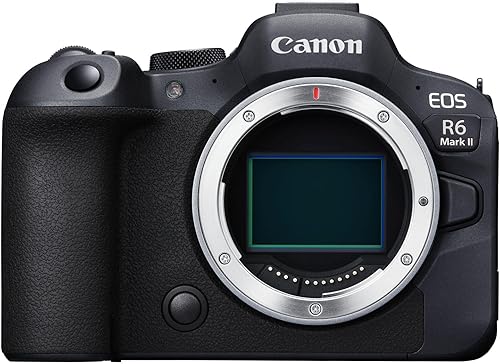
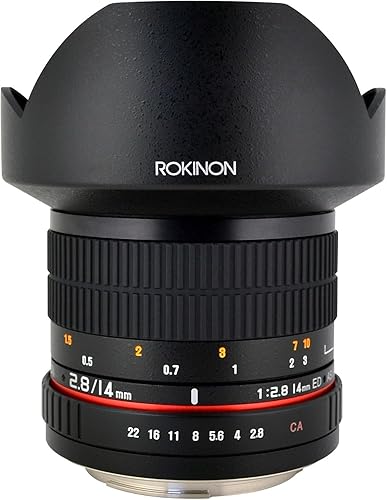
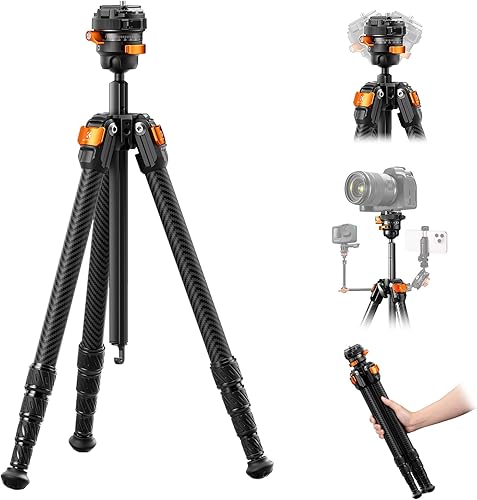
You need a camera with manual exposure control, a fast wide-angle lens (f/2.8 or faster), and a sturdy tripod. Starting settings: ISO 1600, f/2.8, 10 seconds. Modern smartphone flagships can capture aurora in astrophotography mode during bright displays. The full guide - settings, lenses, focus technique, and composition - is at northern lights photography, and camera-specific settings at aurora photography settings.
The practical point: always try photographing regardless of what you can see with the naked eye. A 10-second exposure at ISO 1600 will show aurora that appears as only a slight brightening of the horizon. Knowing whether there is any activity at all is easier through the camera than by staring.
Should you take a guided tour or self-drive?
A guided tour adds the most value in Tromsø and northern Norway, where cloud-chasing by vehicle - driving 50-100 km to find a clear gap - is standard practice. Guides know which direction the cloud is moving, which roads give safe access to dark sky positions, and when to stay put versus when to move. For first-time visitors with limited time, a guided tour on at least one night significantly raises the success rate.
Self-drive works well in Iceland, Scotland, and destinations with a clear road network and weather forecasts accessible in English. In Iceland, the Ring Road gives access to most dark sky positions; in Scotland, driving to a dark site takes 30-60 minutes from any major city. The flexibility to leave immediately when a forecast looks promising is a genuine advantage of self-drive.
In Tromsø specifically: book one guided tour and use the guide's local knowledge. Then self-drive on subsequent nights using what you learned. This combines local expertise with personal flexibility. Browse tours on Klook to compare Tromsø operators and rebooking terms before committing.
Managing disappointment
Cloud cover ruins more aurora trips than lack of geomagnetic activity. Accepting this before you go - and planning accordingly - makes a difference. Have daytime activities booked: glacier walks, dog sledding, whale watching, snowmobile tours. These are enjoyable regardless of the night sky.
A longer trip gives better statistical coverage. Three nights with cloud cover is common and not unusual. If you have five nights, the odds of at least one clear, active night are significantly higher. If budget allows, book one more night than you think you need.
If aurora did not appear and you want to try again, shoulder season (April in particular) often has lower prices and decent aurora probability. A second attempt to the same destination with different timing is often the most effective strategy - you will know the location, the forecast services, and the dark sky spots from the first trip.