Travel guide

Northern lights Iceland - complete travel guide

Iceland is one of the most accessible aurora destinations on Earth. Low Kp thresholds, a well-maintained road network, and a landscape that rewards photography even on cloudy nights make it a natural starting point for first-time aurora travellers and a destination worth returning to for the experienced.

Can you see the northern lights in Iceland?

Yes - regularly. Iceland sits between 64°N and 66°N, placing it inside or on the edge of the auroral oval during most geomagnetic events. The practical result is a low Kp threshold: most of Iceland sees aurora at Kp 2-3, which is one of the lowest requirements of any popular aurora destination. Stronger events at Kp 4 or above produce aurora visible across the entire country.

The constraint is not geomagnetic activity - it is cloud cover. Iceland sits in the North Atlantic, where weather systems move through quickly. A clear window of even two to three hours is enough for a good sighting. The strategy is to monitor the cloud forecast closely and be prepared to drive towards clear sky.

During the current solar maximum (2024-2026), Kp events that reach Iceland's threshold are happening more frequently than average. Conditions this cycle are among the most active in two decades.

Best locations for aurora in Iceland

Iceland's compact road network means you can reach world-class dark sky spots from almost any base in under two hours. These are the locations worth prioritising.

Reykjavik

The city centre is too bright for faint aurora, but two spots on the outskirts work well. Grótta lighthouse on the Seltjarnarnes peninsula gives a clear northern horizon and is 20 minutes from the centre. Öskjuhlíð hill near the Perlan museum removes much of the urban glow. For Kp 3 events, these are entirely adequate. For fainter displays, drive 30-40 km out.

Jökulsárlón glacier lagoon

The single best foreground in Iceland for aurora photography. Icebergs calved from the Vatnajökull glacier float in the lagoon and reflect aurora overhead, giving a double image that no other location in Iceland matches. Around five hours from Reykjavik on Route 1. Dark skies in every direction, no light pollution.

Snæfellsnes peninsula and Kirkjufell

Kirkjufell mountain near Grundarfjörður is the most photographed aurora backdrop in Iceland. The distinctive peak with its adjacent waterfall gives an instantly recognisable composition. The Snæfellsnes peninsula as a whole offers dark skies and varied coastal scenery. Around two hours from Reykjavik.

Akureyri and north Iceland

At 65.7°N, Akureyri sits slightly further north than Reykjavik and benefits from a threshold close to Kp 2. The north of Iceland also tends to be drier than the south coast, which is important for cloud avoidance. Akureyri is the natural base for exploring the north - Lake Mývatn and the surrounding lava fields make excellent dark sky sites.

Westfjords

The darkest skies in Iceland. The Westfjords are remote, sparsely populated, and offer virtually no light pollution. Road access is more demanding than the Ring Road - some tracks require a 4WD and conditions change quickly in winter. Worth the effort for those who want genuine isolation.

Vík and the south coast

The black sand beaches at Reynisfjara near Vík give a dramatic open-sky foreground. The south coast is easily driveable from Reykjavik - Vík is about 2.5 hours east on Route 1. Waterfall locations like Seljalandsfoss and Skógafoss work well for aurora if the light is strong enough to illuminate the water.

When to go

The season runs September to April. Aurora is possible any night during this window if conditions align. The equinox months - September and March - are statistically the most active, because solar wind interacts with Earth's magnetic field more efficiently around the equinoxes. This effect is modest but consistent across multiple solar cycles.

Cloud cover varies significantly by region. The south coast and Reykjavik area receive the heaviest precipitation - this is the wettest part of Iceland. Akureyri in the north is sheltered by the mountains of the interior and gets markedly fewer rainy days. The Westfjords are variable. If cloud avoidance is your priority, basing yourself in the north or being willing to drive between regions gives the best results.

October to November and February to March offer a good balance: long enough nights, reasonable temperatures for outdoor photography, and aurora probability that is high relative to midsummer. January is the darkest month but not the most active for space weather.

What Kp level do you need in Iceland?

Iceland's latitude gives it one of the lowest Kp thresholds of any accessible tourist destination. The breakdown by location, under clear skies:

Akureyri and north Iceland

Kp 2 is sufficient. At this level, aurora appears as a low green arc or diffuse glow on the northern horizon. Not spectacular, but clearly visible and photographable.

Jökulsárlón, Snæfellsnes, rural south Iceland

Kp 2-3. Dark sky locations away from any settlements. At Kp 3, expect visible structure and movement in the display, not just a static arc.

Reykjavik outskirts (Grótta, Öskjuhlíð)

Kp 3 as a working minimum. The residual city glow drowns fainter events. At Kp 4+, aurora is obvious even from these locations.

Kp 5 and above

Aurora is visible from anywhere in Iceland with clear sky, including Reykjavik's centre. Stronger events produce overhead displays with colour visible to the naked eye.

For a full explanation of the scale, see the Kp index guide.

Self-drive vs guided tour

Self-drive is the better choice for most visitors to Iceland. The Ring Road (Route 1) circles the entire island and gives access to every major dark sky location. Road signage is in English throughout. Rental cars are available at Keflavík airport and Reykjavik from multiple operators. The ability to leave immediately when a forecast looks promising - and drive away from cloud - is a real advantage.

Guided tours from Reykjavik work well for those who do not want to drive or are unfamiliar with reading cloud forecasts. Most operators use minibuses and chase clear sky within a 100-150 km radius. The quality varies - look for operators who offer rebooking on subsequent nights if conditions are poor.

One important restriction: F-roads (highland interior tracks, marked with a capital F on route signs) require a 4WD vehicle and are closed in winter. Never drive F-roads in a standard rental car. Stick to paved roads and the main gravel routes on the Ring Road circuit.

The midnight sun problem

From late May to late July, Iceland has no astronomical darkness. The sun barely dips below the horizon, and the sky never reaches the level of darkness needed to see aurora - regardless of how high the Kp index climbs. This is not a marginal effect. In June, the sky at midnight looks like late evening. Aurora cannot compete with that level of ambient light.

Late August marks the return of useful darkness, but astronomical twilight still compresses the window in early September. By mid-September, nights are genuinely dark enough for aurora photography.

Do not book a summer trip to Iceland with aurora as the objective. It will not work. The aurora season begins in September and ends in April.

Photography in Iceland

Iceland offers a foreground range that few aurora destinations match: active volcanoes, glaciers, lava fields, waterfalls, black sand beaches, and iceberg lagoons. A wide-angle lens is the practical choice - something in the 14-24mm range at f/2.8 or faster gives enough sky while capturing the foreground. A sturdy tripod is non-negotiable. Wind near the coast can move a lightweight tripod during a 10-15 second exposure.

Full technique guidance is at northern lights photography, and recommended camera and lens choices are covered in the aurora photography gear guide.

Iceland vs Norway

Both destinations offer aurora at similar Kp thresholds. Norway's north - Tromsø and Lofoten - has a more developed guided tour ecosystem and, in the far north, slightly higher latitude. Iceland wins on landscape variety and self-drive accessibility. The choice often comes down to what you want from the rest of the trip. A full comparison is in the Norway vs Iceland guide.

Common questions

Iceland aurora season, locations, Kp thresholds, and practical logistics.

When does aurora season start in Iceland?
The season runs from early September to late April. Late August occasionally works if astronomical darkness has returned, but September is the first reliable month. The midnight sun rules out May, June, and July entirely - there is no usable darkness during those months regardless of solar activity. March and September are statistically the strongest months due to equinox effects on geomagnetic activity.
Do I need a car to see aurora in Iceland?
A rental car transforms your options in Iceland. Without one, you are dependent on guided tours from Reykjavik, which can be excellent but limit your flexibility. With a car, you can drive away from cloud cover, chase forecasts across the south coast, and stop at dark viewpoints along the Ring Road at any hour. Roads in Iceland are well-signposted in English. Note that F-roads (highland interior tracks) require a 4WD and are closed in winter - stick to paved roads and gravel Route 1 in the dark season.
Is Reykjavik good for aurora?
Reykjavik itself is too light-polluted for faint displays, but the outskirts work well when aurora is active. Grótta lighthouse on the Seltjarnarnes peninsula is 20 minutes from the city centre and gives a clear northern horizon. Öskjuhlíð hill near Perlan removes much of the city glow to the north. For anything above Kp 3, these spots are worth trying before driving further. For faint Kp 2 events, head at least 30-40 km out of town.
What Kp is needed for Iceland aurora?
Iceland sits between 64°N and 66°N, which means most of the country needs only Kp 2-3 to see aurora under clear skies. Akureyri in the north can see activity at Kp 2. From Reykjavik's darker outskirts, Kp 3 is a reliable working threshold. During stronger events (Kp 4+), aurora is visible from almost anywhere in Iceland with clear skies, including city edges. The Kp index guide on this site explains exactly how the scale works.
Can I see aurora from the Blue Lagoon?
Technically yes - the Blue Lagoon is about 45 minutes from Reykjavik and sits in a lava field with reasonably dark skies to the south and west. During active nights (Kp 3+), aurora is visible from the open-air pools. However, the steam rising from the geothermal water can obscure the sky directly overhead, and the facility's own lighting affects the view. It is a pleasant aurora experience if you happen to be there during an active night, but it is not a dedicated dark sky location. Don't book it specifically for aurora.

Photograph the Aurora - Recommended Gear

This page contains affiliate links. As an Amazon Associate I earn from qualifying purchases.

Sony Alpha 7 III Mirrorless Camera
Camera

Sony Alpha 7 III Mirrorless Camera

View on Amazon
Nikon Z6 II Mirrorless Camera Kit
Camera

Nikon Z6 II Mirrorless Camera Kit

View on Amazon
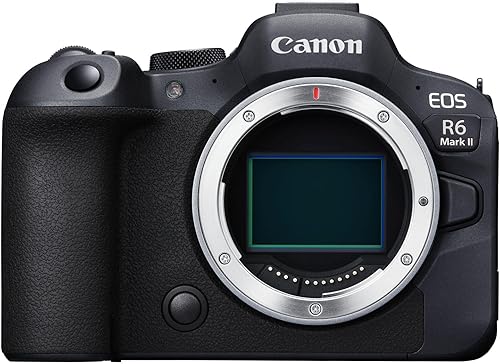
Canon EOS R6 Mark II
Camera

Canon EOS R6 Mark II

View on Amazon
Nikon Z 50II Body
Camera

Nikon Z 50II Body

View on Amazon
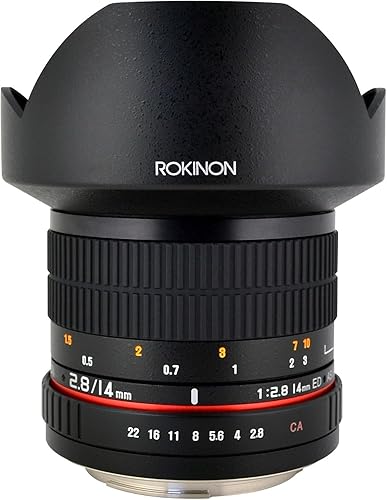
Rokinon 14mm F2.8 Ultra Wide Lens
Lens

Rokinon 14mm F2.8 Ultra Wide Lens

View on Amazon
Sigma 16mm f1.4 DC DN Contemporary
Lens

Sigma 16mm f1.4 DC DN Contemporary

View on Amazon
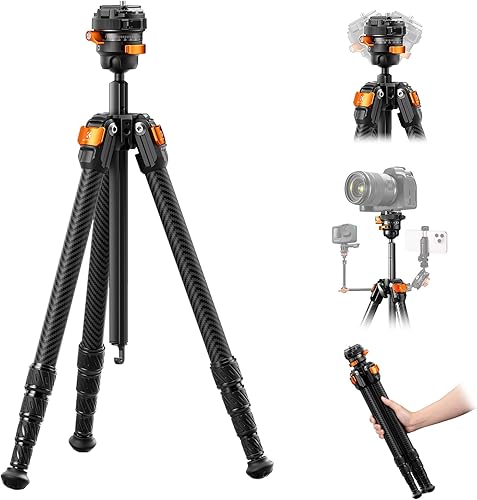
K&F Concept 60" Carbon Fibre Tripod
Tripod

K&F Concept 60" Carbon Fibre Tripod

View on Amazon
AODELAN Wireless Camera Remote (Nikon)
Accessory

AODELAN Wireless Camera Remote (Nikon)

View on Amazon
K&F LP-E17 3-pack Battery & Charger (Canon)
Accessory

K&F LP-E17 3-pack Battery & Charger (Canon)

View on Amazon
Winter Mittens Gloves
Accessory

Winter Mittens Gloves

View on Amazon
BORUIT LED Head Torch
Accessory

BORUIT LED Head Torch

View on Amazon