 Iceland
 Featured · Travel Guide  Read the guide →
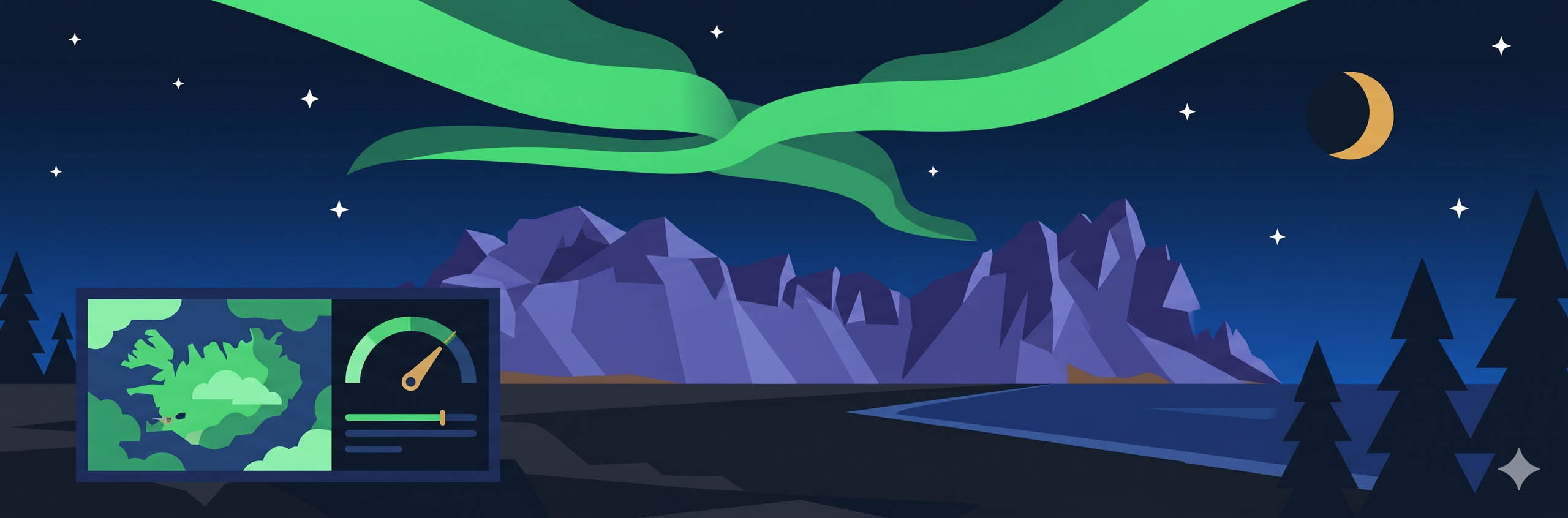
Northern Lights Iceland - Complete Travel Guide
Best locations, when to go, Kp thresholds, and what to expect across the island.
Read the guide → Everything from live forecast interpretation to multi-week trip planning. Guides cover the science behind aurora, the best destinations by country, photography technique, and how conditions vary month by month.
Iceland Best locations, when to go, Kp thresholds, and what to expect across the island.
Read the guide → Real probability by trip length, plus latitude, weather patterns, landscapes, cost, and accessibility compared head to head.
Best locations, when to go, Kp thresholds, and what to expect across the island.
Tromsø, Lofoten, Svalbard, and the rest - planning a Norway aurora trip from scratch.
Finnish Lapland, glass igloos, husky safaris, and the best aurora windows by month.
Lapland spans three countries, not one - real Kp data comparing Finnish, Swedish, and Norwegian Lapland, plus Sápmi cultural context.
Yukon, Northwest Territories, Manitoba - where to go and when the aurora is strongest.
Shetland, Orkney, Highland coasts, and Galloway Forest - the UK's best aurora destinations.
Destination, timing, accommodation, app setup, and how to read a space weather forecast.
The experiences worth planning around - from Jökulsárlón to Svalbard polar night.
Lake Tekapo, Fiordland, Stewart Island, and Wānaka - where to see aurora australis in New Zealand and what Kp you need.
Tasmania leads for aurora australis in Australia - Cradle Mountain, Hobart, and the south coast. What Kp is needed and when to go.
Malin Head, Donegal, Mayo, and Kerry - the best locations for northern lights in Ireland, Kp thresholds, and why cloud cover is the real challenge.
Wakkanai, Abashiri, and Hokkaido - where to see the northern lights in Japan, what Kp storm you need, and how to approach it as a winter trip bonus.
Norway fjords, Iceland circumnavigation, and Greenland cruises compared to land-based aurora viewing - plus Hurtigruten, Havila, HX, Ponant, Viking, Fred. Olsen, and NCL rated operator by operator.
How geomagnetic activity is measured, what the scale means, and how to use it tonight.
Solar wind, Earth's magnetosphere, and the physics behind the colours in the sky.
Why the north-south component of the interplanetary magnetic field matters more than Kp alone.
Solar cycle 25 is peaking. What that means for aurora frequency and visibility at mid-latitudes.
How aurora alert services work, what data they use, and how to set up reliable notifications.
What's different and what's the same about the northern and southern lights.
Kp, G-scale, and local magnitude - the different ways aurora strength is measured.
Latitude limits for each Kp level, with an interactive visibility map and a state-by-state US breakdown.
The OVATION model, DONKI notifications, and what NASA's data actually tells you.
Where on Earth you can see aurora during the weakest measurable geomagnetic activity.
Locations visible during Kp 2, typically including most of Norway, Iceland, and Finnish Lapland.
At Kp 3, aurora reaches northern Scotland, Alaska, and the upper Canadian provinces.
A moderate storm: aurora visible across Scotland, southern Canada, and the northern US.
G1 storm level. Aurora reaches mid-latitudes - England, Germany, and the northern US states.
G2 storm. Aurora reaches southern England, central Europe, and the mid-US states.
G3 storm. Aurora visible as far south as France, northern Italy, and the southern US.
G4 storm - a severe event. Aurora reaches the Mediterranean and parts of Mexico.
G5 extreme storm. The full auroral oval expands to subtropical and tropical latitudes.
Why northern lights are green, red, blue, and purple - the science behind each colour and what it tells you about activity.
What each NOAA G-scale level means for aurora visibility, how far south it pushes the oval, and how often each level occurs.
From a 15-minute substorm arc to a multi-hour sustained display - what to expect and how to maximise your viewing window.
Yes - but Kp level, dark adaptation, and light pollution all matter. What to expect at each activity level.
Kp 6-7 needed at 46°N magnetic latitude. The G5 storm of May 2024 produced aurora photographed from Šumava and across the country.
Kp 5 from the Baltic coast near Klaipėda. Lithuania at 55-56°N sees aurora during moderate storms - the Curonian Spit is the best position.
Kp 5 from the Baltic coast near Gdańsk. The Hel Peninsula and Masurian Lakes are Poland's best aurora positions during moderate storms.
Kp 7-8 needed at 44-47°N - aurora is rare but the G5 storm of May 2024 produced vivid displays from the Carpathians and Bucharest.
Everything to check and pack before heading out - forecast, clothing, kit, and on-site tips in a single checklist.
Settings, technique, composition, and how to judge whether conditions are worth shooting.
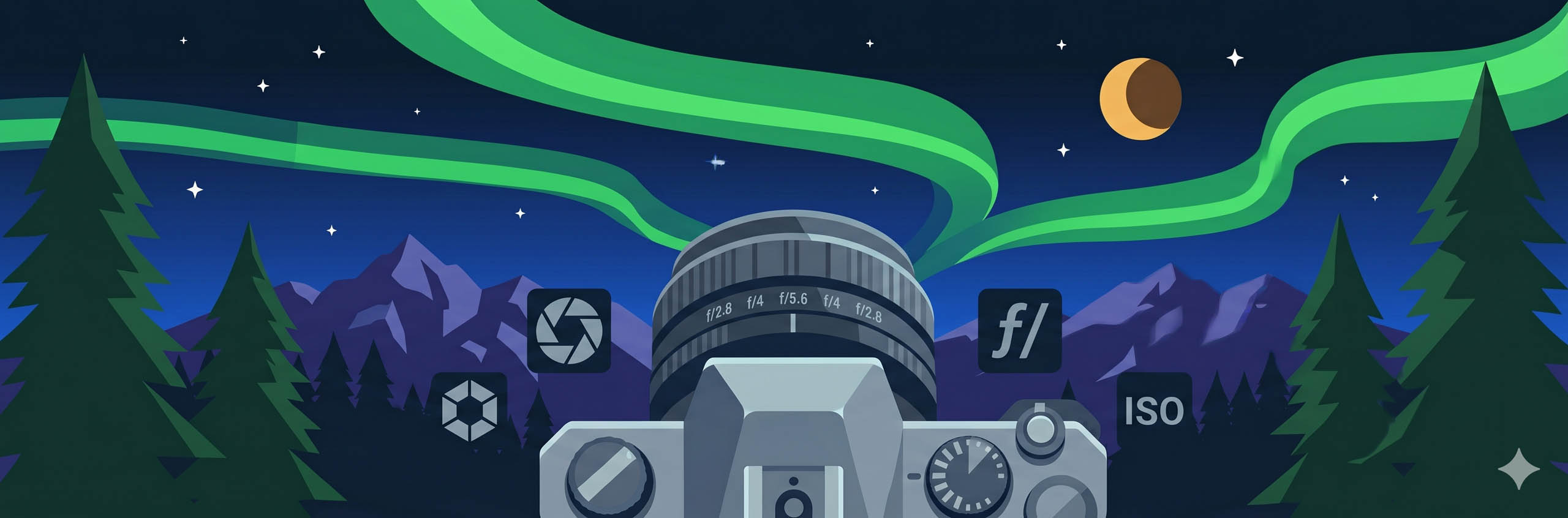
ISO, aperture, and shutter speed for aurora - with examples for different activity levels.
First aurora shoot? Start here - equipment, setup, and common mistakes to avoid.
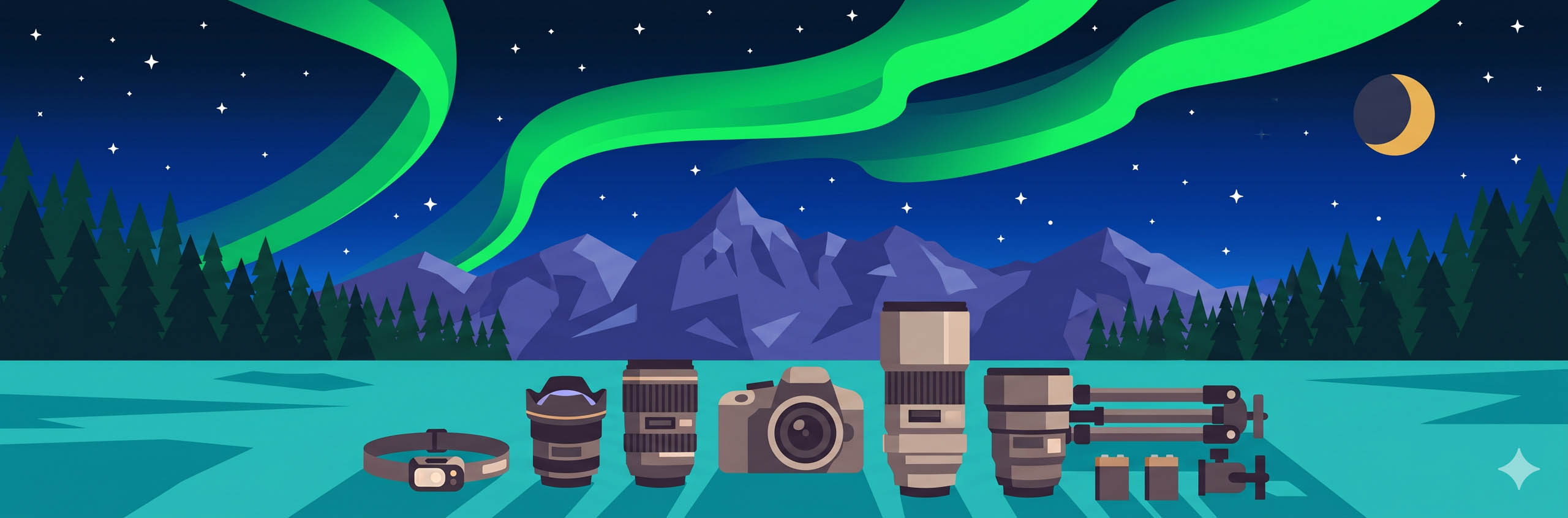
Cameras, lenses, tripods, and accessories worth bringing on an aurora trip.
Dark sky locations, foregrounds, and the best conditions for aurora photography in Scotland.
Specific spots across the Highlands, Orkney, and Shetland rated for aurora photography.
Every month ranked by real historical aurora-nights data, plus darkness windows and weather patterns.
When aurora is most likely from Scotland, northern England, and Ireland throughout the year.
When aurora is most active - local midnight, Kp timing, and how to read the forecast.
How to find your Kp threshold and check whether aurora is visible from your location.
How to check whether there was aurora activity last night using NOAA and DONKI data.
Dark sky sites, eye adaptation, app setup, and how to maximise your chances on the night.
Light discipline, tripod space, access rights, drones, and respect at culturally significant sites.
Layering systems, footwear, and how to stay warm standing still at -15°C for two hours.
Mid-winter darkness, long aurora windows, and which destinations work best in January.
Still deep winter across Scandinavia and Iceland - conditions and destinations for February.
The spring equinox effect boosts geomagnetic activity - March is one of the strongest months.
The season is closing. Last good windows in Iceland and Norway before midnight sun arrives.
Twilight shortens the usable window, but strong storms are still visible at high latitudes.
Midnight sun rules out Iceland and Norway. Scotland and southern Scandinavia still work.
The quietest aurora month in the north. Aurora australis viewing in the southern hemisphere.
Astronomical darkness returns to Iceland and Norway by late August. The season reopens.
The equinox effect peaks. September is consistently one of the best aurora months of the year.
Darkness extends across all latitudes. Conditions across Iceland, Norway, and Scotland improve.
Long nights but cloud risk rises. Norwegian fjords and inland Finnish Lapland are best bets.
The longest nights of the year. Up to 19 hours of darkness in northern Norway and Iceland.
Two operators, one Norwegian coastal route, and two northern lights promises written differently - plus cabin sizes, ship ages, and live conditions at every port.
Aurora Tonight, SpaceWeatherLive, NOAA, Vedur.is, and more - rated for ease of use, location detail, cloud cover, and trip planning.
Feature-by-feature comparison covering location-specific forecasts, cloud cover, push notifications, and trip planning.
Vedur.is is Iceland's official met office. How it compares to Aurora Tonight for Iceland-specific aurora planning.
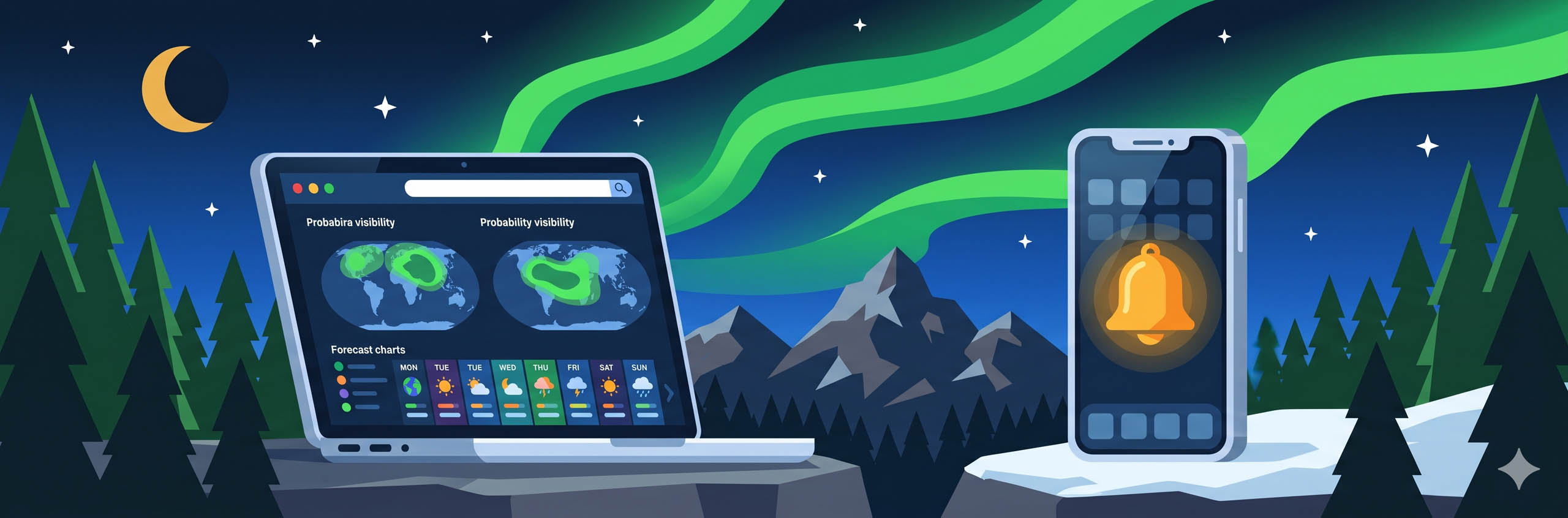
PWA websites match most native app features today. What apps still do better, and how to add a forecast to your home screen.
Tested picks for capturing the aurora on long, cold nights.

Sony Alpha 7 III Mirrorless Camera
View on Amazon
Nikon Z6 II Mirrorless Camera Kit
View on Amazon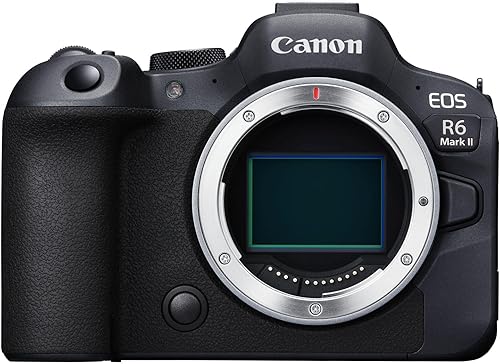
Canon EOS R6 Mark II
View on Amazon
Nikon Z 50II Body
View on Amazon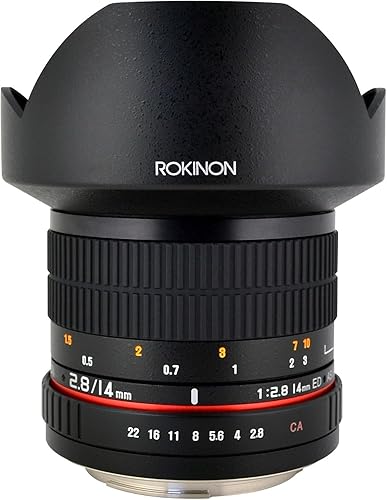
Rokinon 14mm F2.8 Ultra Wide Lens
View on Amazon
Sigma 16mm f1.4 DC DN Contemporary
View on Amazon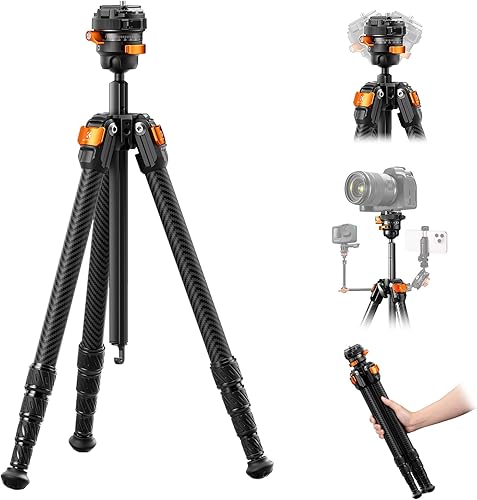
K&F Concept 60" Carbon Fibre Tripod
View on Amazon
AODELAN Wireless Camera Remote (Nikon)
View on Amazon
K&F LP-E17 3-pack Battery & Charger (Canon)
View on Amazon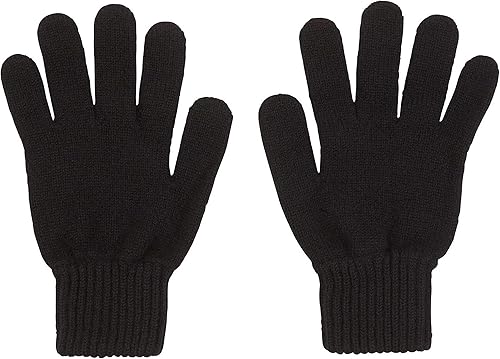
Winter Mittens Gloves
View on Amazon
BORUIT LED Head Torch
View on AmazonAs an Amazon Associate, Aurora Tonight earns from qualifying purchases. Affiliate links never influence the forecast or which gear is recommended.

Aurora Tonight
Add to your home screen for instant aurora alerts