By month

Northern lights in July

July is the deepest point of summer in the northern hemisphere and the most difficult month for aurora observation anywhere above the equator. The midnight sun covers everywhere above 65°N without interruption. Below that - across Scotland, southern Scandinavia, the Baltic states, northern Germany, and much of Canada - persistent astronomical twilight keeps skies bright throughout the short night. No geomagnetic activity, however extreme, can overcome the absence of darkness.

All northern hemisphere aurora locations are outside their season in July. The auroral oval still exists above the Arctic and activity continues in space - but the sky is too bright to register it visually from the ground at any northern latitude. Cameras set to long exposures sometimes capture faint colour in the twilight near the horizon, but this is not a reliable viewing experience.

July is, however, deep into the best part of the southern hemisphere aurora season. All tiers of southern location - Ushuaia and Punta Arenas in Patagonia, Stewart Island and Queenstown in New Zealand, Hobart and Cradle Mountain in Tasmania, and mid-latitude sites across South Africa and Victoria - are in good condition. Nights are at their longest across the southern winter. Aurora australis is regularly visible from clear, dark sites on any night with elevated Kp. The June through August window is the southern equivalent of October through February in the north.

Planning your trip in July

Weather

Deep winter in all southern aurora destinations. Ushuaia sees temperatures around -2°C to 5°C with strong westerly winds off the Beagle Channel. Queenstown is cold and can be snowy at altitude. July is one of the wetter months in Tasmania. Cradle Mountain regularly has frost and snow. Warmth and waterproofing matter more in July than at other times of year.

Darkness

No aurora darkness in the northern hemisphere. In the southern hemisphere, July sits at peak darkness. Ushuaia has around 15 hours of darkness per night. Stewart Island and Queenstown have 14 hours. Hobart has 13 hours. These are among the longest aurora-watching windows available anywhere on Earth.

Best regions

  • Ushuaia and Tierra del Fuego — July is one of the most productive aurora australis months from Patagonia. Cold, often clear nights and long darkness make it reliable. Dedicated tour operators run night excursions. The Beagle Channel gives a clear southern view.
  • Stewart Island, New Zealand — The southernmost inhabited point in New Zealand, under dark skies with minimal light pollution. Aurora australis is regularly visible without storm conditions from this location in July.
  • Queenstown and surrounds — Ski season is in full operation, and the mountain infrastructure provides elevated dark sites. Arrowtown, the Crown Range, and Glenorchy offer darker skies than the town itself. Easy access from a major airport.
  • South African Karoo — Sutherland and surrounding Karoo sites at mid-southern latitudes see aurora during strong Kp events. Dark, dry skies with some of the lowest light pollution on Earth. Less reliable than higher-latitude sites but accessible from Cape Town.

Crowds & cost

July is peak tourist season in Queenstown due to skiing, and prices are high. Ushuaia is quieter in July than its summer cruise months and more affordable. Hobart and Tasmania attract visitors but are not overwhelmed. Southern hemisphere aurora tourism is less commercialised than the Norwegian equivalent - dedicated tours are available but the scene is smaller.

Practical tip

Aurora australis is viewed on the southern horizon from all mid and high-latitude southern sites. Find elevated ground with an unobstructed view to the south and no artificial light to the south. The display often appears as a green arc along the horizon, expanding upward during strong events.

Current Kp level

Quiet G1 storm G3 Extreme

The Kp index - a global measure of geomagnetic activity on a scale from 0 (quiet) to 9 (extreme storm), updated every 3 hours - determines which locations are active right now. Higher Kp extends the auroral oval to lower latitudes. Kp index explained →

Locations sorted by tonight's cloud cover within each group - clearest conditions first. Updated every 30 minutes.

No northern hemisphere locations this month

In July, persistent twilight or midnight sun prevents aurora observation at all northern latitudes. No storm level is strong enough to produce a visible display without astronomical darkness. The southern hemisphere locations below are your best option this month.

Southern hemisphere

Aurora australis locations visible in July. 23 in good condition.

Fiordland

Good Kp 3

Milford Sound, Doubtful Sound, Te Anau

58° magnetic lat

Lake Tekapo

Good Kp 3-4

Aoraki Mackenzie Dark Sky Reserve

56° magnetic lat

Stewart Island

Good Kp 3-4

Rakiura, NZ's southernmost inhabited island

59° magnetic lat

Ushuaia

Good Kp 3-4

World's southernmost city, Beagle Channel

55° magnetic lat

Dunedin

Good Kp 4-5

Otago Peninsula south coast

56° magnetic lat

Queenstown

Good Kp 4-5

Remarkables range, dark sky south of town

56° magnetic lat

Wānaka

Good Kp 4

Lone willow tree, Lake Wānaka

56° magnetic lat

Christchurch

Good Kp 5-6

Lake Tekapo Dark Sky Reserve nearby

55° magnetic lat

Cradle Mountain

Good Kp 5

Dove Lake, Tasmanian Wilderness World Heritage Area

54° magnetic lat

El Calafate

Good Kp 5-6

Perito Moreno Glacier, Lake Argentino

50° magnetic lat

Hobart

Good Kp 5-6

Tasmania, Australia's lowest aurora threshold

54° magnetic lat

Launceston

Good Kp 5-6

Northern Tasmania, Ben Lomond alpine dark sky

52° magnetic lat

Tasmania

Good Kp 5

Australia's best aurora state - Hobart, Cradle Mountain, Launceston

54° magnetic lat

Falls Creek

Good Kp 6-7

Victorian Alps, Bogong High Plains at 1 600 m

50° magnetic lat

Kangaroo Island

Good Kp 6-7

Remarkable Rocks, south coast dark sky

42° magnetic lat

Mount Gambier

Good Kp 6-7

South Australia, Canunda NP south coast

51° magnetic lat

South Australia

Good Kp 6

Coorong, Limestone Coast, Fleurieu Peninsula south coast

49° magnetic lat

Victoria

Good Kp 6

Wilsons Promontory, Great Ocean Road, Victorian Alps

50° magnetic lat

Western Australia

Good Kp 6

Albany, Esperance, Fitzgerald River NP south coast

47° magnetic lat

Cape Town

Good Kp 7-8

Cape Point, southernmost accessible tip

42° magnetic lat

Melbourne

Good Kp 7-8

Point Nepean and Wilson's Promontory

48° magnetic lat

New South Wales

Good Kp 7

Eden south coast, Sapphire Coast, Kosciuszko

45° magnetic lat

Sutherland

Good Kp 7-8

Karoo, SAAO site, darkest skies in SA

43° magnetic lat

Common questions

Northern lights viewing in July.

Can you see the northern lights at all in July?
No. July is the worst month of the year for northern lights alongside June. The midnight sun affects all locations above 65°N, and persistent twilight prevents aurora visibility everywhere else in the northern hemisphere. The northern aurora season does not resume until August at the very highest latitudes, and properly in September and October for mid-latitude sites.
Is there any chance of seeing aurora from Scotland in July?
No. Scotland sits at around 57°N and never reaches astronomical darkness in July. The sky remains in a state of nautical twilight around midnight - bright enough to wash out all but the most extreme geomagnetic events. Even a G5 extreme storm would not produce a visible aurora display from Scotland in July. Wait for October when nights are long enough.
What are the best locations for aurora in July?
All viable July aurora locations are in the southern hemisphere. Ushuaia and Punta Arenas in Patagonia are at peak condition with 15 hours of darkness. Stewart Island, Queenstown, and Dunedin in New Zealand are in full season. Hobart and Cradle Mountain in Tasmania are active. Mid-latitude southern sites like Sutherland in South Africa see aurora during stronger storm events.
How many hours of darkness are there in July?
In the northern hemisphere, there is no astronomical darkness for aurora in July. Scotland has brief nautical twilight but no dark sky. Above 65°N, the sun does not set. In the southern hemisphere, Ushuaia has around 15 hours of darkness, Queenstown 14 hours, Hobart 13 hours. Southern hemisphere sites have the most darkness of any point in their year.
Is July expensive for a southern lights trip?
It depends heavily on the destination. Queenstown is expensive in July due to the ski season - accommodation and lift passes push costs high. Ushuaia is moderately priced and not at its summer peak. Hobart and Tasmania are in normal winter pricing. Avoid Queenstown in July if budget is a concern and consider Ushuaia or southern Chile instead.

Photograph the Aurora - Recommended Gear

This page contains affiliate links. As an Amazon Associate I earn from qualifying purchases.

Sony Alpha 7 III Mirrorless Camera
Camera

Sony Alpha 7 III Mirrorless Camera

View on Amazon
Nikon Z6 II Mirrorless Camera Kit
Camera

Nikon Z6 II Mirrorless Camera Kit

View on Amazon
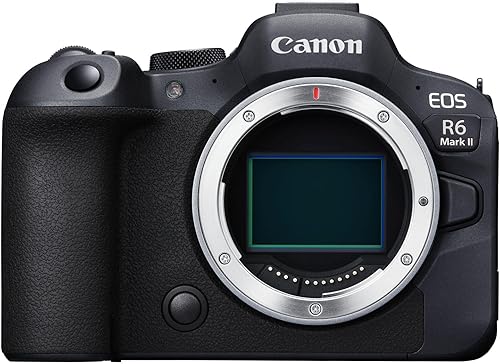
Canon EOS R6 Mark II
Camera

Canon EOS R6 Mark II

View on Amazon
Nikon Z 50II Body
Camera

Nikon Z 50II Body

View on Amazon
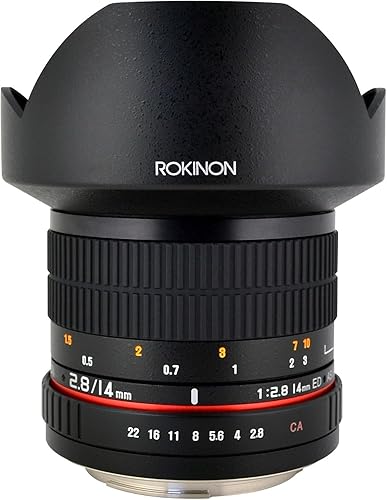
Rokinon 14mm F2.8 Ultra Wide Lens
Lens

Rokinon 14mm F2.8 Ultra Wide Lens

View on Amazon
Sigma 16mm f1.4 DC DN Contemporary
Lens

Sigma 16mm f1.4 DC DN Contemporary

View on Amazon
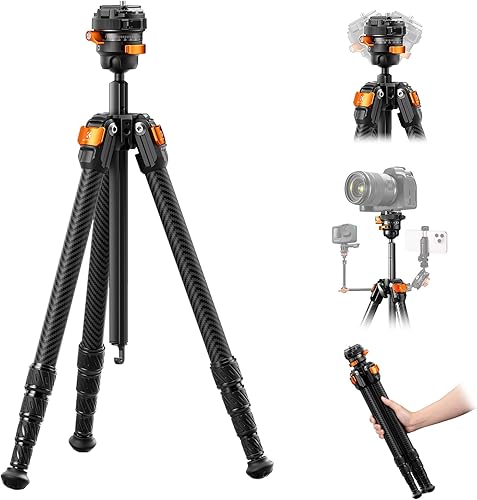
K&F Concept 60" Carbon Fibre Tripod
Tripod

K&F Concept 60" Carbon Fibre Tripod

View on Amazon
AODELAN Wireless Camera Remote (Nikon)
Accessory

AODELAN Wireless Camera Remote (Nikon)

View on Amazon
K&F LP-E17 3-pack Battery & Charger (Canon)
Accessory

K&F LP-E17 3-pack Battery & Charger (Canon)

View on Amazon
Winter Mittens Gloves
Accessory

Winter Mittens Gloves

View on Amazon
BORUIT LED Head Torch
Accessory

BORUIT LED Head Torch

View on Amazon
Aurora Tonight

Aurora Tonight

Add to your home screen for instant aurora alerts

Add to your home screen

Tap then Add to Home Screen for instant aurora alerts