Northern lights in Devonport tonight
Northern Tasmania, Australia · 52° magnetic latitude · Kp 4 threshold
Kp 1 is well below the Kp 4 threshold needed for aurora to be visible from Devonport.
7-day outlook for Devonport
Based on CME arrival predictions from NASA DONKI. Arrival times ±6 hours.
auroratonight.space
What Kp is needed here?
Devonport sits at a magnetic latitude of approximately 52°S. The Kp index - a global measure of geomagnetic activity on a scale from 0 (quiet) to 9 (extreme storm), updated every 3 hours - needs to reach Kp 4 before the auroral oval expands far enough north to be visible from here.
At Kp 4, visibility is possible from Devonport but skies need to be clear and dark. Cloud cover and light pollution remain the main obstacles even when Kp is high enough.
Best dark sky sites near Devonport
Light pollution is the biggest obstacle after cloud cover. These sites give you the best dark southern horizon within reach.
Cradle Mountain
Get directions ↗Cradle Mountain in the Tasmanian Wilderness World Heritage Area is Tasmania's signature aurora australis location. Dove Lake at the base of the mountain faces south-southwest with the serrated ridge reflected in still water. Bortle Class 1-2 conditions. The drive from Devonport takes around 90 minutes on the Claude Road through Sheffield and Wilmot. Kp 4 is the threshold at 52-54°S magnetic latitude. Dove Lake boatshed is the benchmark foreground - reach it via the 15-minute walk from the car park on the marked track. Ice on the track is possible in winter. Cradle Mountain is the natural first destination for any aurora event during a Devonport stay.
Leven Canyon
Get directions ↗A deep gorge in the Leven Canyon Reserve near Gunns Plains, south of Ulverstone. The lookout gives elevated views over rainforest canopy. At night the surrounding area is dark - small farms and no towns nearby. The southern sky is visible from the canyon rim. Less dramatic than Cradle Mountain as an aurora foreground but significantly closer to Devonport and with Bortle Class 2-3 conditions. The drive south from Devonport via Ulverstone takes under an hour on sealed roads. A practical option for checking aurora activity before committing to the longer Cradle Mountain drive.
Lake Barrington
Get directions ↗A reservoir in the Mersey-Forth hydroelectric system, surrounded by farmland and low hills south of Devonport. The lake surface gives water reflections when calm, with open southern sky above the far shore. The surrounding area is rural and quiet at night. Access via the B14 and C140 roads south from Devonport through Railton. Bortle Class 2-3 conditions. The lake's south-facing shoreline gives a practical dark sky position that is much closer than Cradle Mountain. Combined with Kp 4 threshold, Lake Barrington is a realistic quick-response option when aurora is forecast on short notice.
Best time to see the aurora australis in Devonport
Devonport's aurora australis season runs from April through August, centred on the southern winter when nights are longest and darkest. The equinox months of March and September bring a boost in geomagnetic activity. Summer months bring too much twilight for aurora to show at this latitude.
Activity peaks around the March and September equinoxes, when Earth's magnetic field geometry is most favourable for coupling with the solar wind. These windows produce the strongest aurora australis events of the year for observers at this latitude.
October through February brings persistent twilight that washes out the aurora australis. Strong events during these months remain invisible because the sky never gets dark enough.
Up to 8 locations
How often does the aurora appear in Devonport?
Average nights per month the Kp reached Devonport's threshold of 4+, from 15 years of geomagnetic data (2010–2024).
Counts the Kp 4+ threshold only - cloud cover and local darkness are not included.
Kp data: GFZ German Research Centre for Geosciences, CC BY 4.0
Plan your trip to Devonport
Best window
The August to October window averages 15 aurora nights - the strongest consecutive stretch of the year.
How long to stay
For your best chance in March, plan at least 9 nights.
Aurora activity peaks at the March and September equinoxes in both hemispheres. This is driven by the angle of Earth's magnetic field relative to the solar wind, not by local seasons. Winter months at this latitude offer longer dark nights for observing, but March and September average the highest number of aurora nights in the historical data.
Related pages
Aurora Australis Australia
Australia aurora hub with current Kp status.
Read →Aurora Australis Cradle Mountain
Cradle Mountain - Dove Lake, Bortle Class 1-2, Kp 5.
Read →Aurora Australis Tasmania
Tasmania overview - Australia's premier aurora destination.
Read →Aurora Australis Launceston
Launceston - Ben Lomond and Bay of Fires, Kp 5-6.
Read →Aurora Australis in Australia
Complete guide to aurora australis in Australia - where, when, and what Kp.
Read →Aurora photographs from Devonport
Real photos sourced from Wikimedia Commons.
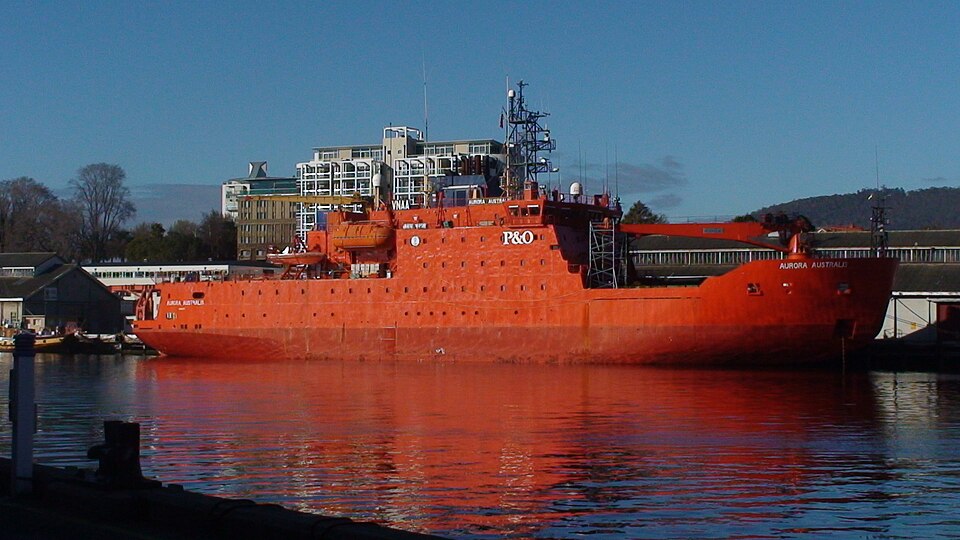 Aurora over Devonport
 Aurora over Devonport
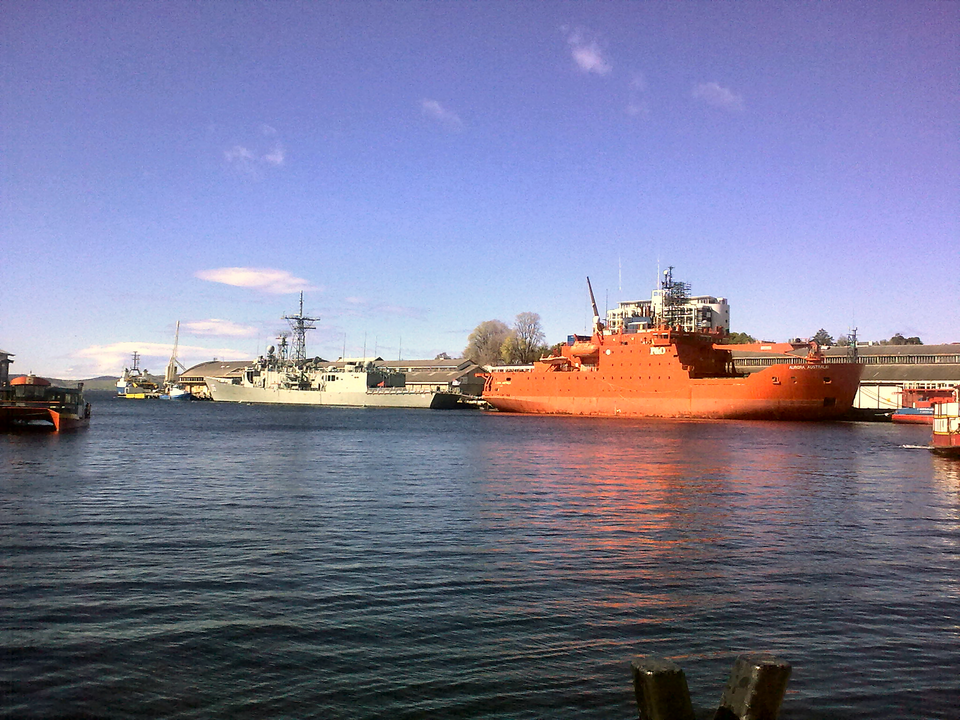 Aurora over Devonport
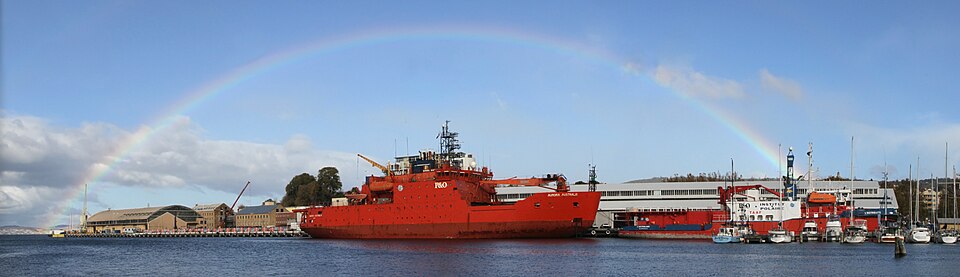 Aurora over Devonport
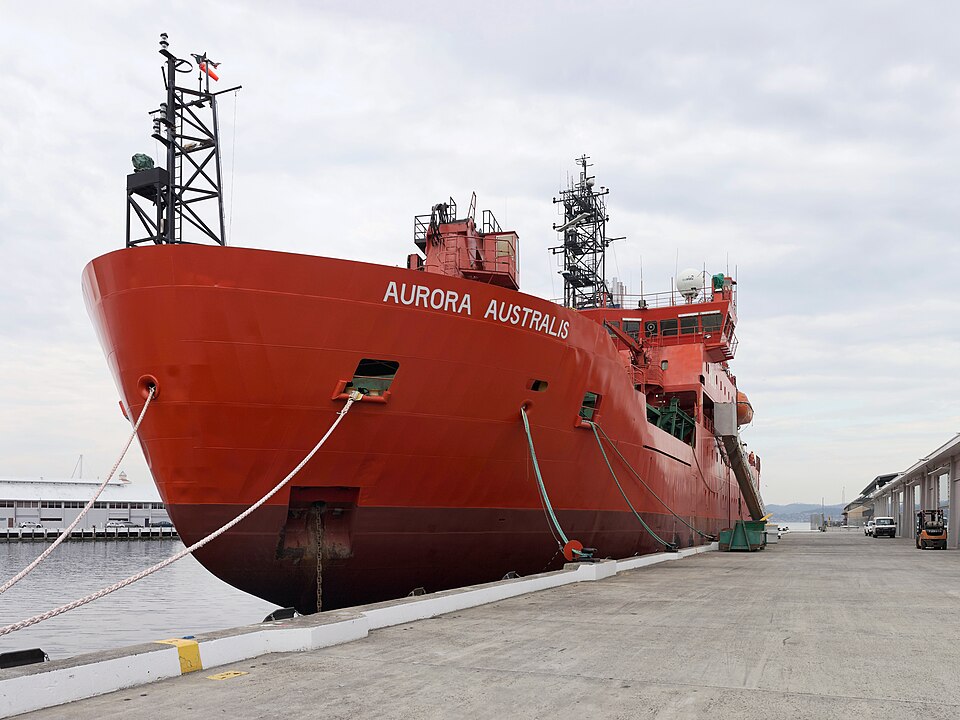 Aurora over Devonport
 Aurora over Devonport
Planning your aurora trip
In-depth guides to help you plan a trip to see the northern lights.
 Travel GuideAustralia
Aurora Australis in Australia - Where to See It
Tasmania leads for aurora australis in Australia - Cradle Mountain, Hobart, and the south coast. What Kp is needed and when to go.
 Travel GuideAll destinations
How to Plan a Northern Lights Trip
Destination, timing, accommodation, app setup, and how to read a space weather forecast.
 PlanningAll destinations
Best Time to See the Northern Lights
Month-by-month breakdown of aurora probability, darkness windows, and weather patterns.