Northern lights in Ballarat tonight
Victoria, Australia · 46° magnetic latitude · Kp 5-6 threshold
Kp 1 is well below the Kp 5-6 threshold needed for aurora to be visible from Ballarat.
7-day outlook for Ballarat
Based on CME arrival predictions from NASA DONKI. Arrival times ±6 hours.
auroratonight.space
What Kp is needed here?
Ballarat sits at a magnetic latitude of approximately 46°S. The Kp index - a global measure of geomagnetic activity on a scale from 0 (quiet) to 9 (extreme storm), updated every 3 hours - needs to reach Kp 5-6 before the auroral oval expands far enough north to be visible from here.
At Kp 5-6, visibility is possible from Ballarat but skies need to be clear and dark. Cloud cover and light pollution remain the main obstacles even when Kp is high enough.
Best dark sky sites near Ballarat
Light pollution is the biggest obstacle after cloud cover. These sites give you the best dark southern horizon within reach.
Creswick Regional Park
Get directions ↗State forest north of Creswick gives the most accessible dark sky from Ballarat. Forest tracks off the Midland Highway allow south-facing positions with open horizon. Light pollution from Ballarat is visible to the south-southeast, so face southwest or due south rather than south-southeast. Paddock edges along Springbank Road give clearer sky than the forest interior. No facilities at night. Standard vehicles can access the main tracks. At Kp 5-6, aurora australis may appear as a low arc south of the horizon during a clear G1-G2 storm.
Pyrenees wine region
Get directions ↗The Pyrenees hills and wine country northwest of Ballarat have the lowest light pollution of any area within an hour of the city. Open pastoral land, small wineries, and no significant towns to the south or southwest. Avoca and Moonambel are the closest settlements and both are very small. South-facing paddock edges along Sunraysia Highway and the local grid roads give clear sky with minimal obstructions. The western horizon is open across dry farming country toward the Southern Ocean. Bortle Class 3 conditions on moonless nights.
Hepburn Regional Park
Get directions ↗Open woodland between Ballarat and Daylesford. The park sits above the main valley floors, giving slightly elevated positions with south-facing clearings accessible via tracks off the Midland Link and Trentham Road. The main benefit over city viewing is isolation from Ballarat's light dome, which extends east-southeast. Position on open ground at park edges with farmland to the south. The Daylesford area can draw weekend visitors but the regional park sections remain dark. Check Bureau of Meteorology cloud cover before making the drive.
Best time to see the aurora australis in Ballarat
At 46°S magnetic latitude, Ballarat sits at the outer edge of regular aurora australis territory. Only the southern winter months, May through July, occasionally bring storms powerful enough to push the oval this far north. Outside this window, there is insufficient darkness for aurora to be visible.
Activity peaks around the March and September equinoxes, when Earth's magnetic field geometry is most favourable for coupling with the solar wind. These windows produce the strongest aurora australis events of the year for observers at this latitude.
Outside May through July, twilight prevents aurora visibility even during significant geomagnetic storms. The season is short, but equinox months on either side of winter can extend it when timing is favourable.
Up to 8 locations
How often does the aurora appear in Ballarat?
Average nights per month the Kp reached Ballarat's threshold of 5+, from 15 years of geomagnetic data (2010–2024).
Counts the Kp 5+ threshold only - cloud cover and local darkness are not included.
Kp data: GFZ German Research Centre for Geosciences, CC BY 4.0
Plan your trip to Ballarat
Best window
The August to October window averages 4 aurora nights - the strongest consecutive stretch of the year.
How long to stay
Aurora at this latitude requires patience - allow as many nights as possible during March.
Aurora activity peaks at the March and September equinoxes in both hemispheres. This is driven by the angle of Earth's magnetic field relative to the solar wind, not by local seasons. Winter months at this latitude offer longer dark nights for observing, but March and September average the highest number of aurora nights in the historical data.
Related pages
Aurora Australis Australia
Australia aurora hub with current Kp status.
Read →Aurora Australis Victoria
Victoria overview - Wilson's Promontory, Great Ocean Road, Victorian Alps.
Read →Aurora Australis Melbourne
Melbourne - Point Nepean and Wilson's Promontory, Kp 7.
Read →Aurora Australis in Australia
Complete guide to aurora australis in Australia - where, when, and what Kp.
Read →What Is the Kp Index?
How Kp 5-6 translates to aurora visibility at 46°S magnetic.
Read →Aurora photographs from Ballarat
Real photos sourced from Wikimedia Commons.
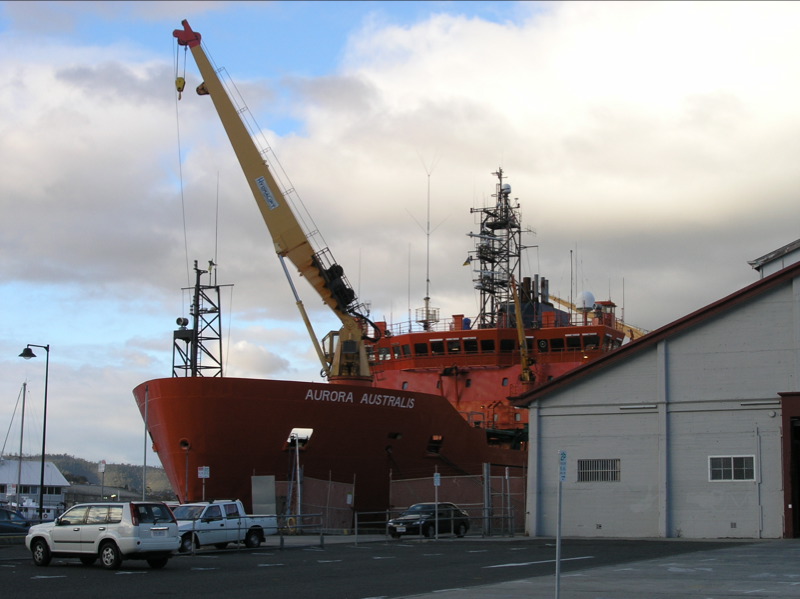 Aurora over Ballarat
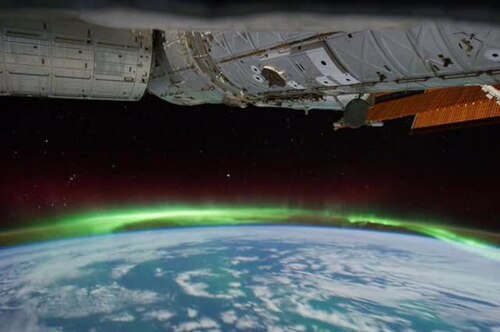 Aurora over Ballarat
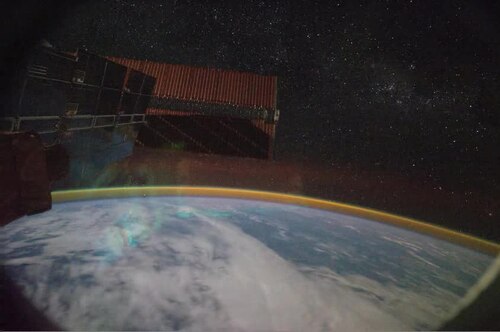 Aurora over Ballarat
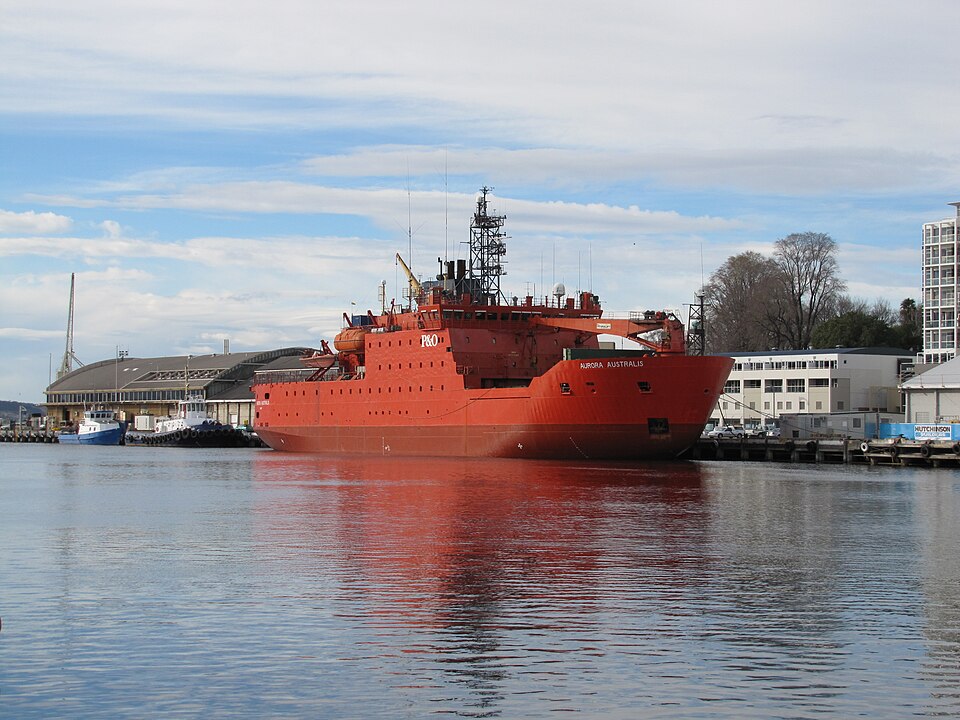 Aurora over Ballarat
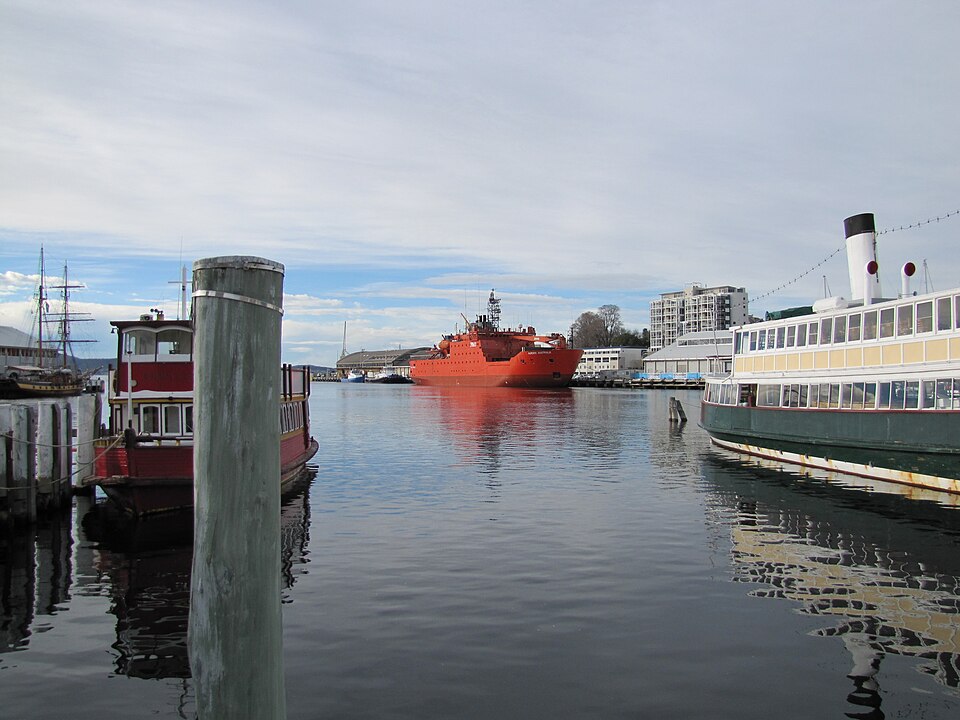 Aurora over Ballarat
 Aurora over Ballarat
Planning your aurora trip
In-depth guides to help you plan a trip to see the northern lights.
 Travel GuideAustralia
Aurora Australis in Australia - Where to See It
Tasmania leads for aurora australis in Australia - Cradle Mountain, Hobart, and the south coast. What Kp is needed and when to go.
 Travel GuideAll destinations
How to Plan a Northern Lights Trip
Destination, timing, accommodation, app setup, and how to read a space weather forecast.
 PlanningAll destinations
Best Time to See the Northern Lights
Month-by-month breakdown of aurora probability, darkness windows, and weather patterns.