GuidesGeomagnetic storms
Understanding

Geomagnetic storm scale - G1 to G5 explained

The G-scale and Kp

The G-scale was introduced by NOAA to make geomagnetic storm severity accessible to non-specialists. Each level maps to a Kp range: G1 corresponds to Kp 5, G2 to Kp 6, G3 to Kp 7, G4 to Kp 8, and G5 to Kp 9.

NOAA publishes storm watches (likely in 1-3 days), warnings (expected within 24 hours), and alerts (in progress now). Aurora Tonight uses the same underlying Kp data to power its live forecast and push notifications.

G-scale at a glance

Level Kp Visibility from Frequency
G1 Kp 5 Norway, Iceland, Alaska, northern Canada Around 1,700 days per solar cycle
G2 Kp 6 Scotland, southern Canada, northern Scandinavia Around 600 days per solar cycle
G3 Kp 7 Northern England, northern US states, central Europe Around 200 days per solar cycle
G4 Kp 8 Southern England, France, Germany, mid-US states Around 100 days per solar cycle
G5 Kp 9 Spain, New Zealand, southern US, northern Africa Fewer than 4 events per solar cycle

What happens at each level

Geomagnetic storms affect more than aurora. NOAA monitors infrastructure impacts at each level. Here is what each G category means beyond aurora visibility.

G1 - Minor

Weak power grid fluctuations. Minor satellite drag. Aurora visible from Norway, Iceland, and Alaska. The most common storm level - occurs around 1,700 times per solar cycle.

G2 - Moderate

High-latitude power grids may experience voltage fluctuations. Satellite drag becomes noticeable. HF radio propagation degrades at higher latitudes. Aurora visible from Scotland and southern Scandinavia.

G3 - Strong

Satellite surface charging may occur. Intermittent navigation problems on radio. Voltage corrections may be required on power systems. Aurora visible from northern England and the northern US states.

G4 - Severe

Wide-area power grid problems are possible. Satellite tracking becomes difficult. Induced pipeline currents measurable. Aurora visible from southern England, France, and Germany.

G5 - Extreme

Widespread voltage control problems. Possible grid collapses in some areas. Satellite drag extreme - operators may lose track of objects. Radio blackouts widespread across multiple frequency bands. Aurora visible from 40°N including Spain and the southern US.

How often does each level occur?

During solar minimum, G3+ events are rare - sometimes none occur for months. During solar maximum, which covers 2025-2026 for the current cycle, G2-G3 events occur several times per month. G4 events happen a few times per year at maximum.

G5 events are exceptional: fewer than 4 occur per 11-year solar cycle. The May 2024 storm reached G5 and produced aurora visible across the continental US, Europe, and New Zealand. It was the strongest event since the Halloween storms of October 2003. Most aurora watchers will never see another G5 in this cycle.

What to do when a storm watch is issued

G1 or G2 watch: worth checking cloud cover for your location and having a plan ready if conditions are clear.
G3 watch: prepare to go out if cloud cover is favourable - this will be visible from most of the UK, Ireland, and northern Europe.
G4 or G5 watch: these are rare. Clear skies anywhere in northern Europe or the northern US are worth using.
Check the forecast 6-12 hours before the predicted arrival time - storm timing is uncertain and activity can arrive early or late.
Set a Kp alert on this site so you get notified in real time when the storm reaches your threshold level.
Sean Barraclough

Sean Barraclough

Creator of Aurora Tonight

Keep reading

Related guides

Common questions

What is the difference between a storm watch and a warning?
NOAA issues a watch when a geomagnetic storm is likely within 1-3 days, a warning when it is expected within 24 hours, and an alert when it is happening now. For aurora watching, a warning or alert means act on tonight's conditions.
Does a G5 storm guarantee aurora visibility?
Not from anywhere. You still need clear skies and darkness. During the May 2024 G5 event, parts of Scotland and northern England were clouded out while other areas saw exceptional displays. The storm extends the visibility latitude, but cloud cover is still the deciding factor.
Can I sign up for G-scale alerts?
Yes. NOAA SWPC provides free email and text alerts. Aurora Tonight also sends push notifications when Kp rises above the threshold you set for your location. Visit /northern-lights-alert for setup instructions.
How does the G-scale relate to the Kp index?
Kp is a continuous 0-9 scale updated every 3 hours. The G-scale is NOAA's simplified category system that maps to whole Kp values: Kp 5 = G1, Kp 6 = G2, Kp 7 = G3, Kp 8 = G4, Kp 9 = G5.
Photograph the aurora

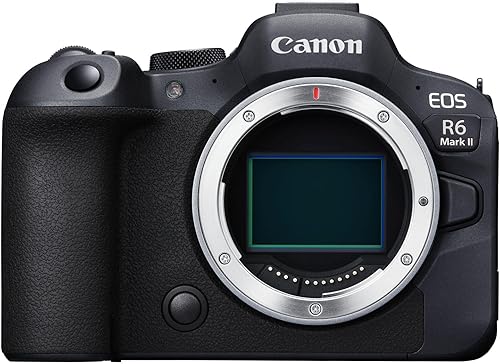
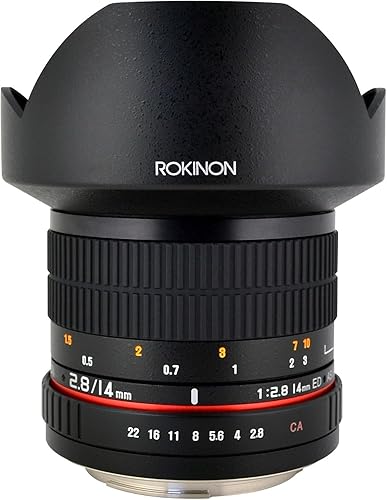
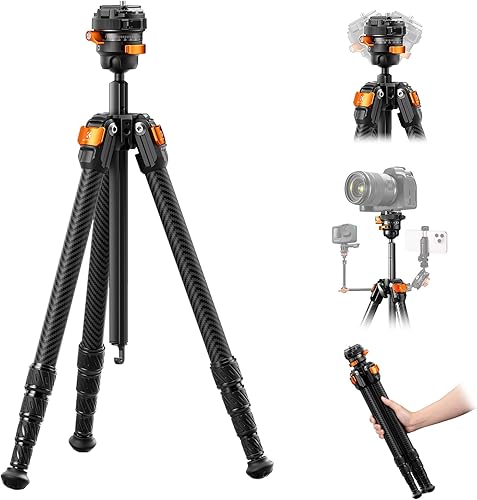
Recommended gear

Tested picks for capturing the aurora on long, cold nights.

As an Amazon Associate, Aurora Tonight earns from qualifying purchases. Affiliate links never influence the forecast or which gear is recommended.

Aurora Tonight

Aurora Tonight

Add to your home screen for instant aurora alerts

Add to your home screen

Tap then Add to Home Screen for instant aurora alerts