All locations Chile
Live aurora forecast

Aurora australis in Chile tonight

Aurora australis over the Strait of Magellan, Punta Arenas, Chile - 53°S magnetic latitude, Kp 4 threshold, gateway to Torres del Paine.

Pick a town → Tonight's conditions Possible tonight · Kp 1
Tonight in Chile

How the sky looks right now

Live Kp index from NASA & NOAA, mapped to what it means across Chile.

Geomagnetic activity
1/9
G0 · Quiet

Low activity expected. Solar conditions are currently quiet. Chances of aurora visibility are low tonight.

QuietStormExtreme

How far the glow reaches

At Kp 1, the auroral oval reaches ~76°S - covering every Chile town within range.

53°SPunta Arenas · Kp 4
Tonight reaches ~76°S
Best threshold
Kp 4-5
Ref. latitude
~53°S mag · Punta Arenas
Bz ↓ south
- nT
Solar wind
- km/s
Density
- p/cm³
Cloud at ref
-
Conditions right now: - Kp + Bz + solar wind + cloud + moon
Next 7 nights

7-day outlook for Chile

Predicted peak Kp each night, from NOAA's 3-day forecast and the 27-day solar-recurrence model.

Tonight
21 Jul
1
Low
Wed
22 Jul
3
Minor
Thu
23 Jul
3
Minor
Fri
24 Jul
3
Minor
Sat
25 Jul
3
Minor
Sun
26 Jul
3
Minor
Mon
27 Jul
3
Minor

Forecasts beyond 3 days are lower confidence - check back nightly as the outlook firms up.

Where to watch in Chile

Aurora visibility by town

Each spot lights up at a different Kp threshold thanks to its latitude. It comes down to the clouds.

All visible tonight Far north · Kp 1+ Mid · coast South
See all 1 Chile locations →
When to go

Best months for Chile

Aurora australis season runs April to September. Peak darkness is June–July (austral winter). Avoid November–February when nights are too short. The September equinox brings a secondary geomagnetic activity boost.

Chile at a glance

Three ways to do it

Only option

Punta Arenas

Capital of Chilean Patagonia on the Strait of Magellan - the only Chilean city with a realistic aurora australis chance

Threshold · Kp 4
Chile aurora australis at a glance

Why Chilean Patagonia is a long shot worth watching

Punta Arenas at roughly 53°S magnetic latitude is Chile's only city with a genuine aurora australis chance, and even there it needs a moderate storm (Kp 4 or above) rather than the routine minor activity that reaches Ushuaia across the Strait of Magellan. In May 2024, a G5-class storm produced a rare, widely reported display over southern Chile - the kind of event locals had not seen described in living memory.

The city sits on the Strait of Magellan, a working port and the main gateway to Torres del Paine National Park and Antarctic cruise departures. Torres del Paine itself, a three-to-four-hour drive north via Puerto Natales, holds some of the darkest, clearest skies in South America and is worth the detour even outside an aurora event.

Peak season is the austral winter (May to August), when nights are long and cold. This is the opposite of Patagonia's tourist high season (November to March), when brief, bright summer nights rule out aurora entirely regardless of storm strength.

Side by side

Compare Chile locations tonight

Pre-filled with Chile's top spots - search 400+ locations worldwide to compare any of them side by side.

Up to 8 locations

Punta Arenas

Chile

Unlikely
Kp 1 need Kp 4-5
Checking darkness…
Ushuaia

Argentina

Unlikely
Kp 1 need Kp 3-4
Checking darkness…
El Calafate

Argentina

Unlikely
Kp 1 need Kp 5-6
Checking darkness…
The odds

How often does the aurora appear in Chile?

Average nights per month the Kp reached Punta Arenas's threshold, from 15 years of geomagnetic data (2010–2024).

0Jan
0Feb
1Mar
2Apr
3May
4Jun
5Jul
4Aug
3Sep
1Oct
0Nov
0Dec

Southern hemisphere data. Aurora australis peaks in the austral winter (May–August) when nights are longest at 53°S. November–February have minimal darkness - aurora is not visible in summer.

Make it happen

Plan your trip to Chile

Based on historical geomagnetic activity patterns

1st
July
5
avg aurora nights
Peak austral winter darkness, most reliable window for a Kp 4+ storm to align with clear sky
2nd
June
4
avg aurora nights
Winter solstice, long nights, cold and windy
3rd
September
3
avg aurora nights
Equinox activity boost as darkness starts to shorten

Best window

May to August for maximum darkness at 53°S. Move away from the Punta Arenas waterfront toward the open steppe for a darker, south-facing horizon. Kp 4+ events are needed and occur less often than at Ushuaia, so patience and a flexible itinerary help.

How long to stay

Combine with Torres del Paine National Park (3-4 hours north via Puerto Natales) so the trip is worthwhile even without aurora. Plan at least a week if aurora is the primary goal, given the higher Kp threshold than Ushuaia.

Read the planning guide →
Good to know

Common questions

Can you see aurora australis in Chile?
Occasionally, from Punta Arenas in the far south of Chilean Patagonia. At roughly 53°S magnetic latitude, it needs a moderate geomagnetic storm (Kp 4 or above) rather than the routine minor activity that reaches Ushuaia, 200 km further south across the Strait of Magellan. The May 2024 G5 storm produced a rare, widely photographed display across southern Chile.
Where in Chile is the best place for aurora australis?
Punta Arenas, the capital of the Magallanes region. It sits on the Strait of Magellan and is the only Chilean city with a realistic aurora chance - anywhere further north needs an exceptional storm. Move away from the waterfront and city lights toward the open steppe south of town for a darker, south-facing horizon.
What Kp is needed for aurora in Punta Arenas?
Kp 4 as a working minimum, with Kp 5+ giving a clearly visible display. The Kp index - a global measure of geomagnetic activity from 0 (quiet) to 9 (extreme storm) - needs to reach this level because Punta Arenas sits further from the South Magnetic Pole than Ushuaia. Kp 4 events occur several times a month during solar maximum; a Kp 4 storm still requires clear, dark skies to produce a visible result.
When is aurora season in Punta Arenas?
May to August - the austral winter. This is the opposite of Patagonia's tourist high season (November to March), when short, bright summer nights rule out aurora regardless of storm strength. July gives the longest darkness. The September equinox brings a secondary activity boost as nights are still reasonably long.
How does Punta Arenas compare to Ushuaia for aurora australis?
Ushuaia has the clear advantage. At around 55°S magnetic latitude, Ushuaia needs only Kp 3-4; Punta Arenas at roughly 53°S needs Kp 4-5, a meaningfully higher bar reached less often. Punta Arenas's advantage is logistics - it's the main gateway to Torres del Paine National Park and Antarctic departures, so a visit there can combine with world-class scenery even on nights the aurora doesn't show.
Photograph the aurora

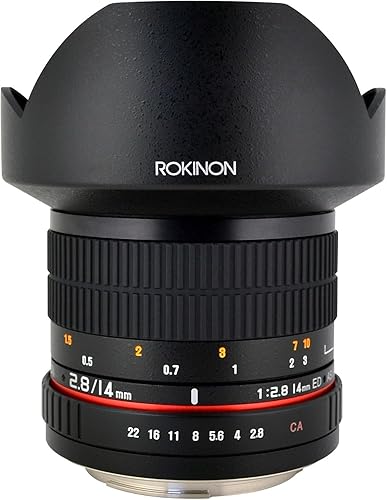
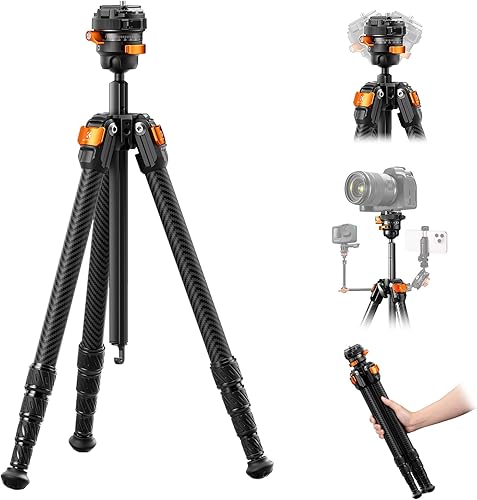
Recommended gear

Tested picks for capturing the aurora on long, cold nights.

As an Amazon Associate, Aurora Tonight earns from qualifying purchases. Affiliate links never influence the forecast or which gear is recommended.

Aurora Tonight

Aurora Tonight

Add to your home screen for instant aurora alerts

Add to your home screen

Tap then Add to Home Screen for instant aurora alerts