Northern lights in Missouri tonight
Missouri, USA · 48° magnetic latitude · Kp 6 threshold
Kp 1 is well below the Kp 6 threshold needed for aurora to be visible from Missouri.
7-day outlook for Missouri
Based on CME arrival predictions from NASA DONKI. Arrival times ±6 hours.
auroratonight.space
What Kp is needed here?
Missouri sits at a magnetic latitude of approximately 48°N. The Kp index - a global measure of geomagnetic activity on a scale from 0 (quiet) to 9 (extreme storm), updated every 3 hours - needs to reach Kp 6 before the auroral oval expands far enough south to be visible from here.
At Kp 6, visibility is possible from Missouri but skies need to be clear and dark. Cloud cover and light pollution remain the main obstacles even when Kp is high enough.
Best dark sky sites near Missouri
Light pollution is the biggest obstacle after cloud cover. These sites give you the best dark northern horizon within reach.
Ozark National Scenic Riverways - Current River area
Get directions ↗The Current and Jacks Fork rivers run through the Ozarks in one of the least-developed federal land areas in the eastern USA, giving Bortle 2 conditions over a large forested area. The ridges above the river valleys face north with minimal light domes. Alley Spring near Eminence and the Pulltite campground give access to the darkest part of the corridor. At 37.1°N geographic, the Ozark core sits at around 46° geomagnetic latitude - a touch lower than the latitude of Kansas City and St Louis, but significantly darker. About 140 miles from Kansas City and 130 miles from St Louis via I-44 and US-60. Even with this sky, a major storm of Kp 6 is needed, seen as a glow low on the northern horizon.
Mark Twain National Forest - Eleven Point area
Get directions ↗The Eleven Point National Scenic River in the southern Ozarks gives Bortle 2 sky in the forest interior. The Greer Crossing and Thomasville areas provide river access and north-facing ridge positions above the river valley. The surrounding Mark Twain NF gives extensive dark sky over a large area of the Missouri Ozarks. Remote but accessible by car from Poplar Bluff or West Plains. About 160 miles from Kansas City.
Pershing State Park - northern Missouri
Get directions ↗North-central Missouri near Laclede gives open farmland with Bortle 3-4 conditions. At 39.9°N geographic, northern Missouri sits at the state's highest geomagnetic latitude, around 49° - a marginally better position than the Ozark core, which compensates for the lighter sky. The flat to rolling terrain gives open northern horizons with no mountain obstruction. About 90 miles from Kansas City via US-36. Practical for an aurora chase from the KC metro when a strong storm is forecast.
Sam A. Baker State Park - St Francois Mountains
Get directions ↗The St Francois Mountains in southeast Missouri - some of the oldest exposed rock in the Midwest - give forested ridge country with Bortle 2-3 conditions. The Mudlick Mountain area and the surrounding Iron County forest give ridge-top positions with north-facing sky. About 140 miles from St Louis via US-67. The least-visited of Missouri's dark sky sites, but genuinely dark and within range of St Louis.
Best time to see the northern lights in Missouri
At 48°N magnetic latitude, Missouri sits at the lower end of regular aurora territory. Only the deep mid-winter months of November through January offer nights dark enough for aurora to be visible, and only then when a significant geomagnetic storm pushes the auroral oval this far south.
Activity peaks around the September and March equinoxes, when Earth's magnetic field geometry is most favourable for coupling with the solar wind. Events during these two windows tend to produce the strongest displays of the year for observers at Missouri's latitude.
Outside November through January, twilight is too bright for aurora viewing even during significant storms. The season is short, but the equinox months on either side of winter can extend it slightly when storm timing aligns.
Related pages
Northern Lights USA
USA-wide aurora forecast hub.
Read →Northern Lights Iowa Tonight
Iowa - similar latitude, Yellow River State Forest Bortle 2.
Read →Northern Lights Kansas Tonight
Kansas - similar latitude, Cimarron Grassland dark sky.
Read →Northern Lights Illinois Tonight
Illinois - Shawnee NF and Nachusa Grasslands dark sky.
Read →What Is the Kp Index?
What Kp 6 means for aurora at 48° geomagnetic latitude.
Read →Aurora photographs from Missouri
Real photos sourced from Wikimedia Commons.
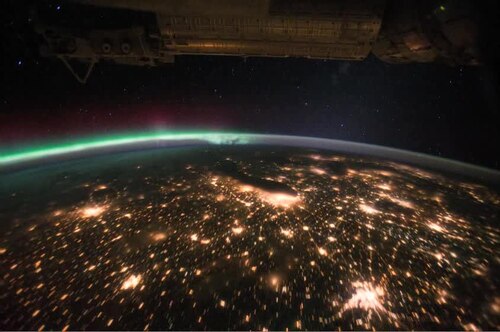 Aurora over Missouri
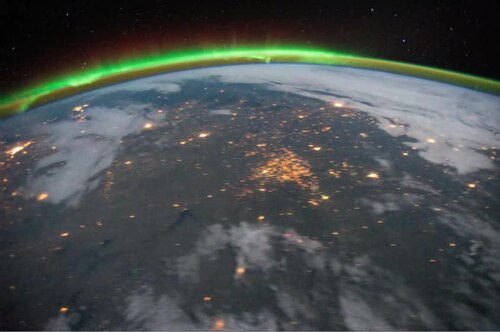 Aurora over Missouri
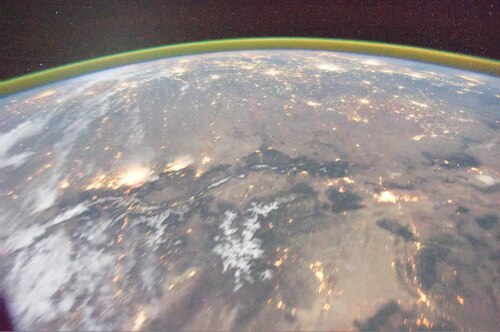 Aurora over Missouri
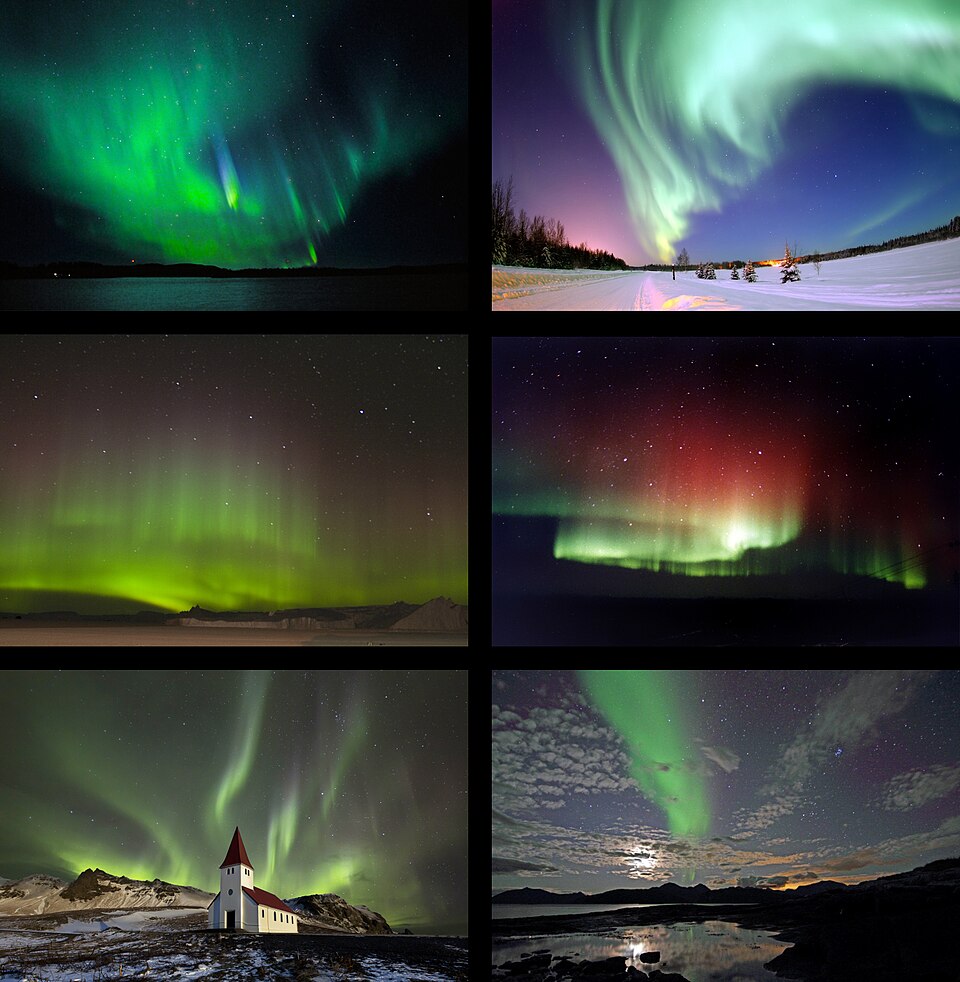 Aurora over Missouri
Planning your aurora trip
In-depth guides to help you plan a trip to see the northern lights.
 Travel GuideAll destinations
How to Plan a Northern Lights Trip
Destination, timing, accommodation, app setup, and how to read a space weather forecast.
 PlanningAll destinations
Best Time to See the Northern Lights
Month-by-month breakdown of aurora probability, darkness windows, and weather patterns.
 Travel GuideAll destinations
Northern Lights Bucket List
The experiences worth planning around - from Jökulsárlón to Svalbard polar night.