Northern lights in Saskatoon tonight
Saskatchewan · 58° magnetic latitude · Kp 3-4 threshold
Kp 1 is well below the Kp 3-4 threshold needed for aurora to be visible from Saskatoon.
7-day outlook for Saskatoon
Based on CME arrival predictions from NASA DONKI. Arrival times ±6 hours.
auroratonight.space
What Kp is needed here?
Saskatoon sits at a magnetic latitude of approximately 58°N. The Kp index - a global measure of geomagnetic activity on a scale from 0 (quiet) to 9 (extreme storm), updated every 3 hours - needs to reach Kp 3-4 before the auroral oval expands far enough south to be visible from here.
At Kp 3-4, visibility is possible from Saskatoon but skies need to be clear and dark. Cloud cover and light pollution remain the main obstacles even when Kp is high enough.
Best dark sky sites near Saskatoon
Light pollution is the biggest obstacle after cloud cover. These sites give you the best dark northern horizon within reach.
Pike Lake Provincial Park
Get directions ↗A provincial park south of the city, clear of the urban light dome, with open prairie sky facing north over the South Saskatchewan River valley.
Wanuskewin Heritage Park
Get directions ↗A national historic site on the edge of the city, with open grassland and river valley terrain giving a genuinely dark northern sky despite the short drive from downtown.
Cranberry Flats Conservation Area
Get directions ↗Riverbank conservation land south of Saskatoon, with sand dunes and open prairie giving unobstructed sky clear of city lighting.
Best time to see the northern lights in Saskatoon
Saskatoon's aurora season runs from late September through to March, when nights are long enough for truly dark skies. The equinox months, September and March, bring a natural boost in geomagnetic activity, making them statistically the best of the season. Summer months bring too much twilight for aurora to be visible at this latitude.
Activity peaks around the September and March equinoxes, when Earth's magnetic field geometry is most favourable for coupling with the solar wind. Events during these two windows tend to produce the strongest displays of the year for observers at Saskatoon's latitude.
April through August brings persistent astronomical twilight that washes out aurora completely. Even strong events (Kp 6+) remain invisible during this period because the sky never gets dark enough.
This page contains affiliate links to tour operators and products on Amazon. If you book or buy through one of these links, I may earn a small commission at no extra cost to you. This doesn't influence which operators or products are featured, or what the forecast shows.
No Saskatchewan coverage until now - and a real gap
Saskatoon is Saskatchewan's largest city, and prairie Canada has been a genuine gap on this site despite it being a real, actively-discussed aurora destination - local Facebook aurora-hunting groups run tens of thousands of members strong. At roughly 58°N magnetic latitude, in the same general band as Winnipeg, Saskatoon needs a moderate Kp 3-4 to produce a visible display, achievable several times a year even outside major solar maximum periods.
When to go
The season runs September/October through March/April, in line with the rest of the Canadian prairies. Continental winter weather here tends to bring more reliably clear nights than coastal destinations, so once a Kp 3-4 event is forecast, cloud cover is less likely to be the deciding factor than it would be in, say, coastal Norway or Iceland.
Getting there and getting around
Saskatoon has its own airport with domestic Canadian connections; you can compare flights to northern Canada as a starting point for planning a wider prairie or northern-lights trip. A hire car makes reaching the dark-sky spots around the city straightforward; you can compare car rental prices for getting around.
Where to watch
Pike Lake Provincial Park, about 35 km southwest of the city, is the most frequently cited dark-sky option. Wanuskewin Heritage Park, just north of Saskatoon, and Cranberry Flats Conservation Area to the south both give open prairie sky within a shorter drive if you don't want to travel as far.
What to expect, honestly
Saskatoon's Kp 3-4 threshold means aurora here is a moderate-storm event rather than a nightly occurrence - genuinely achievable several times a season, but not the near-guaranteed displays of Canada's northern territories. The May 2024 G5 storm showed what's possible during a strong event, but treat quieter nights as a realistic "maybe," not a sure thing, and keep an eye on the live Kp forecast above.
Related pages
Northern Lights Canada
Canada-wide aurora forecast hub.
Read →Northern Lights Winnipeg Tonight
Winnipeg - Manitoba prairie capital, similar threshold.
Read →Northern Lights Edmonton Tonight
Edmonton - Alberta, Elk Island Dark Sky Preserve.
Read →What Is the Kp Index?
Why Kp 3-4 is needed on the Canadian prairies.
Read →Aurora photographs from Saskatoon
Real photos sourced from Wikimedia Commons.
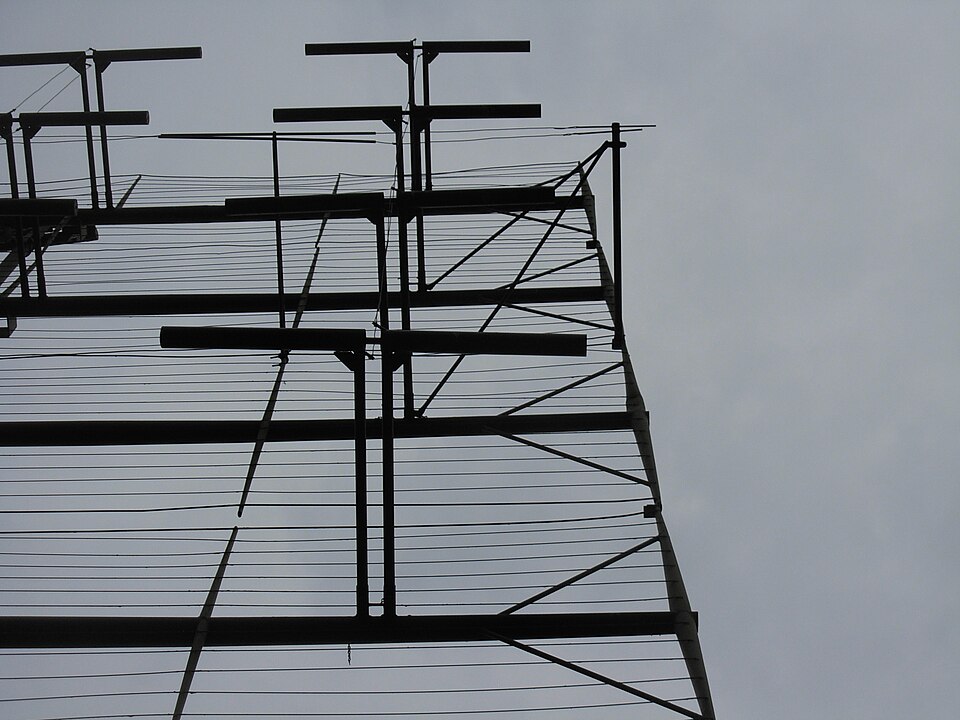 Aurora over Saskatoon
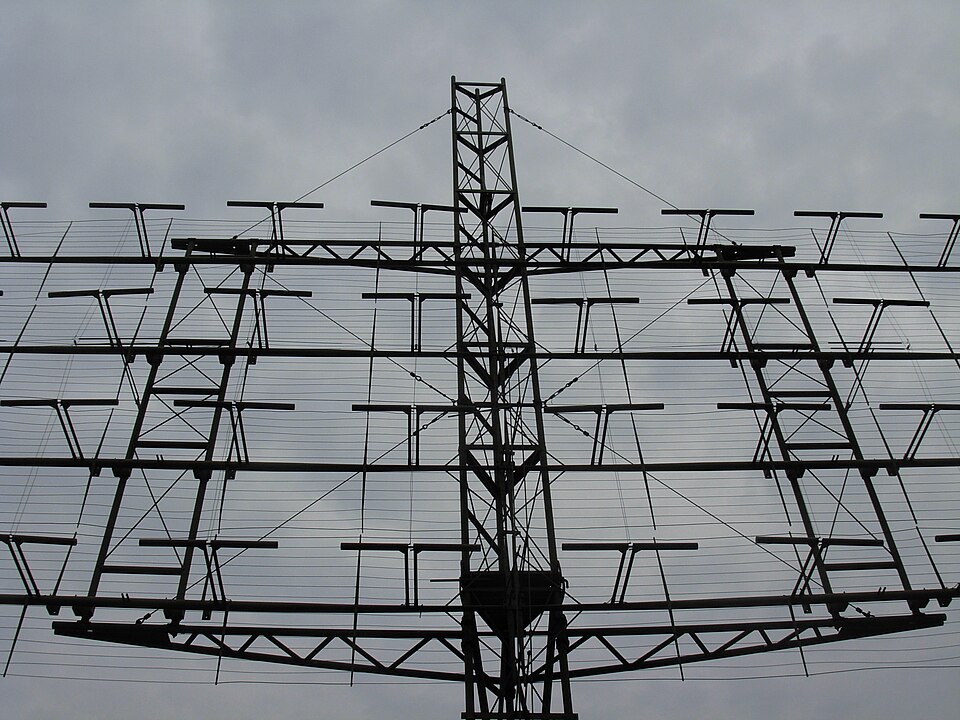 Aurora over Saskatoon
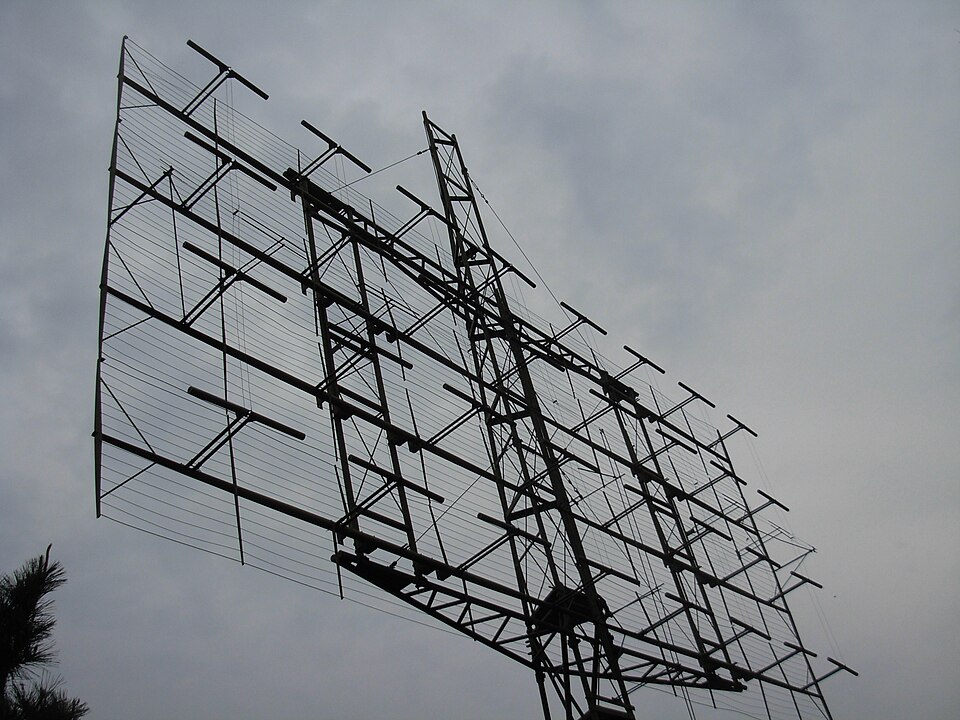 Aurora over Saskatoon
 Aurora over Saskatoon
Planning your aurora trip
In-depth guides to help you plan a trip to see the northern lights.
 Travel GuideCanada
Northern Lights Canada - Complete Travel Guide
Yukon, Northwest Territories, Manitoba - where to go and when the aurora is strongest.
 Travel GuideAll destinations
How to Plan a Northern Lights Trip
Destination, timing, accommodation, app setup, and how to read a space weather forecast.
 PlanningAll destinations
Best Time to See the Northern Lights
Every month ranked by real historical aurora-nights data, plus darkness windows and weather patterns.