Northern lights in Mont-Mégantic tonight
Eastern Townships, Quebec, Canada · 50° magnetic latitude · Kp 5-6 threshold
Kp 1 is well below the Kp 5-6 threshold needed for aurora to be visible from Mont-Mégantic.
7-day outlook for Mont-Mégantic
Tonight shows the live Kp reading. The nights after it show the Kp expected from any coronal mass ejection DONKI predicts will arrive that day, and a quiet baseline of Kp 2 where no arrival is forecast.
Based on CME arrival predictions from NASA DONKI. Arrival times ±6 hours.
auroratonight.space
What Kp is needed here?
Mont-Mégantic sits at a magnetic latitude of approximately 50°N. The Kp index - a global measure of geomagnetic activity on a scale from 0 (quiet) to 9 (extreme storm), updated every 3 hours - needs to reach Kp 5-6 before the auroral oval expands far enough south to be visible from here.
At Kp 5-6, visibility is possible from Mont-Mégantic but skies need to be clear and dark. Cloud cover and light pollution remain the main obstacles even when Kp is high enough.
Best dark sky sites near Mont-Mégantic
Light pollution is the biggest obstacle after cloud cover. These sites give you the best dark northern horizon within reach.
Mont-Mégantic summit and ASTROLab
Get directions ↗The summit hosts both the professional Observatoire du Mont-Mégantic - a 1.6 m research telescope, the most powerful of its type in eastern North America - and ASTROLab's own Popular Observatory, which runs public astronomy evenings with its own telescopes. This is the heart of the world's first International Dark Sky Reserve, certified in 2007.
Notre-Dame-des-Bois / park entrance
Get directions ↗A small village of just over 1,000 people at 555 m elevation - one of the highest settlements in Quebec - and the main entrance point for Parc national du Mont-Mégantic. Close enough to the park for a short drive up, with accommodation and services unavailable at the summit itself.
Wider Dark Sky Reserve
The reserve extends well beyond the park itself across 32 municipalities in the Granit and Haut-Saint-François regional counties, all under lighting bylaws that protect the night sky. Most rural roads and viewpoints within this zone give usably dark conditions, not just the park itself.
Best time to see the northern lights in Mont-Mégantic
At 50°N magnetic latitude, Mont-Mégantic sits at the lower end of regular aurora territory. Only the deep mid-winter months of November through January offer nights dark enough for aurora to be visible, and only then when a significant geomagnetic storm pushes the auroral oval this far south.
Activity peaks around the September and March equinoxes, when Earth's magnetic field geometry is most favourable for coupling with the solar wind. Events during these two windows tend to produce the strongest displays of the year for observers at Mont-Mégantic's latitude.
Outside November through January, twilight is too bright for aurora viewing even during significant storms. The season is short, but the equinox months on either side of winter can extend it slightly when storm timing aligns.
Up to 8 locations
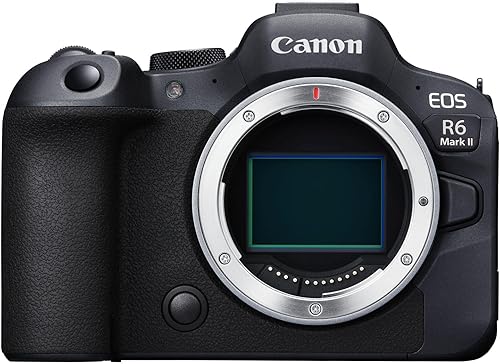
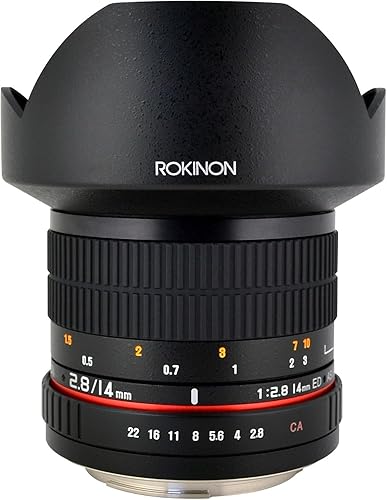
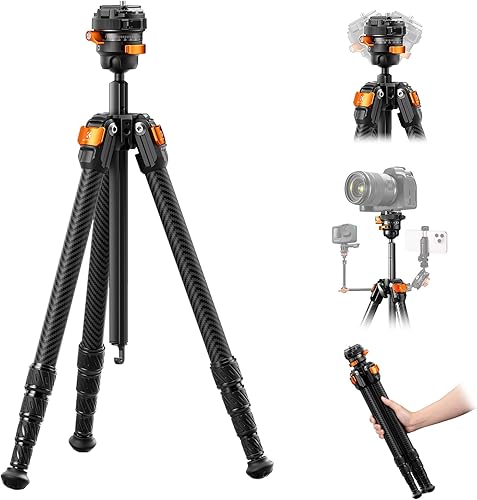
This page contains affiliate links to tour operators and products on Amazon. If you book or buy through one of these links, I may earn a small commission at no extra cost to you. This doesn't influence which operators or products are featured, or what the forecast shows.
Why Mont-Mégantic matters beyond its Kp threshold
At roughly 50 degrees magnetic latitude, Mont-Mégantic needs a genuine storm - Kp 5 to 6 on the index that measures geomagnetic activity from 0 (quiet) to 9 (extreme) - so aurora here is an occasional event, not a nightly one. What earns it a place on this list regardless is the designation: the world's first International Dark Sky Reserve, certified in 2007, protecting roughly 5,300 km² of the Eastern Townships around a summit that hosts a major research observatory and a dedicated public astronomy centre.
When to go
October through March gives the longest, darkest nights. September and March add the equinox-linked lift in geomagnetic activity. Given the relatively high Kp threshold here, a multi-night stay improves your realistic odds more than targeting one specific date.
Getting there and getting around
Fly into Montréal-Trudeau (YUL); you can compare flights to Montreal from your home airport. From there it's about 190 km and 2.5-3 hours by road to Notre-Dame-des-Bois, the park's gateway village - or a shorter 60 km, 45-minute drive if you're coming from Sherbrooke. A hire car is necessary for the final stretch and for reaching the summit itself; you can compare car rental prices for the trip.
Where to watch
The summit itself, with ASTROLab's Popular Observatory alongside the research telescope, is the obvious anchor point and the darkest single spot in the reserve. Notre-Dame-des-Bois at the park entrance is a practical, closer fallback with services the summit lacks. Beyond the park boundary, the wider Dark Sky Reserve - roughly 50 km in every direction - sits under lighting bylaws, so most rural roads and pull-offs within it give a usably dark sky without needing to reach the summit at all. If you'd like a guided astronomy evening rather than finding your own spot, ASTROLab's public programs are worth booking ahead, especially in peak season.
What to expect, honestly
Mont-Mégantic's Kp 5-6 threshold means you're waiting for a real storm, not routine activity - this is a dark-sky destination first and an aurora destination second, worth visiting for stargazing alone even on a quiet night. Check the live forecast above before making the drive, and treat a clear, active night here as a genuine bonus on top of what's already one of the best general astronomy experiences in eastern Canada.
How often does the aurora appear in Mont-Mégantic?
Average nights per month the Kp reached Mont-Mégantic's threshold of 6+, from 15 years of geomagnetic data (2010–2024).
Counts the Kp 6+ threshold only - cloud cover and local darkness are not included.
Kp data: GFZ German Research Centre for Geosciences, CC BY 4.0
Plan your trip to Mont-Mégantic
Best window
The August to October window averages 3 aurora nights - the strongest consecutive stretch of the year.
How long to stay
Aurora at this latitude requires patience - allow as many nights as possible during September.
Related pages
Northern Lights Canada
Canada-wide aurora forecast hub.
Read →Northern Lights Quebec City Tonight
Quebec City - 250 km northeast, similar magnetic latitude tier.
Read →Northern Lights Vermont Tonight
Vermont, USA - just across the border, comparable threshold.
Read →What Is the Kp Index?
Why Kp 5-6 is needed at 50°N magnetic latitude.
Read →Aurora photographs from Mont-Mégantic
Real photos sourced from Wikimedia Commons.
 Aurora over Mont-Mégantic
 Aurora over Mont-Mégantic
 Aurora over Mont-Mégantic
 Aurora over Mont-Mégantic
 Aurora over Mont-Mégantic
 Aurora over Mont-Mégantic
Planning your aurora trip
In-depth guides to help you plan a trip to see the northern lights.
 Travel GuideCanada
Northern Lights Canada - Complete Travel Guide
Yukon, Northwest Territories, Manitoba - where to go and when the aurora is strongest.
 Travel GuideAll destinations
How to Plan a Northern Lights Trip
Destination, timing, accommodation, app setup, and how to read a space weather forecast.
 PlanningAll destinations
Best Time to See the Northern Lights
Every month ranked by real historical aurora-nights data, plus darkness windows and weather patterns.