Northern lights in Utah tonight
Utah, USA · 48° magnetic latitude · Kp 6-7 threshold
Kp 1 is well below the Kp 6-7 threshold needed for aurora to be visible from Utah.
7-day outlook for Utah
Based on CME arrival predictions from NASA DONKI. Arrival times ±6 hours.
auroratonight.space
What Kp is needed here?
Utah sits at a magnetic latitude of approximately 48°N. The Kp index - a global measure of geomagnetic activity on a scale from 0 (quiet) to 9 (extreme storm), updated every 3 hours - needs to reach Kp 6-7 before the auroral oval expands far enough south to be visible from here.
At Kp 6-7, visibility is possible from Utah but skies need to be clear and dark. Cloud cover and light pollution remain the main obstacles even when Kp is high enough.
Best dark sky sites near Utah
Light pollution is the biggest obstacle after cloud cover. These sites give you the best dark northern horizon within reach.
Bryce Canyon National Park
Get directions ↗One of the USA's best-known dark sky destinations. Bryce Canyon was designated an International Dark Sky Park in 2019 and sits at 2700 m elevation in the high desert of southern Utah. The hoodoo formations and open plateau give a wide northern horizon with minimal light pollution. Bortle 2 conditions. The park's elevation and dry desert air make for exceptionally transparent skies. About 270 miles from Salt Lake City via I-15 and US-89. The clear, dry Utah plateau atmosphere gives excellent aurora-viewing conditions when activity levels are sufficient.
Natural Bridges National Monument
Get directions ↗The first International Dark Sky Park designated anywhere in the world (2007). Located in Utah's canyon country near the Colorado border at 1980 m, with Bortle 1-2 conditions. The canyon rims give open sky in all directions with no significant light sources within 80 km. About 380 miles from Salt Lake City. For aurora, the extreme darkness means even a faint display registers clearly on camera. Combine the aurora with the ancient stone bridges and canyon silhouettes for exceptional photography.
Cedar Breaks National Monument
Get directions ↗A high-elevation amphitheatre at 3200 m on the Markagunt Plateau in southwestern Utah. Cedar Breaks is an International Dark Sky Park with Bortle 2 conditions. The 400 m-deep canyon facing north and east gives dramatic foreground for aurora photography. The thin atmosphere at this altitude significantly increases aurora visibility compared to lower sites. About 255 miles from Salt Lake City. The monument road is usually closed November to late May due to snow at this elevation.
Great Basin National Park (Nevada border)
Get directions ↗Just across the Utah-Nevada border, Great Basin NP at 2000+ m sits in one of the least light-polluted regions of the lower 48. The Wheeler Peak area reaches 3982 m. Bortle 1 conditions on the valley floor. About 230 miles from Salt Lake City via US-50. For Utah-based aurora chasers willing to cross the border, Great Basin gives the darkest sky within range. The remote Snake Valley gives a completely flat horizon to the north.
Best time to see the northern lights in Utah
At 48°N magnetic latitude, Utah sits at the lower end of regular aurora territory. Only the deep mid-winter months of November through January offer nights dark enough for aurora to be visible, and only then when a significant geomagnetic storm pushes the auroral oval this far south.
Activity peaks around the September and March equinoxes, when Earth's magnetic field geometry is most favourable for coupling with the solar wind. Events during these two windows tend to produce the strongest displays of the year for observers at Utah's latitude.
Outside November through January, twilight is too bright for aurora viewing even during significant storms. The season is short, but the equinox months on either side of winter can extend it slightly when storm timing aligns.
Other USA aurora forecasts
Related pages
Northern Lights USA
USA-wide aurora forecast hub.
Read →Northern Lights Colorado Tonight
Colorado - Great Sand Dunes NP, similar latitude and Kp threshold.
Read →Northern Lights Idaho Tonight
Idaho - Craters of the Moon Dark Sky Park, similar Kp.
Read →Northern Lights Wyoming Tonight
Wyoming - Yellowstone and Grand Teton, slightly higher latitude.
Read →What Is the Kp Index?
What Kp 6-7 means for viewing at ~48° geomagnetic latitude.
Read →Aurora photographs from Utah
Real photos sourced from Wikimedia Commons.
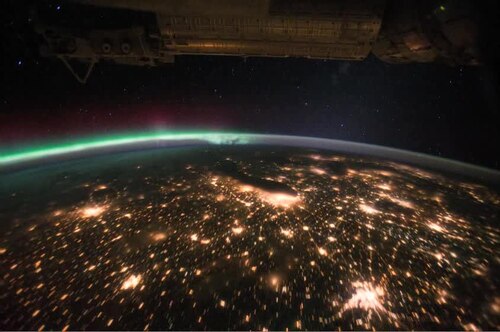 Aurora over Utah
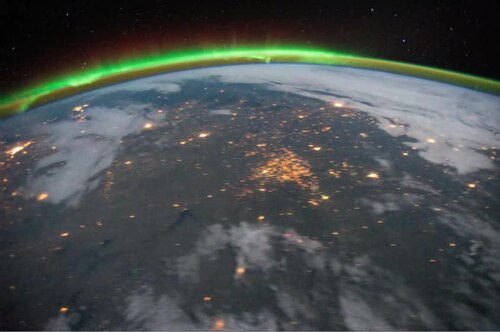 Aurora over Utah
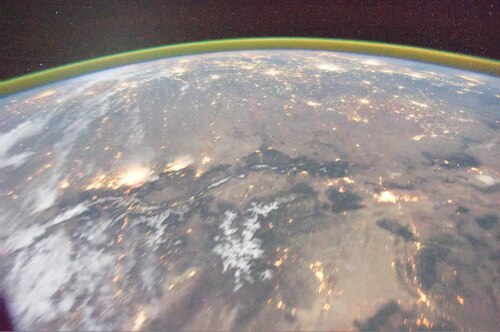 Aurora over Utah
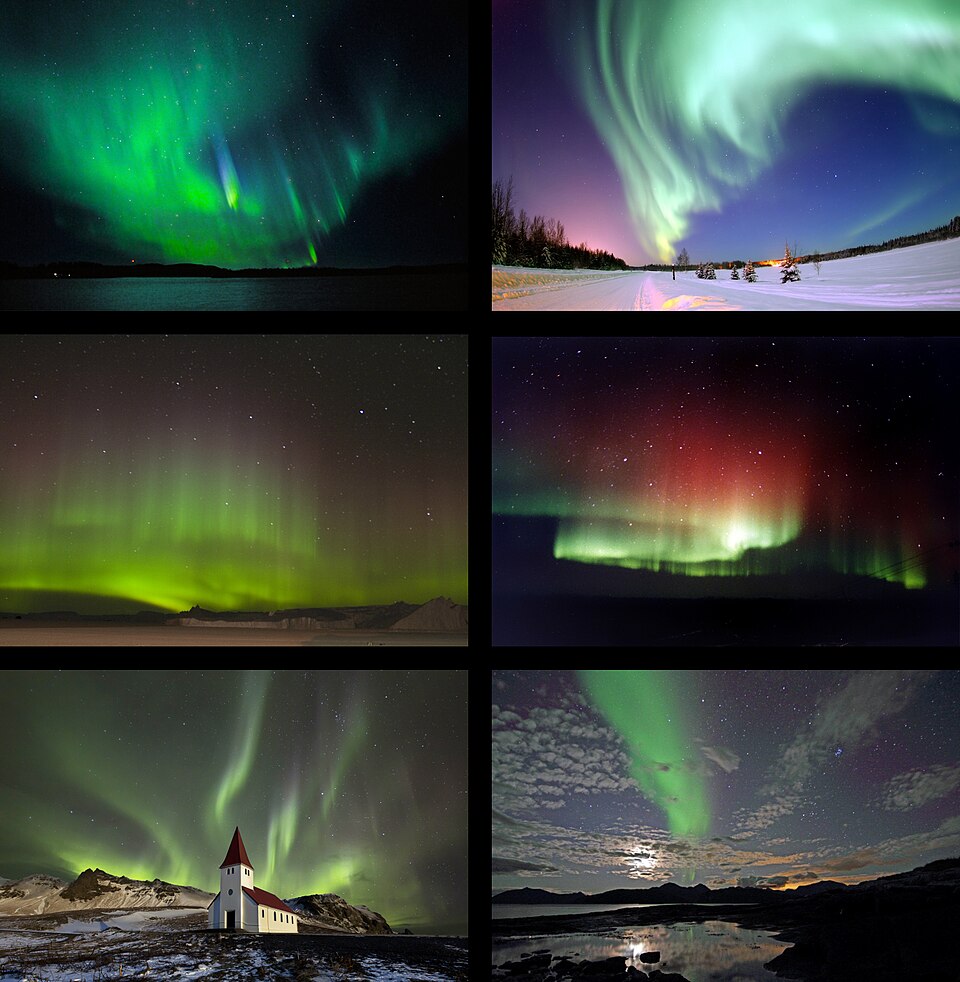 Aurora over Utah
Planning your aurora trip
In-depth guides to help you plan a trip to see the northern lights.
 Travel GuideAll destinations
How to Plan a Northern Lights Trip
Destination, timing, accommodation, app setup, and how to read a space weather forecast.
 PlanningAll destinations
Best Time to See the Northern Lights
Month-by-month breakdown of aurora probability, darkness windows, and weather patterns.
 Travel GuideAll destinations
Northern Lights Bucket List
The experiences worth planning around - from Jökulsárlón to Svalbard polar night.