Understanding aurora

Aurora viewing checklist

A missed aurora watch usually comes down to one of four things: the Kp was not high enough, the sky clouded over, the location had too much light pollution, or someone left too early. This checklist covers everything to check before and during an aurora watch.

Before you leave

Check the current Kp index and 7-day outlook on this site.
Check cloud cover for your specific dark sky location - not just the town weather. Use ClearOutside or Meteoblue for per-location sky forecasts.
Check moon phase - a full moon raises background brightness; a new moon is ideal.
Identify your dark sky location in advance and check the road access.
Tell someone where you are going if it is a remote site.
Charge your phone and camera batteries - cold reduces battery life significantly.
Download an offline map of the area if you are going somewhere remote.
Set a Kp alert on this site so you know when conditions improve in real time.

What to wear

Standing still in the cold for 90 minutes is a different experience from walking around. Dress for stationary cold, not active cold. See the full clothing guide for detailed layering advice.

Base layer

Thermal merino wool or synthetic fabric. Not cotton - cotton absorbs moisture and loses insulation when damp, which happens faster than you expect in cold conditions.

Mid layer

Fleece or down jacket. Down is warmer per gram but loses insulation if it gets wet. Fleece maintains warmth when damp and dries faster.

Outer layer

Waterproof, windproof shell. Weather in aurora-season locations changes quickly. Even a light rain shower can end your watch if you have no outer layer.

Extremities

Warm gloves (bring a spare pair), a hat covering your ears, and warm waterproof boots. Standing still at 0°C for 90 minutes feels significantly colder than walking around.

What to bring

Red-light torch - preserves night vision. A white phone screen undoes 20 minutes of dark adaptation instantly.
Camera and tripod if you want to photograph. Start with manual mode, ISO 1600-3200, f/2.8, and a 10-20 second exposure.
Hot drink in a thermos flask.
Power bank for your phone.
Spare camera batteries kept inside a jacket pocket to maintain temperature.
Waterproof cover for your camera if there is any chance of rain or snow.
Something to sit or stand on if you are planning a watch longer than an hour.

On location

Allow 20-30 minutes for eyes to dark-adapt before deciding whether anything is visible.
Face north and check the horizon before looking overhead - aurora usually starts as a low arc.
If unsure whether you can see anything, take a 10-second phone photo facing north. It will show green if aurora is present.
Stay at least 90 minutes if the Kp is at your threshold - substorms can begin at any point.
If nothing is happening, check the current Kp on the live forecast rather than guessing.
Do not look at white-light screens during your watch. Use red-light mode or maximum brightness reduction.

What not to do

Do not drive to a location you have never visited before in darkness - scout it in daylight first.
Do not stand in a remote field without telling anyone where you are.
Do not expect every Kp 5 night to be spectacular - cloud cover is the most common reason for disappointment.
Do not check for aurora from the middle of a town - a 20-minute drive changes the experience significantly.
Do not give up after 30 minutes - the best phase often comes in the second hour.

Common questions

Questions about preparation, dark sky sites, and what you actually need for a successful watch.

What do I actually need to bring for aurora watching?
The essentials: warm layered clothing, a torch with red mode, your phone with the forecast loaded, and transport to a dark location. A camera is optional but worth it if you have one.
How do I find a dark sky site near me?
Use the location pages on this site - each one lists nearby dark sky spots with Bortle class ratings and drive times from the nearest town.
How do I know if the aurora is active without looking at my phone?
If it is there, you will see it. A Kp 5 display from a dark site is not subtle. If you have been outside for 20+ minutes with dark-adapted eyes and see nothing on the northern horizon, activity is either very low or there is a thin cloud layer blocking it.
Is a camera necessary for aurora watching?

No. Aurora at Kp 5+ from Scotland or Iceland is clearly visible to the naked eye. A camera extends what you can detect (faint Kp 3-4 aurora) and records the display, but it is not required to enjoy it.
Sean Barraclough

Sean Barraclough

Creator of Aurora Tonight

Photograph the Aurora - Recommended Gear

This page contains affiliate links. As an Amazon Associate I earn from qualifying purchases.

Sony Alpha 7 III Mirrorless Camera
Camera

Sony Alpha 7 III Mirrorless Camera

View on Amazon
Nikon Z6 II Mirrorless Camera Kit
Camera

Nikon Z6 II Mirrorless Camera Kit

View on Amazon
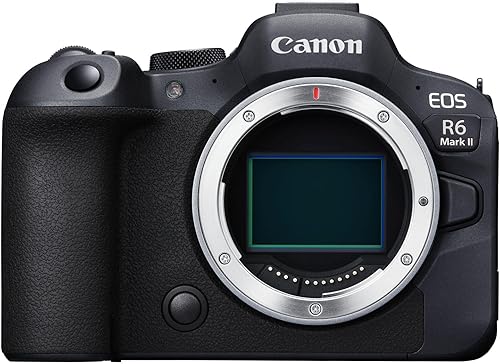
Canon EOS R6 Mark II
Camera

Canon EOS R6 Mark II

View on Amazon
Nikon Z 50II Body
Camera

Nikon Z 50II Body

View on Amazon
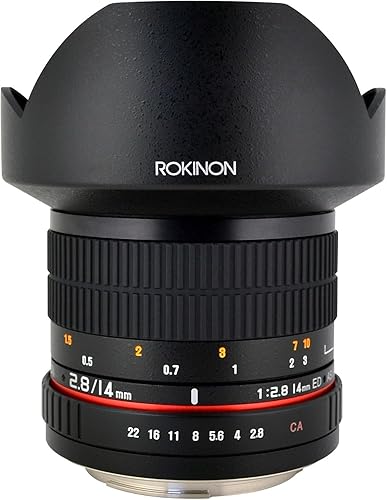
Rokinon 14mm F2.8 Ultra Wide Lens
Lens

Rokinon 14mm F2.8 Ultra Wide Lens

View on Amazon
Sigma 16mm f1.4 DC DN Contemporary
Lens

Sigma 16mm f1.4 DC DN Contemporary

View on Amazon
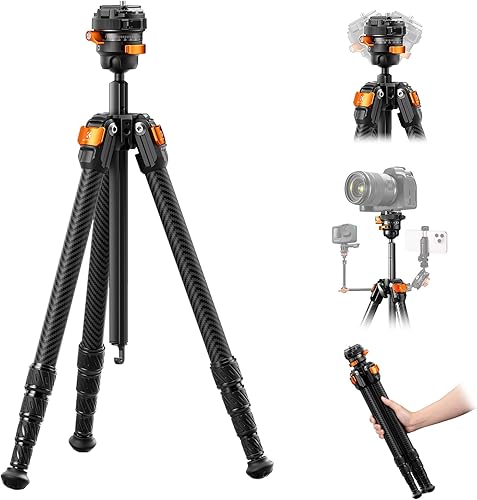
K&F Concept 60" Carbon Fibre Tripod
Tripod

K&F Concept 60" Carbon Fibre Tripod

View on Amazon
AODELAN Wireless Camera Remote (Nikon)
Accessory

AODELAN Wireless Camera Remote (Nikon)

View on Amazon
K&F LP-E17 3-pack Battery & Charger (Canon)
Accessory

K&F LP-E17 3-pack Battery & Charger (Canon)

View on Amazon
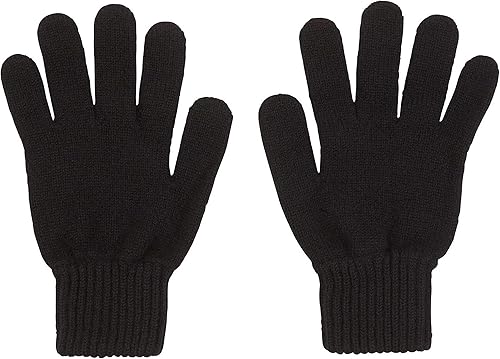
Winter Mittens Gloves
Accessory

Winter Mittens Gloves

View on Amazon
BORUIT LED Head Torch
Accessory

BORUIT LED Head Torch

View on Amazon
Aurora Tonight

Aurora Tonight

Add to your home screen for instant aurora alerts

Add to your home screen

Tap then Add to Home Screen for instant aurora alerts