Travel guide
New Zealand aurora australis guide
New Zealand is one of the few Southern Hemisphere destinations with a genuinely low aurora threshold and world-class dark sky infrastructure. Fiordland and Stewart Island sit at magnetic latitudes where Kp 3 events regularly produce visible aurora australis displays. The Aoraki Mackenzie International Dark Sky Reserve - one of the largest protected dark sky areas on Earth - gives the South Island an exceptional platform for aurora watching. This guide covers where to go, when to go, and what to expect.
Can you see aurora australis in New Zealand?
New Zealand sees aurora australis - the southern lights - not aurora borealis. The South Island sits between magnetic latitudes 55°S and 59°S, which places it well within the auroral zone for the Southern Hemisphere. That latitude range matters: unlike mainland Australia, New Zealand does not need a major geomagnetic storm to produce visible aurora. Regular Kp 3-4 events produce displays from dark South Island sites.
The aurora australis season runs year-round. New Zealand has no midnight sun equivalent - even in midsummer, nights are genuinely dark enough for aurora. That said, the March and September equinoxes are statistically the strongest months, because solar wind couples more efficiently with Earth's magnetic field around the equinoxes. This effect is consistent across solar cycles and gives those months a measurable advantage over mid-winter and mid-summer.
The main variables are cloud cover and geomagnetic activity. Monitor both. The New Zealand aurora forecast on this site gives live Kp readings and cloud cover across the key South Island sites. When a Kp 3 event is forecast and skies are clear over Fiordland or the Mackenzie Basin, the conditions are right.
Best locations for aurora australis in New Zealand
All of the best aurora sites are on the South Island or just off it. The further south, the lower the Kp threshold. These six locations cover the full range - from the most accessible to the most rewarding.
Lake Tekapo sits inside the Aoraki Mackenzie International Dark Sky Reserve, covering approximately 4,300 km² - one of the world's largest protected dark sky areas. Local bylaws restrict light pollution across the Mackenzie Basin, and the results are obvious: the sky quality here is consistently high. The Church of the Good Shepherd on the lake shore is the most photographed aurora foreground in New Zealand - a small stone church against the lake with the Southern Alps beyond. Kp threshold of 3-4 from dark viewpoints around the lake edge.
A magnetic latitude of 58°S gives Fiordland one of the lowest Kp thresholds on the South Island at Kp 3. Milford Sound and Doubtful Sound provide dramatic mountain-and-water foregrounds that no other location in New Zealand matches for scale. Te Anau is the practical base - Milford Sound is roughly 2-3 hours from Queenstown via Te Anau. The fiords face south and have no nearby towns to introduce light pollution, which keeps the sky genuinely dark. Roads to Milford Sound require caution in winter conditions.
New Zealand's southernmost inhabited island sits at magnetic latitude 59°S with a Kp threshold of 3-4. Oban (Halfmoon Bay) is the only settlement; the rest of the island is Rakiura National Park - dark sky with no development. Access is by ferry across Foveaux Strait from Bluff (approximately one hour, operated by Stewart Island Experience) or by light aircraft from Invercargill (around 20 minutes). Logistically more demanding than the mainland, but the aurora position is the best in New Zealand.
The lone willow tree on the Wanaka lakefront is one of the most recognisable landscape photographs in New Zealand, and it works well as an aurora foreground for southward-facing compositions. Kp threshold of 4 from dark sites around the lake. Dark outskirts are within 10-15 minutes of the town centre. Queenstown is approximately 45 minutes away and serves as the main hub for visitors flying in; Wanaka offers less light pollution and a quieter base. The mountain backdrop of the Southern Alps adds depth to aurora compositions when the display is active overhead.
The south coast of the Otago Peninsula gives a clear southern horizon with minimal obstruction. Kp threshold of 4-5. The city itself produces too much light pollution for faint displays, but the peninsula and surrounding rural areas are usable dark sky sites within 20-30 minutes of central Dunedin. Dunedin Airport has direct domestic connections from Auckland, Wellington, and Christchurch, making it one of the more accessible aurora bases in the South Island without requiring a hire car from Christchurch or Queenstown.
Christchurch is the main international gateway for South Island visitors, with direct flights from Australia, Asia, and connections from Auckland. Its Kp threshold of 5-6 makes it a weak aurora site in its own right - the city is too far north and too bright for anything but a strong geomagnetic storm. Treat it as a hub, not a viewing destination. Lake Tekapo is approximately 2.5 hours south by car on State Highway 8, which makes Christchurch a practical arrival point for a Tekapo-based aurora trip.
When to go
Aurora australis is possible year-round in New Zealand. There is no equivalent of the Arctic midnight sun to rule out summer months entirely - even in December and January, Southern Hemisphere nights are genuinely dark. That said, the seasonal variation in aurora probability and dark hours is meaningful.
March and September are the strongest months. The equinox effect on geomagnetic activity is well-documented across multiple solar cycles - these two months consistently show higher aurora frequency than adjacent months. If you can travel at one specific time of year, target the weeks around the equinoxes.
June to August offer the longest dark windows in Southern Hemisphere winter. Nights run from around 6pm to 7am at southern latitudes, giving more hours to work with. Geomagnetic activity is not at its annual peak during these months, but the extended darkness compensates. Winter conditions in the South Island also bring clearer, more stable skies over inland areas like the Mackenzie Basin.
April, May, October, and November sit in a useful middle ground - good dark nights, reasonable weather, and aurora probability that benefits from proximity to the equinox months. These shoulder periods are often the most comfortable for travel.
December to February bring shorter nights, but aurora remains possible from the best southern sites. A strong Kp event will produce visible aurora regardless of the month. Southern Hemisphere summer has the advantage of better road access to Milford Sound and easier travel logistics, at the cost of fewer dark hours.
Getting there and getting around
Christchurch and Queenstown are the main South Island international gateways. Christchurch handles the most traffic and serves as the logical base for Tekapo-focused trips. Queenstown is the better arrival point for Fiordland and Wanaka. Auckland serves the North Island but is too far north for aurora chasing - a connecting flight to the South Island is necessary.
A hire car is essential for serious aurora chasing. Public transport does not serve dark sky sites at 2am, and the ability to drive towards clear sky when cloud moves in is the single most effective tool available. Rental cars are available at both Christchurch and Queenstown airports from multiple operators.
Key driving times from major bases: Christchurch to Lake Tekapo is approximately 2.5 hours via State Highway 8 through the Mackenzie Basin - straightforward driving on a well-maintained route. Queenstown to Te Anau (Fiordland base) is around 2 hours. Queenstown to Wanaka is approximately 45 minutes.
Stewart Island requires separate transport. The Stewart Island Experience ferry from Bluff takes approximately one hour across Foveaux Strait. Light aircraft from Invercargill take around 20 minutes. Bluff is roughly 30 minutes south of Invercargill by road.
Roads across the South Island are well-maintained and well-signposted. The drive to Milford Sound through the Homer Tunnel is spectacular but requires attention after dark in winter - check avalanche and road condition updates from the New Zealand Transport Agency before setting out.
Where to stay
The best aurora accommodation puts you within a short walk of a dark southern horizon. Properties outside the Tekapo township with south-facing outlooks are particularly useful - some lodges around the lake are purpose-built for stargazers and aurora watchers, with outdoor viewing areas and staff who monitor forecasts overnight.
Farm stays in the Mackenzie Basin place you in the darkest part of the dark sky reserve. The flat, open terrain means unobstructed southern horizons from most properties. These are often quieter and less expensive than Tekapo township options.
Avoid staying in central Queenstown if aurora is the priority. The town sits in a valley with hills on multiple sides, and light pollution from the tourist strip is significant. Drive out to Wanaka (45 minutes) or Te Anau (2 hours) instead - both offer much better dark sky access from accommodation.
Stewart Island has limited accommodation concentrated in Oban. Book well ahead, particularly for June to August. Options include a small hotel, several self-contained cottages, and a backpacker hostel. Availability disappears quickly once a favourable aurora forecast is posted.
Aurora tours
Guided aurora tours operate from Tekapo, Queenstown, and Te Anau. They are a practical option for visitors without a hire car or those unfamiliar with reading geomagnetic and cloud cover forecasts. Tekapo-based operators often combine aurora with access to the University of Canterbury's Mt John Observatory, which sits on a ridge above the town with a 360-degree sky view.
When choosing a guided tour, look for operators who offer cancellation or rebooking when cloud cover rules out the night. Aurora conditions are unpredictable - an operator who locks you in regardless of weather is not worth the cost.
Typical guided tour costs run from NZD 100 to 200 per person depending on duration and whether observatory access is included.
Self-drive is the better approach for most visitors who have the flexibility. The ability to drive 30-60 km towards a gap in cloud cover is more valuable than any single fixed location, and it gives you full control over when to leave and when to stay. A live cloud radar and the New Zealand aurora forecast are the two tools you need.
Photography in New Zealand
The Church of the Good Shepherd at Lake Tekapo is the single most photogenic aurora foreground in New Zealand. The small stone church sits on the lake shore with the Southern Alps rising behind it - compose with the church in the lower third, aurora filling the sky above, and the lake reflection extending below, and you have the defining New Zealand aurora image. Calm nights give the clearest lake surface reflections.
Wanaka lake provides a similar reflection opportunity, with the lone willow tree offering a distinct compositional anchor. The tree is on the northern shore, so position yourself with the lake behind you and the southern sky ahead for aurora compositions that include both the tree and the water.
Fiordland offers a different kind of scale. Milford Sound's vertical rock walls and dark fiord water create framing not available elsewhere in New Zealand - the compressed geometry of steep mountains either side, a narrow strip of sky above, and the water below. Strong aurora activity here is visually unlike any other location in the country.
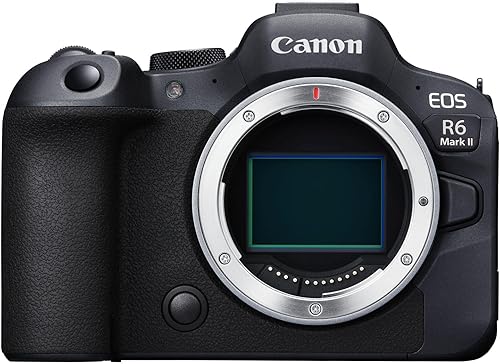
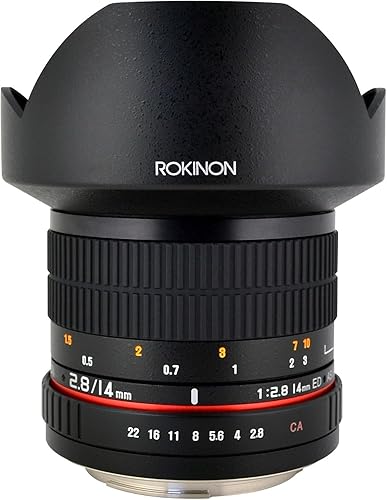
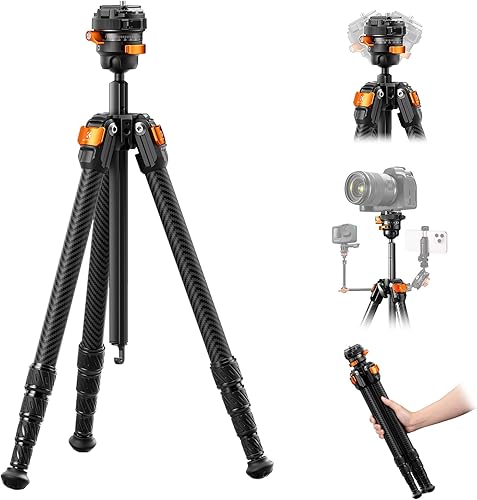
Standard aurora photography settings apply: wide-angle lens in the 14-24mm range at f/2.8 or faster, ISO 1600-3200, exposures of 5-15 seconds depending on activity level. A tripod is essential. Full guidance is at aurora photography settings.
Related pages
New Zealand Aurora Forecast
Live Kp and cloud cover for Lake Tekapo, Fiordland, and Stewart Island.
Aurora Australis vs Aurora Borealis
What is different and what is the same about the northern and southern lights.
Australia Aurora Australis Guide
Tasmania, Victoria, and South Australia - aurora australis from the mainland.
Aurora Photography Settings
ISO, aperture, and shutter speed for aurora photography.
What Is the Kp Index?
Understanding the scale that tells you whether aurora is likely tonight.
Northern Lights Alert
Push notifications for aurora activity at your location.
Common questions
Aurora australis in New Zealand - locations, Kp thresholds, timing, and logistics.
Does New Zealand see aurora australis or aurora borealis?
What Kp level is needed to see aurora australis in New Zealand?
When is the best time to see aurora australis in New Zealand?
Is the Aoraki Mackenzie Dark Sky Reserve really the world's largest?
Do I need to go to Stewart Island or is the South Island enough?
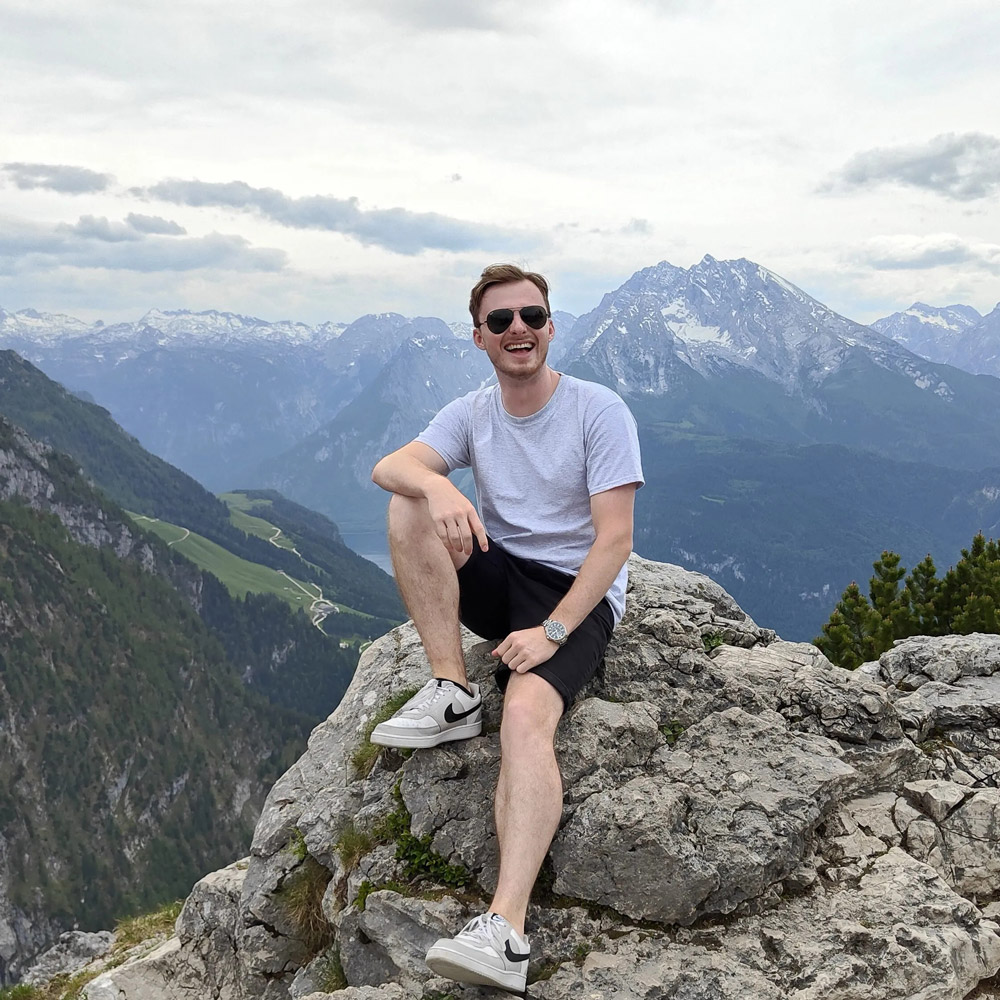
Sean Barraclough
Creator of Aurora Tonight