Aurora australis Strahan tonight
Strahan sits at 53°S magnetic latitude on Tasmania's remote west coast - Bortle Class 1-2 sky, direct Southern Ocean exposure, and a Kp 3-4 threshold. Ocean Beach faces the Roaring Forties 5 km from town. Note: Strahan is remote with limited accommodation - plan ahead. Peak season: May to August, though clear nights can occur any month.
Aurora visibility - Strahan
Unlikely tonight
Kp 1 is well below the Kp 3-4 threshold needed for aurora to be visible from Strahan.
Current Kp
1
of 9
7-day outlook for Strahan
Today
28 May
Tomorrow
29 May
Sat
30 May
Sun
31 May
Mon
1 Jun
Tue
2 Jun
Wed
3 Jun
Based on CME arrival predictions from NASA DONKI. Arrival times ±6 hours.
What Kp is needed here?
Strahan sits at a magnetic latitude of approximately 53°S. The Kp index - a global measure of geomagnetic activity on a scale from 0 (quiet) to 9 (extreme storm), updated every 3 hours - needs to reach Kp 3-4 before the auroral oval expands far enough north to be visible from here.
At Kp 3-4, visibility is possible from Strahan but skies need to be clear and dark. Cloud cover and light pollution remain the main obstacles even when Kp is high enough.
Best dark sky sites near Strahan
Light pollution is the biggest obstacle after cloud cover. These sites give you the best dark southern horizon within reach.
Ocean Beach
Get directions ↗A 33 km stretch of exposed Southern Ocean beach west of Strahan - one of the most direct southern horizon positions accessible by road in Tasmania. The beach faces west-southwest over open ocean with no land between it and the Roaring Forties. At night the sky is dark to the horizon in every direction. Bortle Class 1-2 conditions. The beach is accessible via the Ocean Beach Road from Strahan. The sand is soft and vehicles should stay on the access track. Powerful surf and dangerous rip currents make this a look-don't-enter beach, but aurora australis above the surf line is visible from the car park and dune crest. At Kp 3-4, a green arc or structured aurora may appear above the western and southwestern horizon.
Macquarie Harbour
Get directions ↗The harbour behind Strahan faces south across the sheltered water of Macquarie Harbour, Australia's second-largest natural harbour. The harbour entrance - Hells Gates - opens south toward the open ocean. On calm nights the harbour surface gives aurora reflections when the display is strong enough. The boat ramp and foreshore south of town face south-southwest across dark water. Strahan township generates minimal light - most of it faces north and east, leaving the southern horizon relatively unaffected. Bortle Class 1-2 conditions on the harbour's southern shore. A practical viewing position without leaving town.
Franklin-Gordon Wild Rivers National Park
Get directions ↗The wilderness national park east and south of Strahan. The Lyell Highway passes through the northern edge. River gorges, ancient Huon pine forests, and complete absence of artificial light define this area. Bortle Class 1 conditions across most of the park. Accessible viewpoints along the Lyell Highway give south-facing positions above the treeline. Lake Burbury (40 km east on the Lyell Highway) gives open lake-surface sky with wilderness surrounds. This is genuine wilderness - carry emergency supplies and tell someone your plan. No phone reception in the gorges. The Kp 3-4 threshold combined with Bortle Class 1 sky gives some of the best aurora australis conditions achievable from a road-accessible position in mainland/island Australia.
Best time to see the aurora australis in Strahan
Strahan's aurora australis season runs from April through August, centred on the southern winter when nights are longest and darkest. The equinox months of March and September bring a boost in geomagnetic activity. Summer months bring too much twilight for aurora to show at this latitude.
Activity peaks around the March and September equinoxes, when Earth's magnetic field geometry is most favourable for coupling with the solar wind. These windows produce the strongest aurora australis events of the year for observers at this latitude.
October through February brings persistent twilight that washes out the aurora australis. Strong events during these months remain invisible because the sky never gets dark enough.
Other Australia aurora forecasts
← Australia overviewCompare nearby locations
Up to 4 locations
How often does aurora appear in Strahan?
Average nights per month when Kp reaches 3+ - based on 15 years of data
Best month
March
Average aurora nights per year
135
Kp threshold
3+
Based on 15 years of geomagnetic data (2010-2024). Shows nights when Kp reached 3+ at any point in the day - cloud cover and local darkness not included. Months with no astronomical darkness show zero.
Kp data: GFZ German Research Centre for Geosciences, CC BY 4.0
Plan your trip to Strahan
Based on 15 years of geomagnetic data
March
13.6
avg aurora nights
Stay 3+ nights for 80% chance
September
13.2
avg aurora nights
Stay 3+ nights for 80% chance
October
12.8
avg aurora nights
Stay 4+ nights for 80% chance
Best window
The August to October window averages 38 aurora nights - the strongest consecutive stretch of the year.
How long to stay
For your best chance in March, plan at least 3 nights.
Aurora activity peaks at the March and September equinoxes in both hemispheres. This is driven by the angle of Earth's magnetic field relative to the solar wind, not by local seasons. Winter months at this latitude offer longer dark nights for observing, but March and September average the highest number of aurora nights in the historical data.
Related pages
Aurora Australis Australia
Australia aurora hub with current Kp status.
Aurora Australis Cradle Mountain
Cradle Mountain - Dove Lake, Bortle Class 1-2, Kp 5.
Aurora Australis Tasmania
Tasmania overview - Australia's premier aurora destination.
Aurora Australis in Australia
Complete guide to aurora australis in Australia - where, when, and what Kp.
What Is the Kp Index?
How Kp 3-4 translates to aurora visibility at 53°S magnetic.
Aurora photographs from Strahan
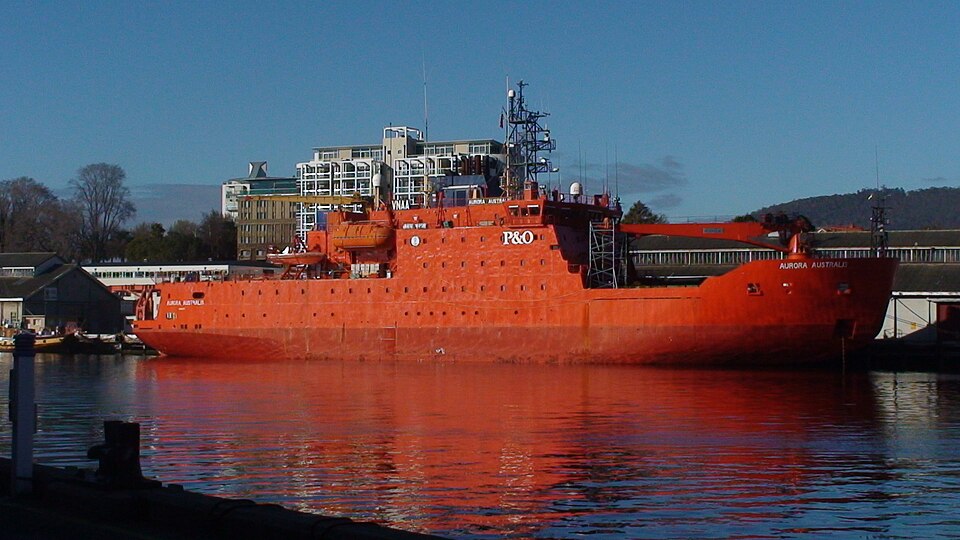
Aurora australis over Strahan

Aurora australis over Strahan
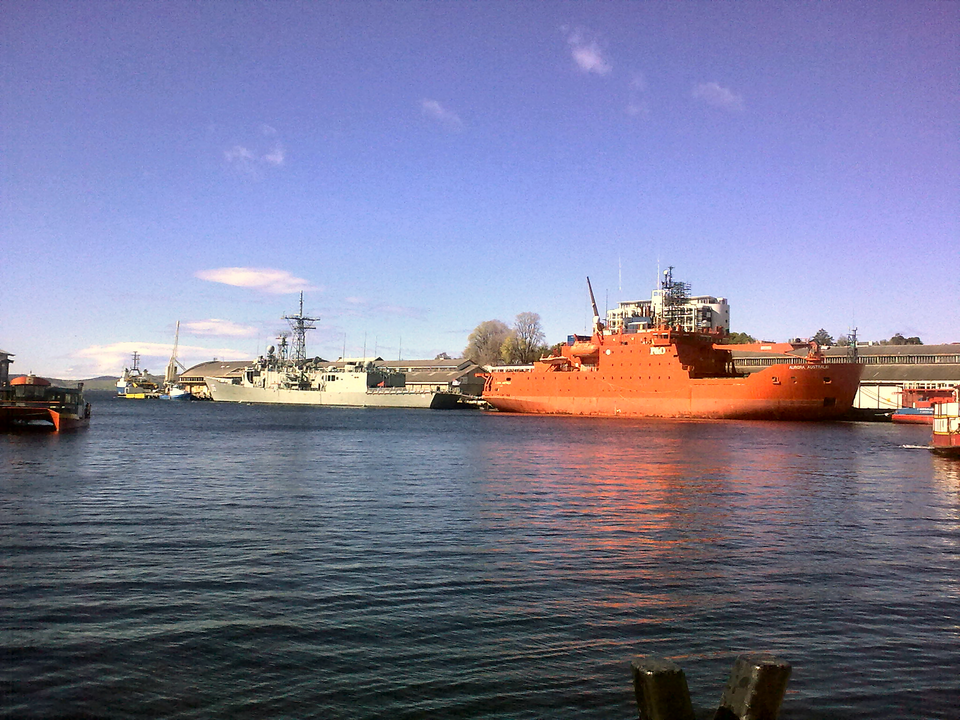
Aurora australis over Strahan
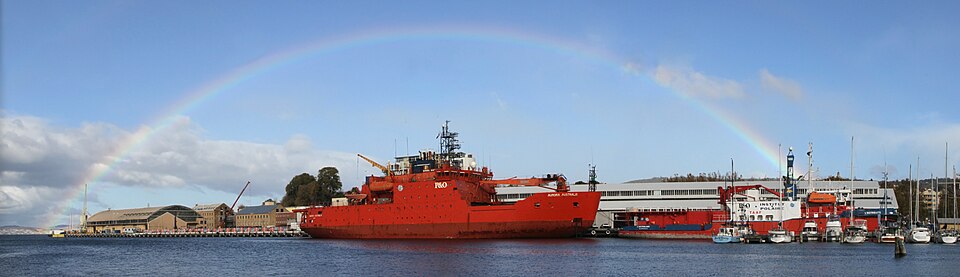
Aurora australis over Strahan
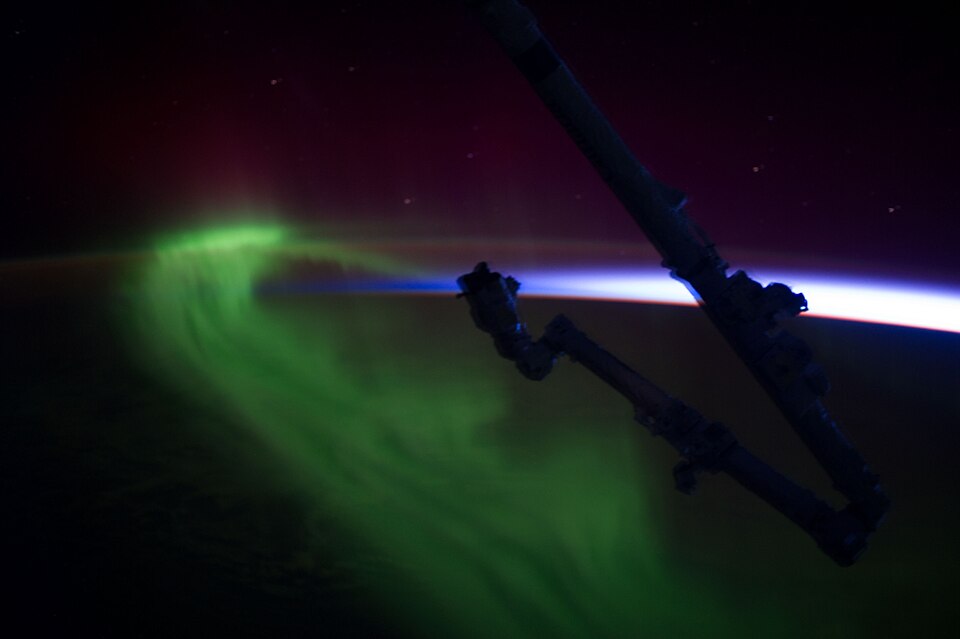
Aurora australis over Strahan
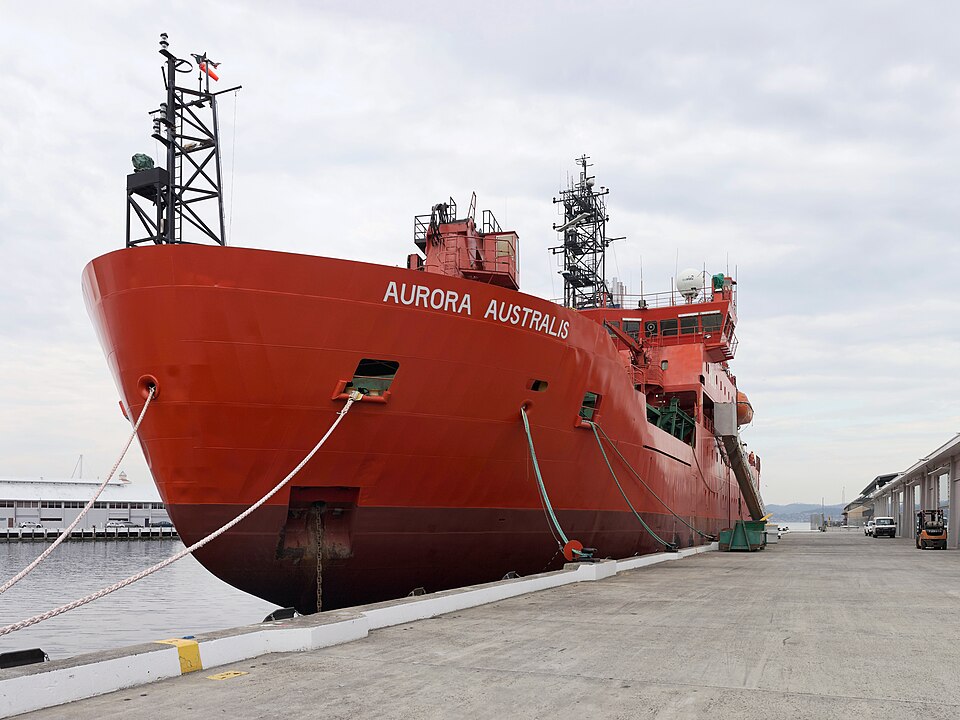
Aurora australis over Strahan
Common questions
Aurora australis from Strahan - Ocean Beach, Macquarie Harbour, and west coast practicalities.